Boundary Condition
2021
And you know, once you've been to the other side of the mountain, even if you return, things will never be the same again.
Relocation implies coming to terms with a new, usually foreign place. This raises the question: what is place? It seems trivial, but is not easy to answer.1 Place is more than a geographical area, a coordinate on a map, or a building you can point to.
The nature of a place is closely related to attitudes: ways of perceiving, thinking, and acting.2 This implies that a place, and certainly the built environment, can be read as a type of cultural image.3 Places facilitate and reflect the patterns of personal, social, and political life.
Another characteristic of place is the presence of a boundary that delineates an inside and an outside. What is within can be given a name like 'home' and inscribed with meaning.4 The significant part that boundaries play in the experience of places is illustrated by the frequent references to 'here' and 'there' when reasoning about them.
It seems entirely rational to expect to be either in a place or outside it. But what if inside and outside, here and there, are not quite that distinct? What if the here is experienced as part of the there?
Homi Bhabha explores this sense of disquiet in a literary context.5 He describes it as "the shock of recognition of the world-in-the-home, the home-in-the-world", and characterises it as a "displacement [where] the border between home and world becomes confused; and uncannily, the private and the public become part of each other".
As a non-British resident of the United Kingdom, I recognise the ambivalence between the home and the world, the known and the unknown, the here and the there. My personal familial space is not entirely my own. Paradoxically, despite it being familiar, it remains foreign. Somehow, there is crossover between inside and outside and what is private seeps into what is public, and vice versa.
Besides differentiating inside and outside, boundaries also articulate the 'transparent' spaces around them and generate a field of influence on these.6 I am interested in how this manifests itself in the experience of my environment.
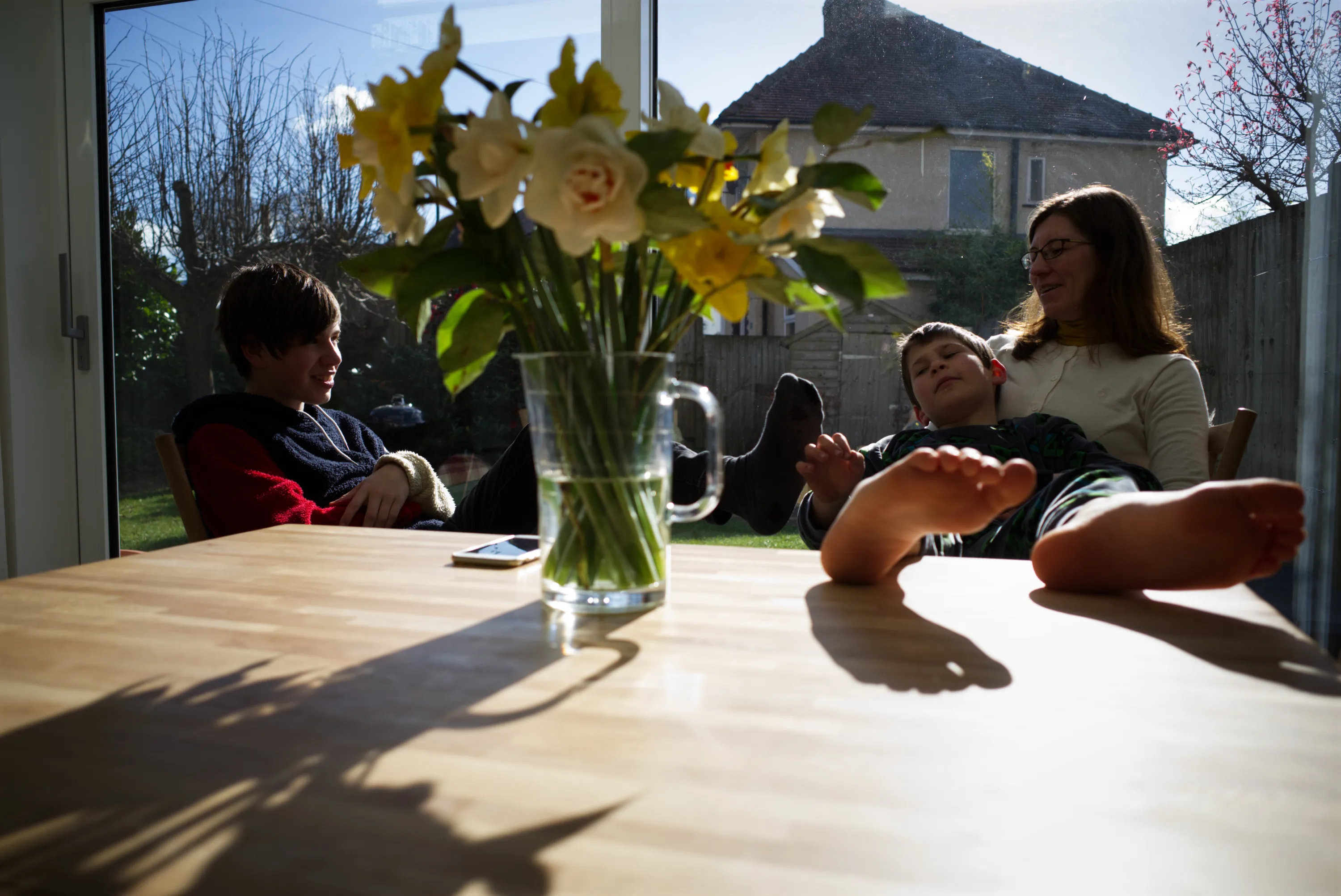
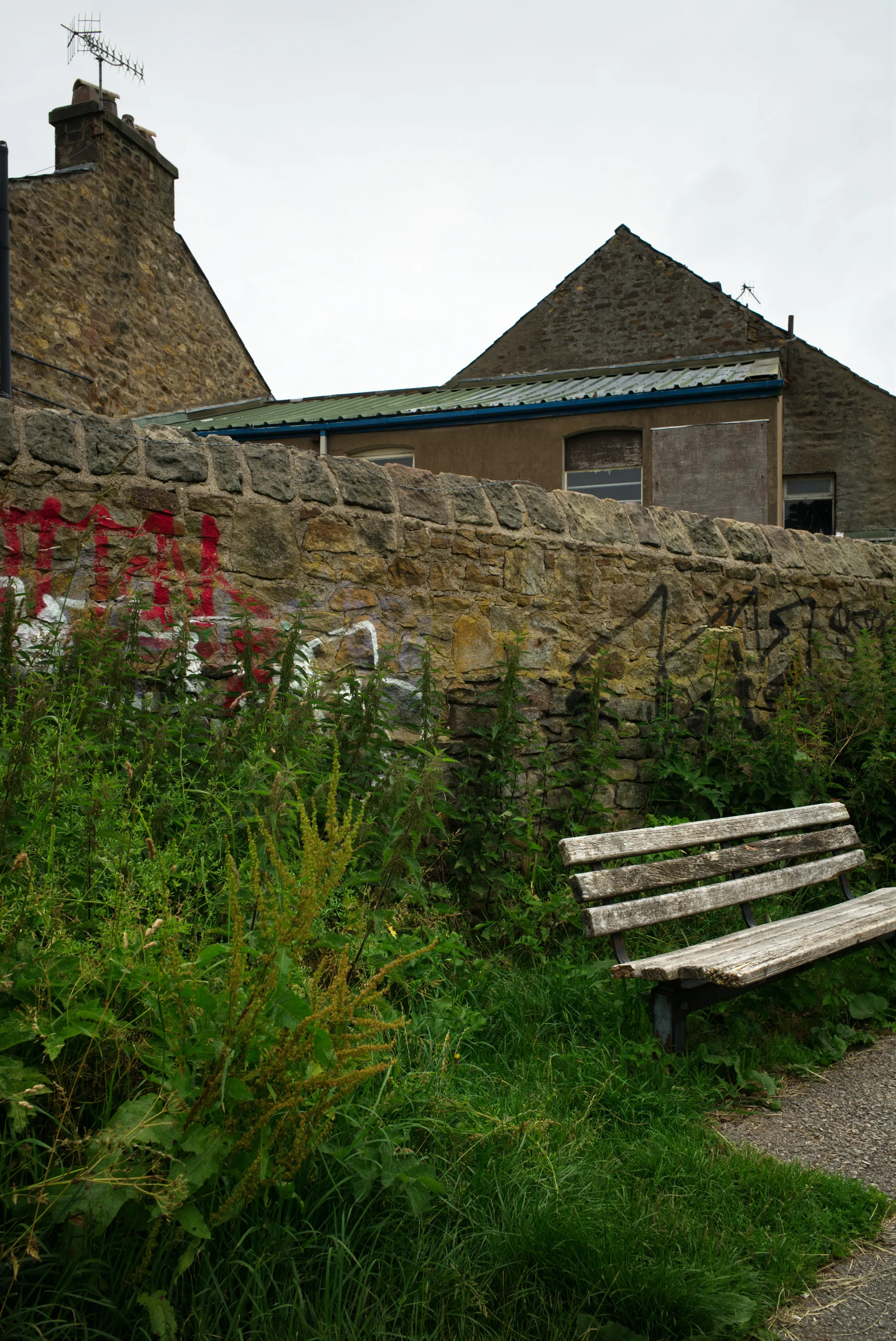
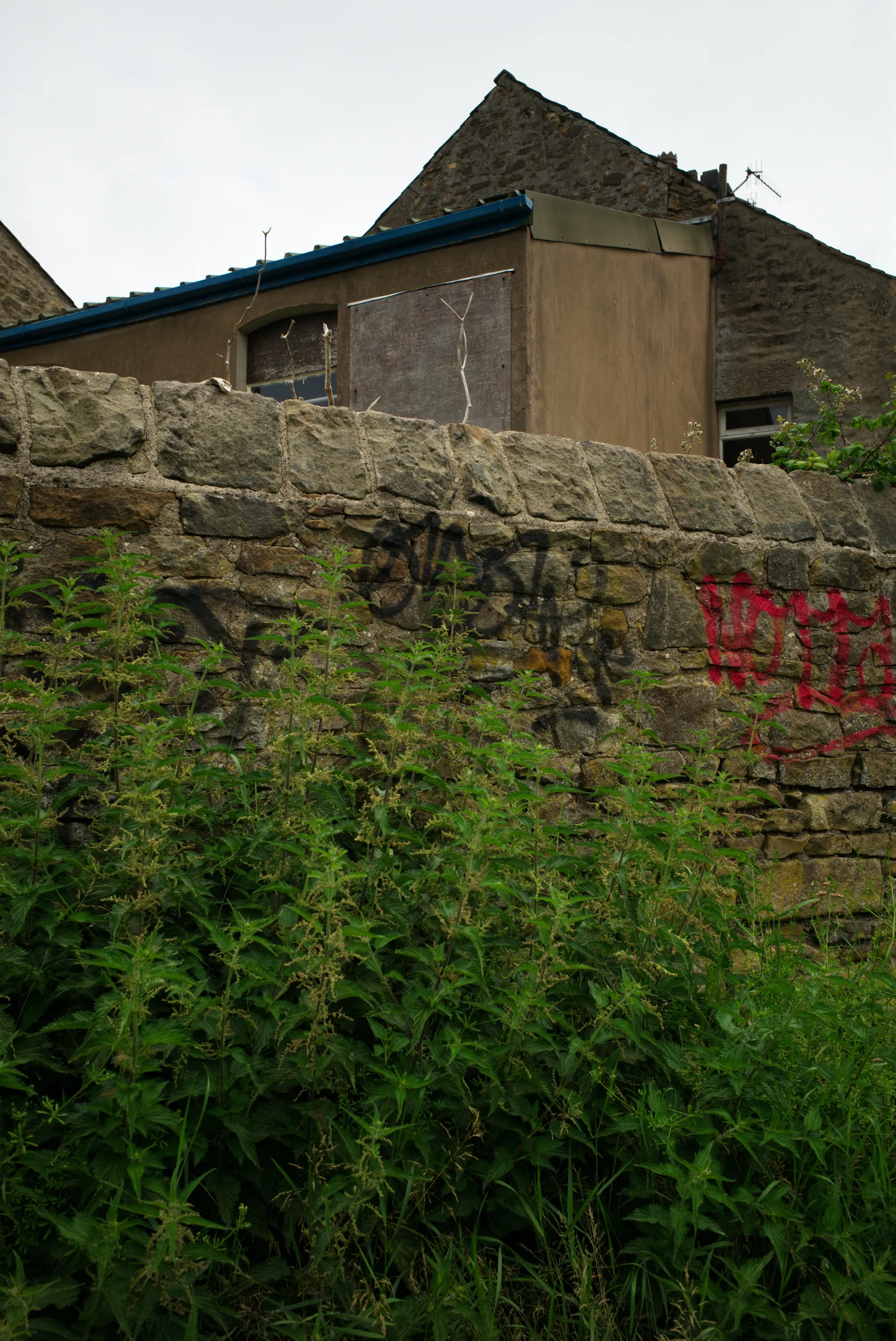
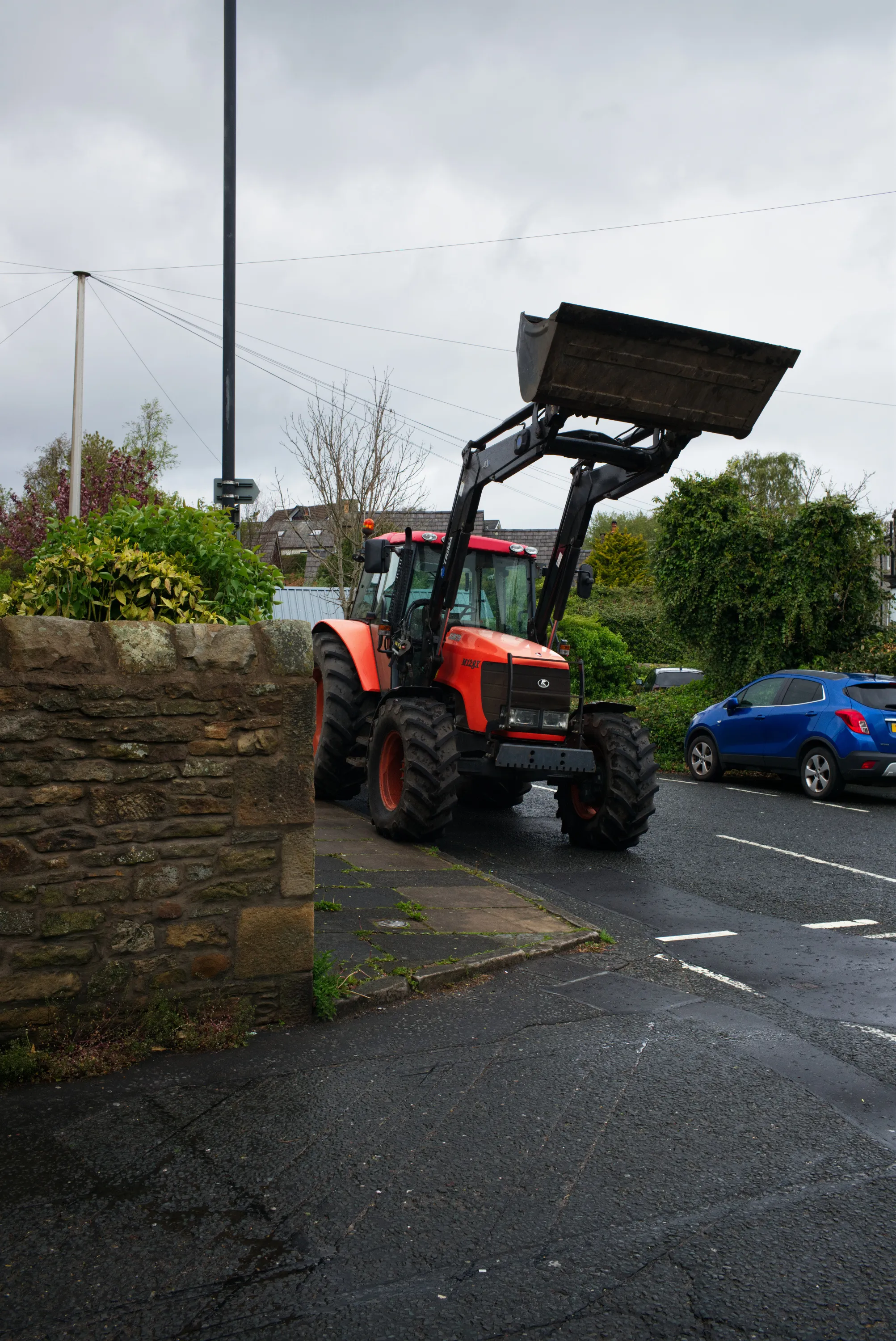
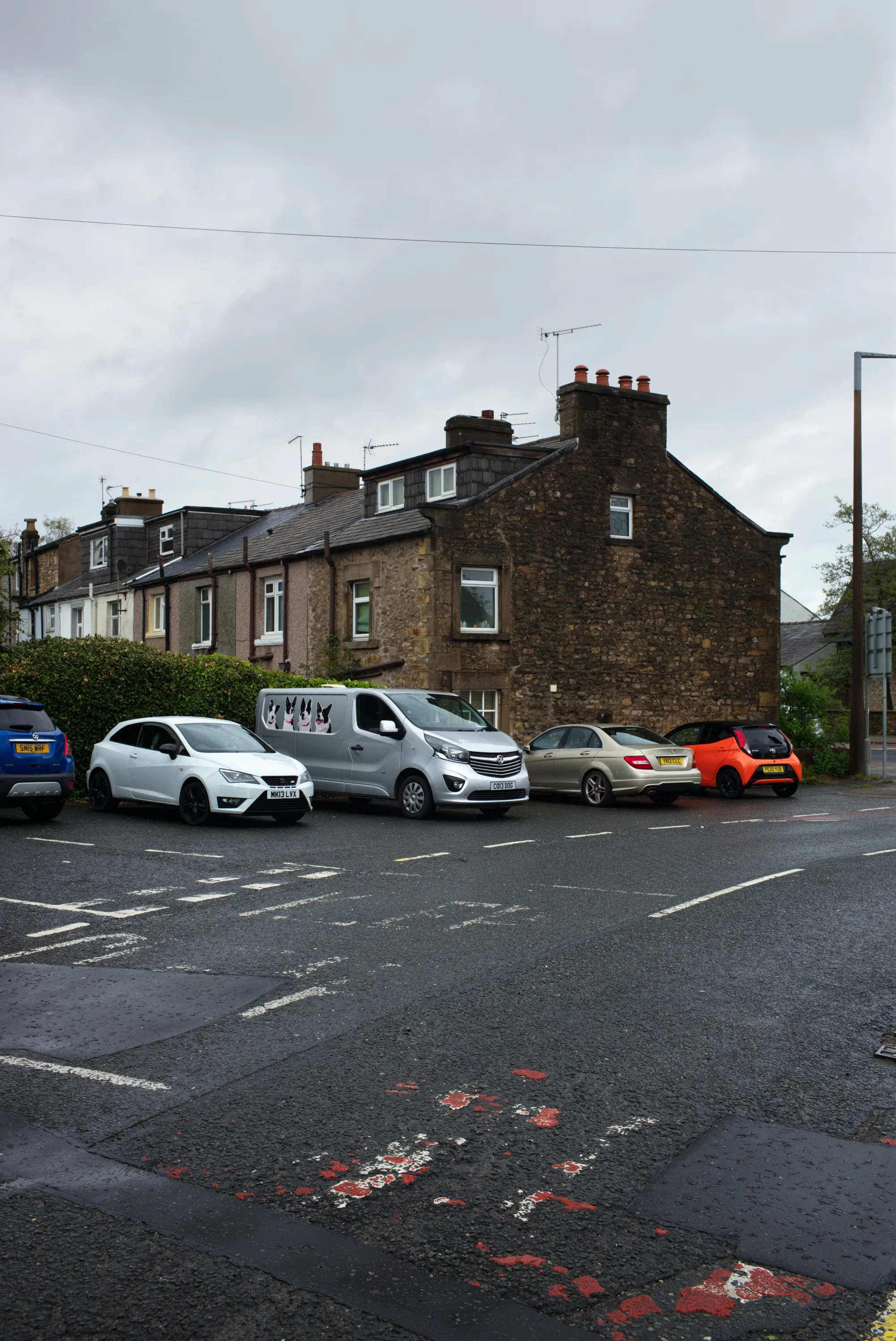
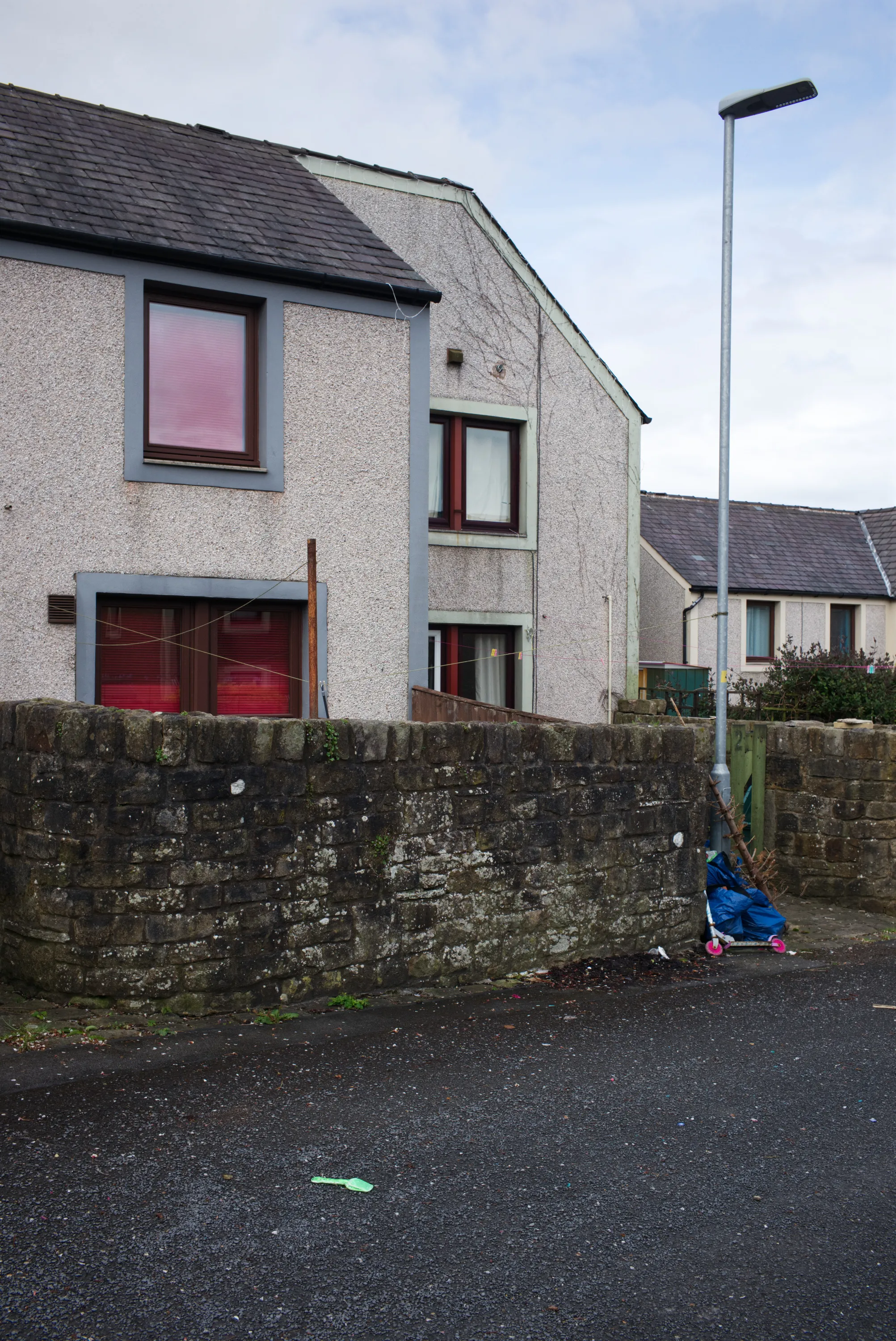
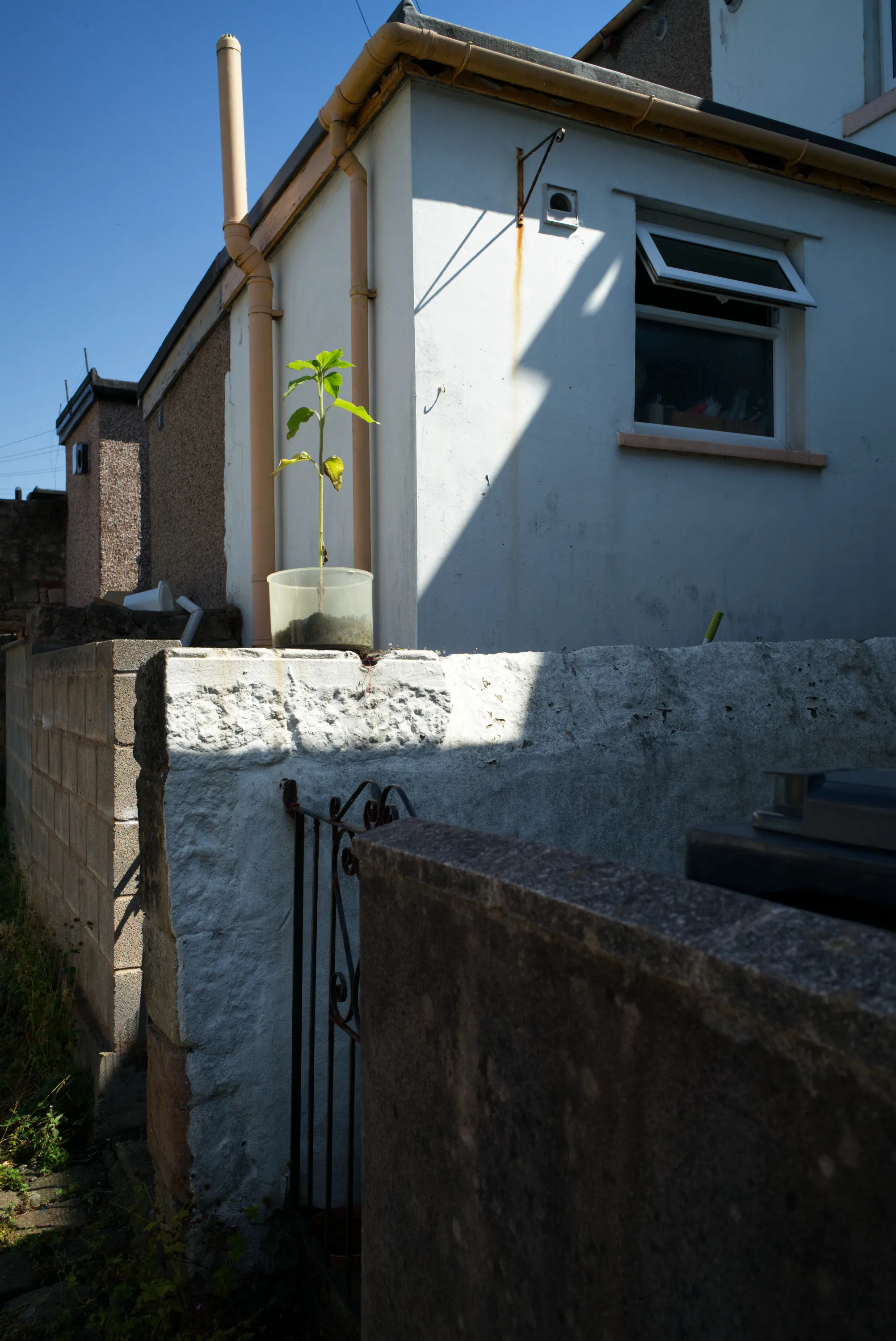
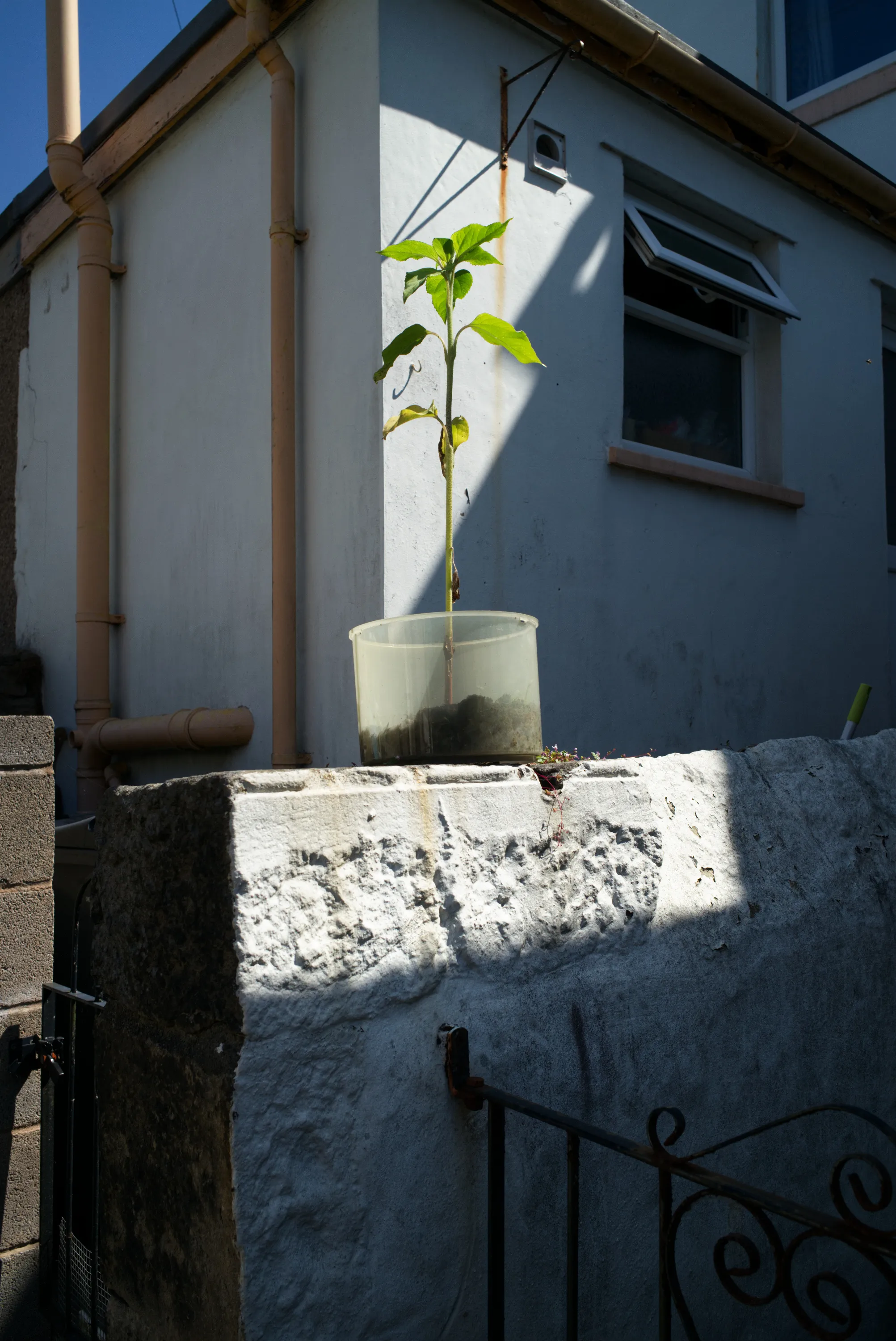
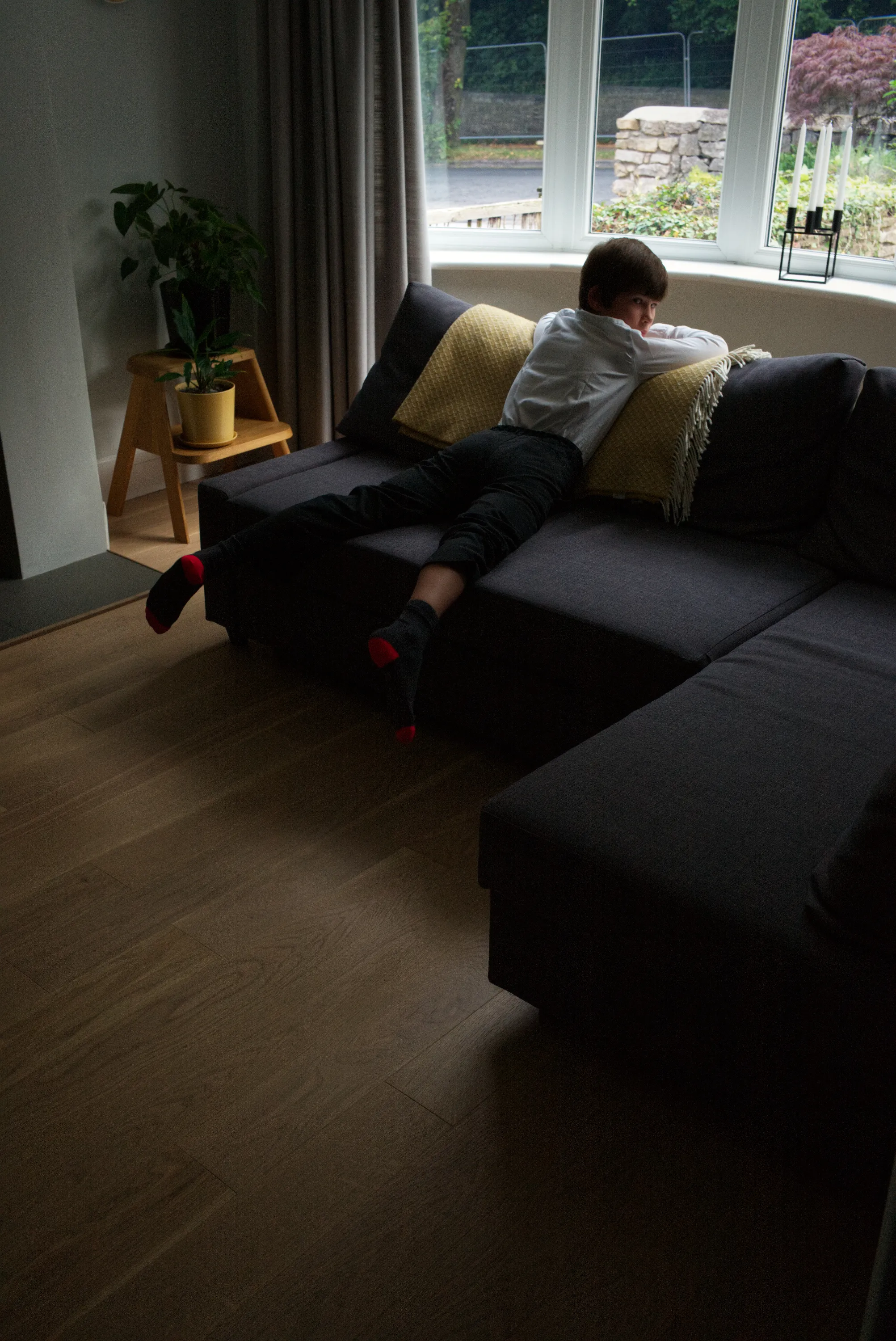
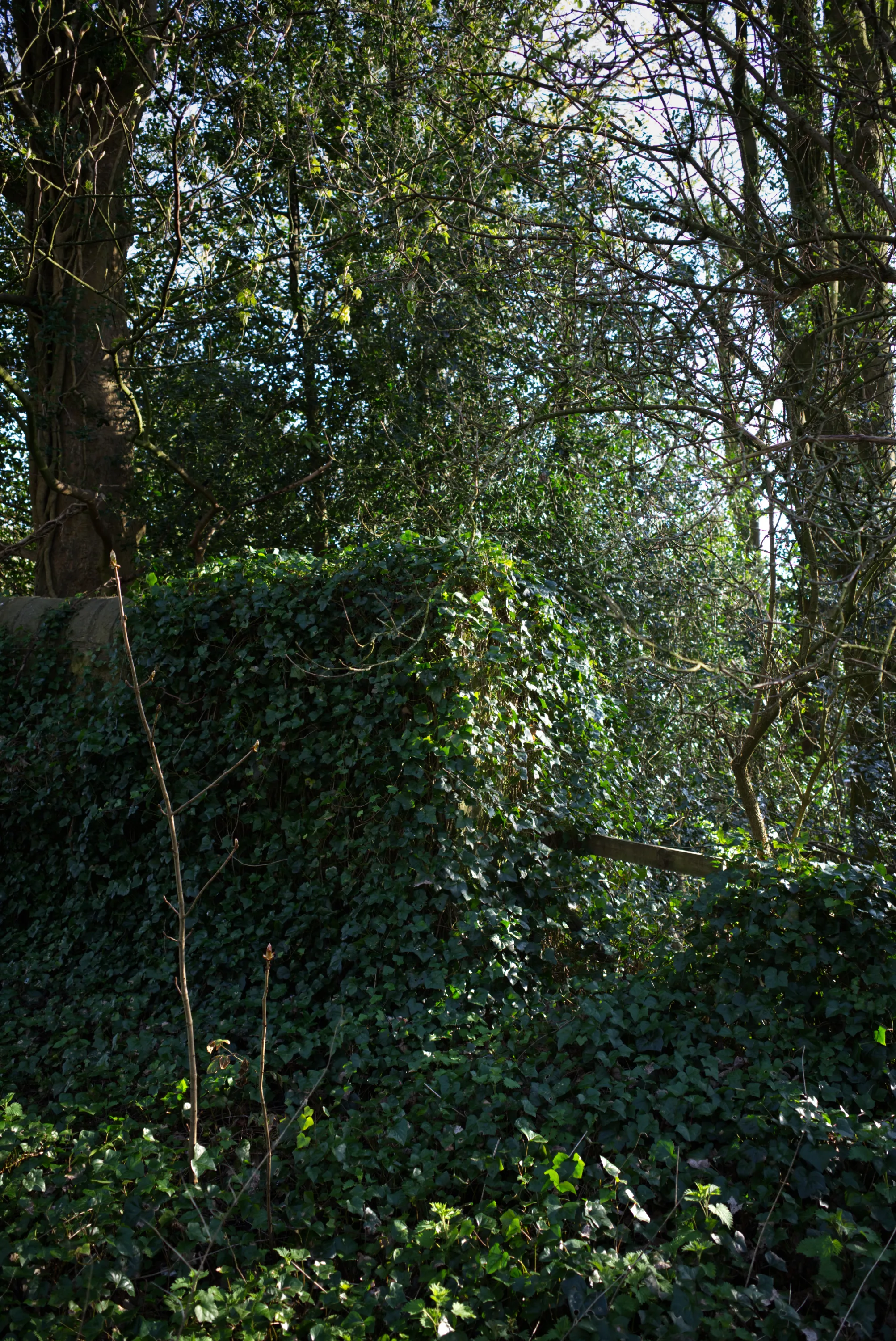
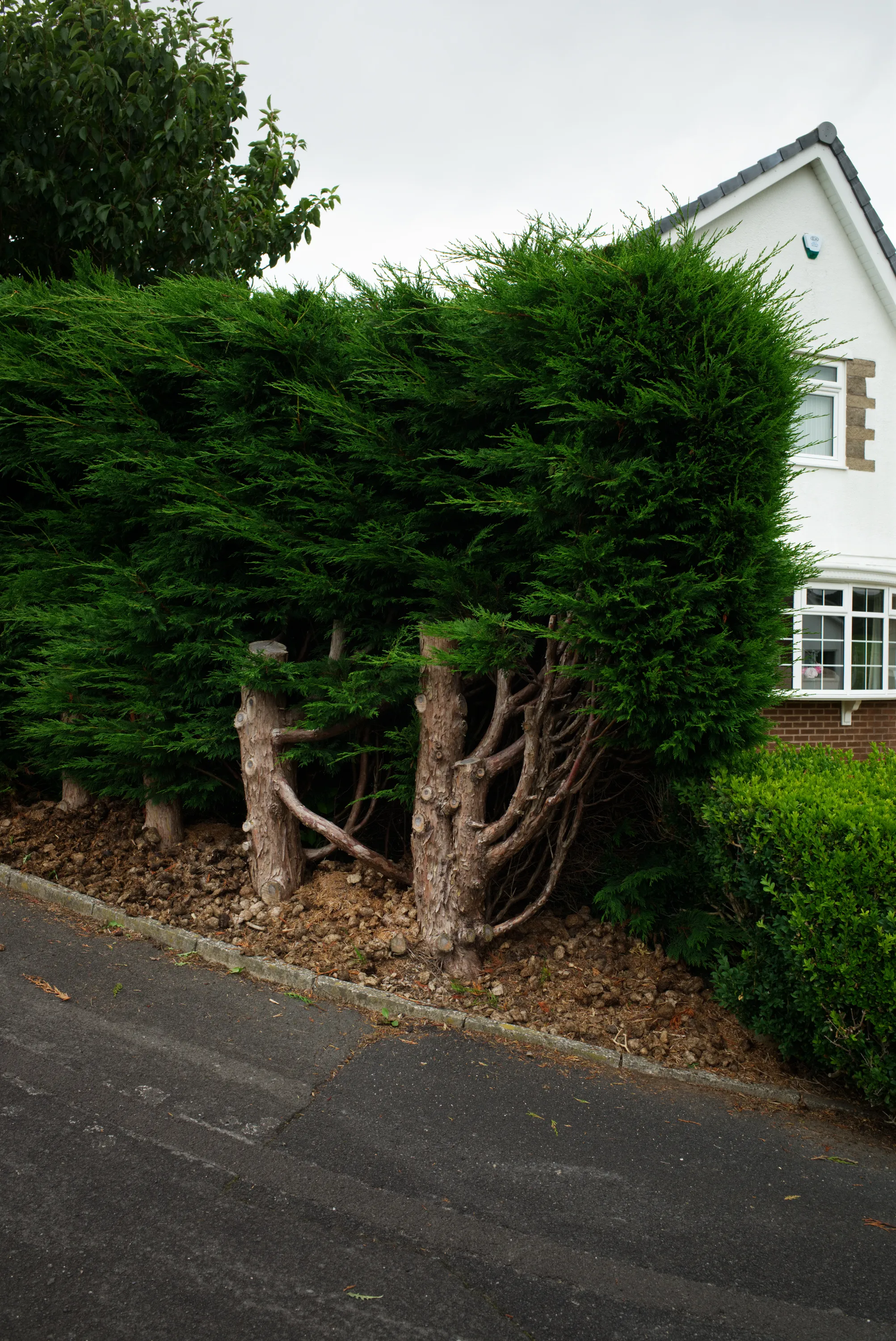
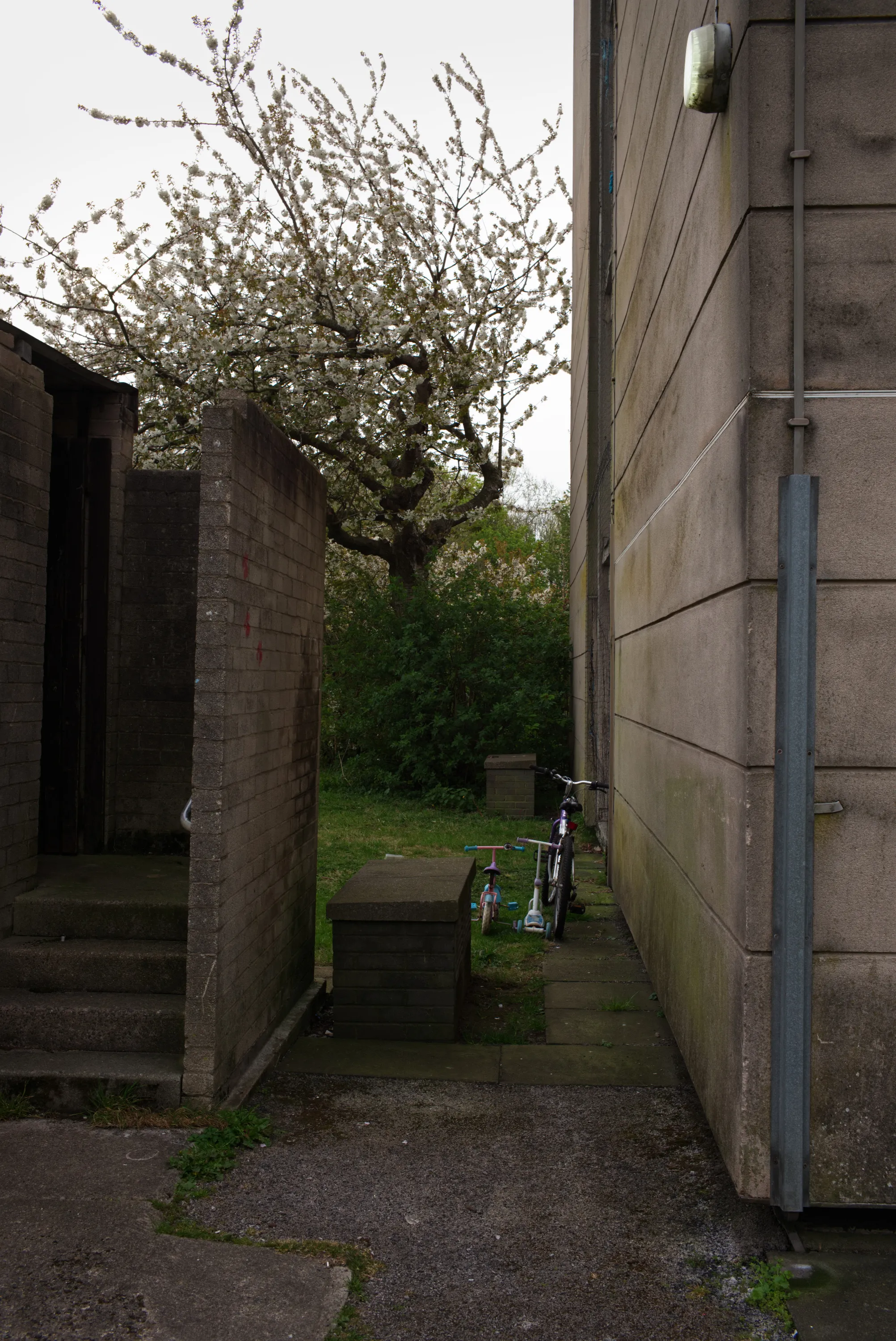
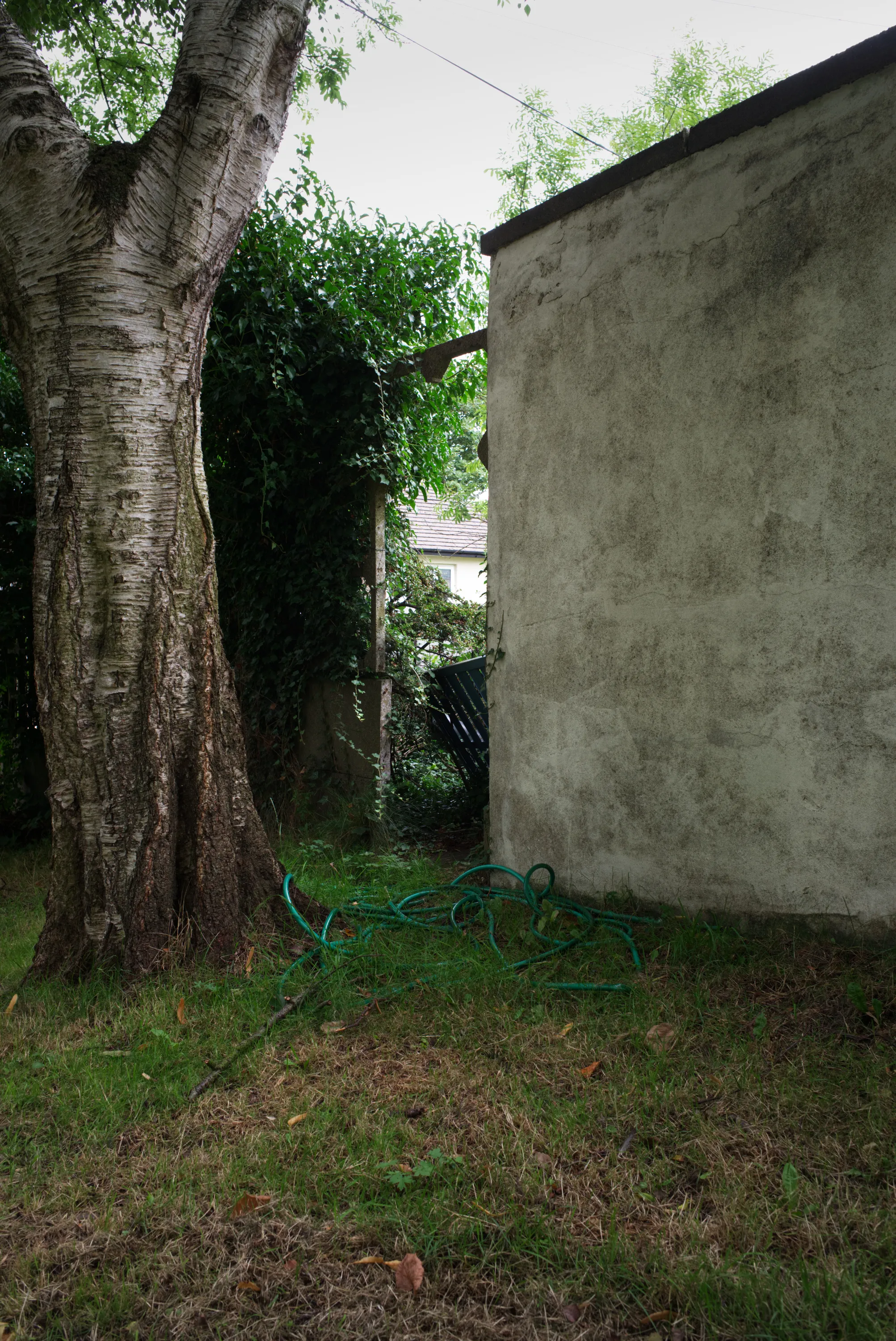
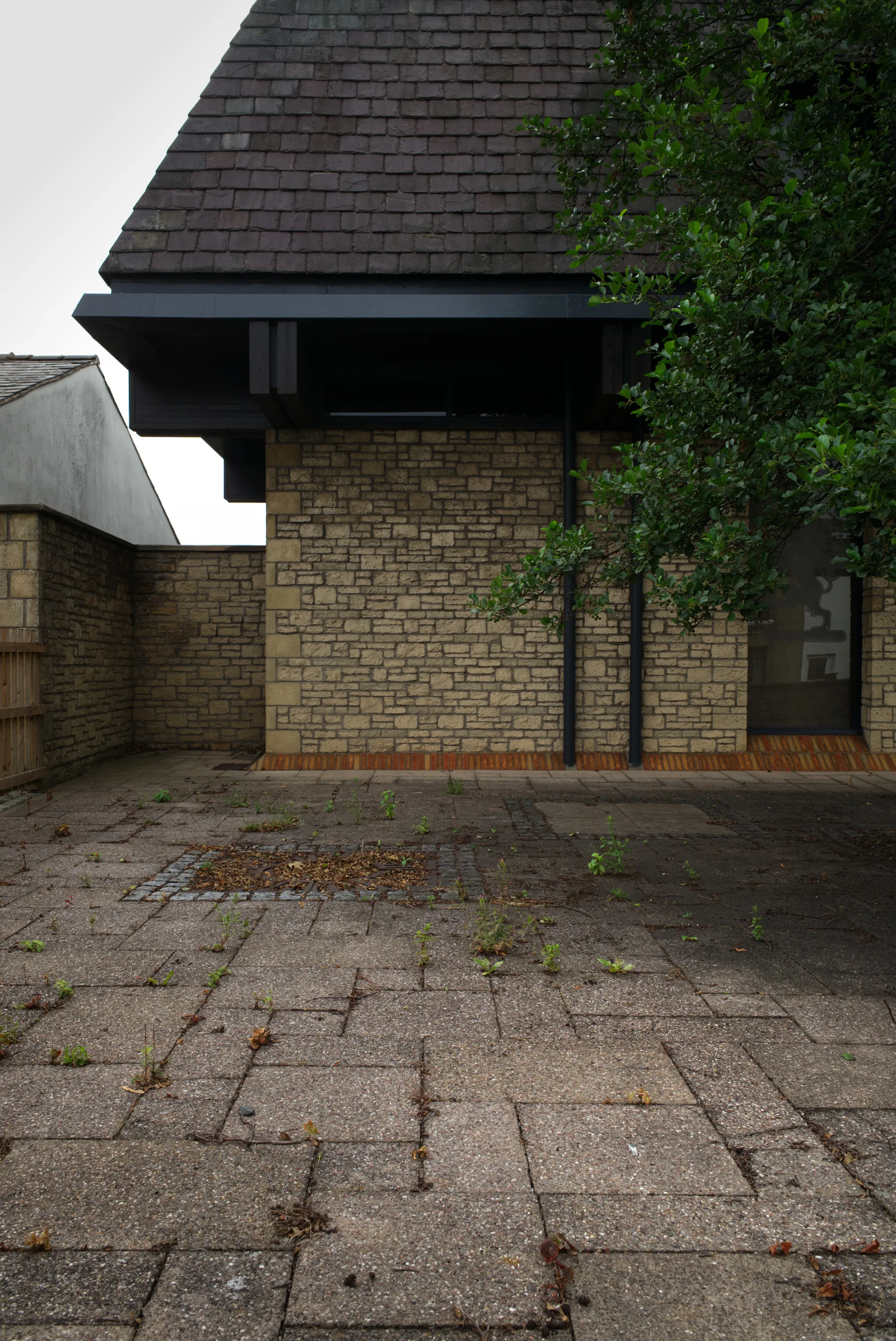
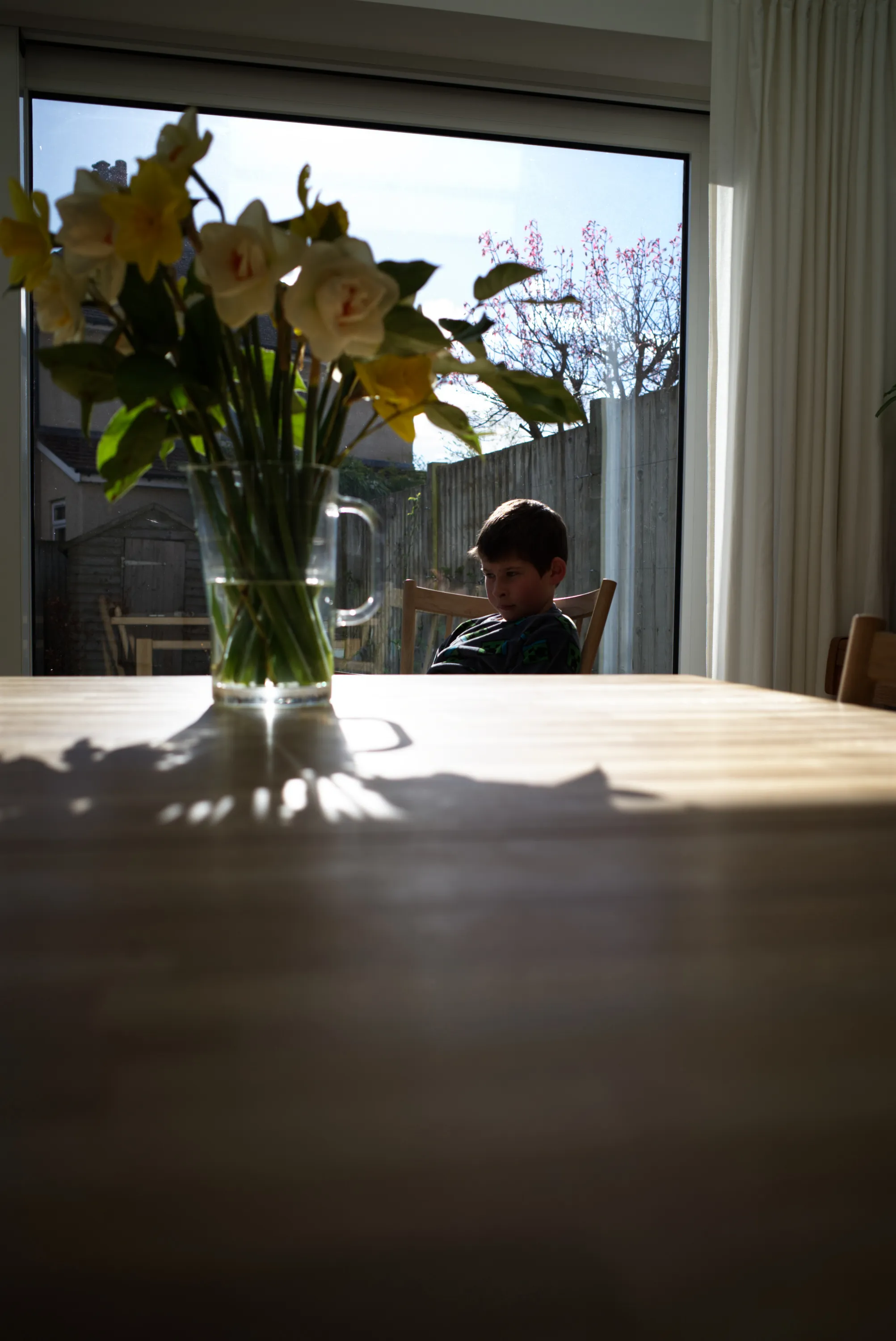
I recognise boundaries as significant because they interact with both my private sphere and with public space, and influence my attitude toward these: how I perceive, reason, and behave. Consequently, the photographs in this series show fragments from my private family life and, significantly, they show many boundaries in my environment.
With this work, I acknowledge a preoccupation with questions such as: how do places shape attitudes? How do attitudes influence the creation and perception of places? And what do places say about ambitions, fears, and preoccupations of individuals and collectively, as embodied in cultural patterns, social structures, and political tendencies?
Migrants are not alone in perceiving tension between the private and the public. In fact, a growing sense of insecurity is attributed to the amalgamation of the local and the global.7 In view of this, although I have approached my work from the perspective of personal experience, I argue that my emphasis on boundaries as cultural and social signifiers also has wider significance.


References
- Cresswell, T., Place: an Introduction. Second edition. John Wiley & Sons, 2015.
- De Young, R., 'Environment psychology overview'. In Organizations: Driving Change with IO Psychology. Routledge, 2013.
- Tuan, Y-F., Space and Place: the Perspective of Experience. Reprint. University of Minnesota Press, 2018.
- Relph, E., Place and Placelessness. Reprint. Sage Publications, 2016.
- Bhabha, H., 'The world and the home'. In Social Text, no. 31/32, Third World and Post Colonial Issues. Duke University Press, 1992.
- Ching, F.D.K., Architecture: Form, Space, and Order. Fourth edition. John Wiley & Sons, 2014.
- Bauman, Z., Liquid Modernity. Polity, 2000.