Intervention and Renewal
2024
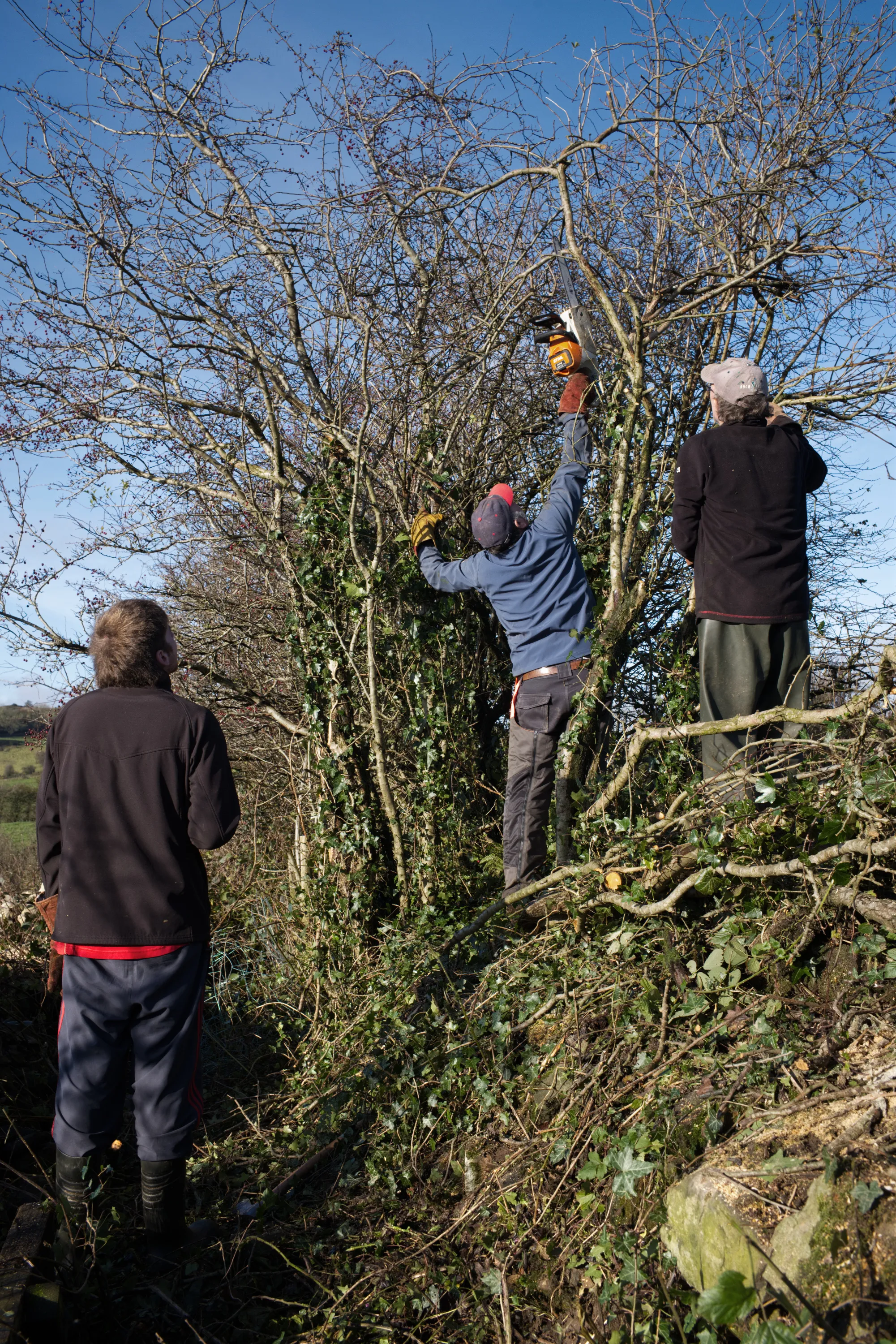
It is impossible to imagine a society where humans do not alter their environment. The question is therefore not whether to intervene, but how and to what extent? In Getting Along with Nature, Wendell Berry writes that if humans "choose to make too great a difference, they diminish nature, and narrow their subsequent choices; ultimately, they diminish or destroy themselves".
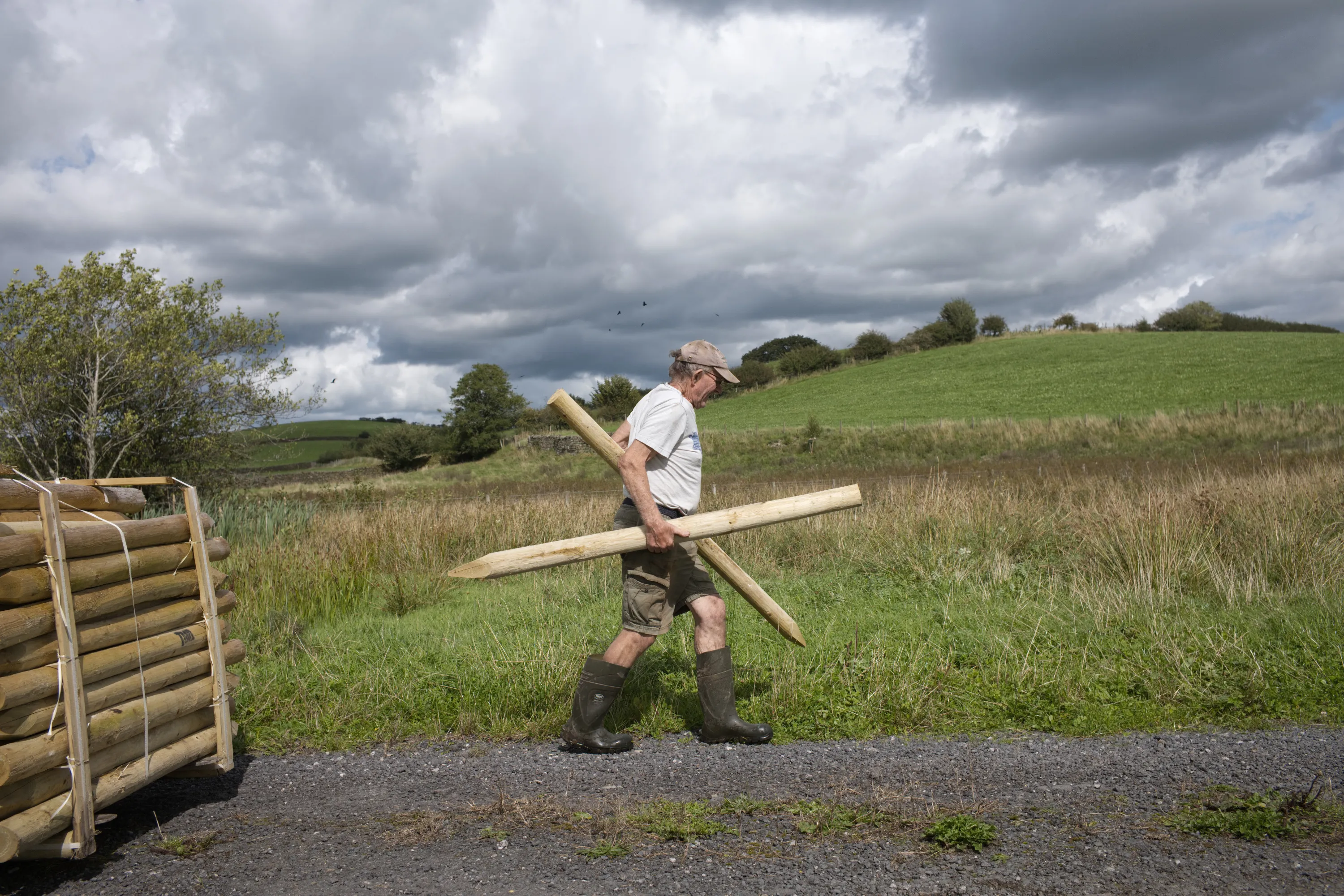
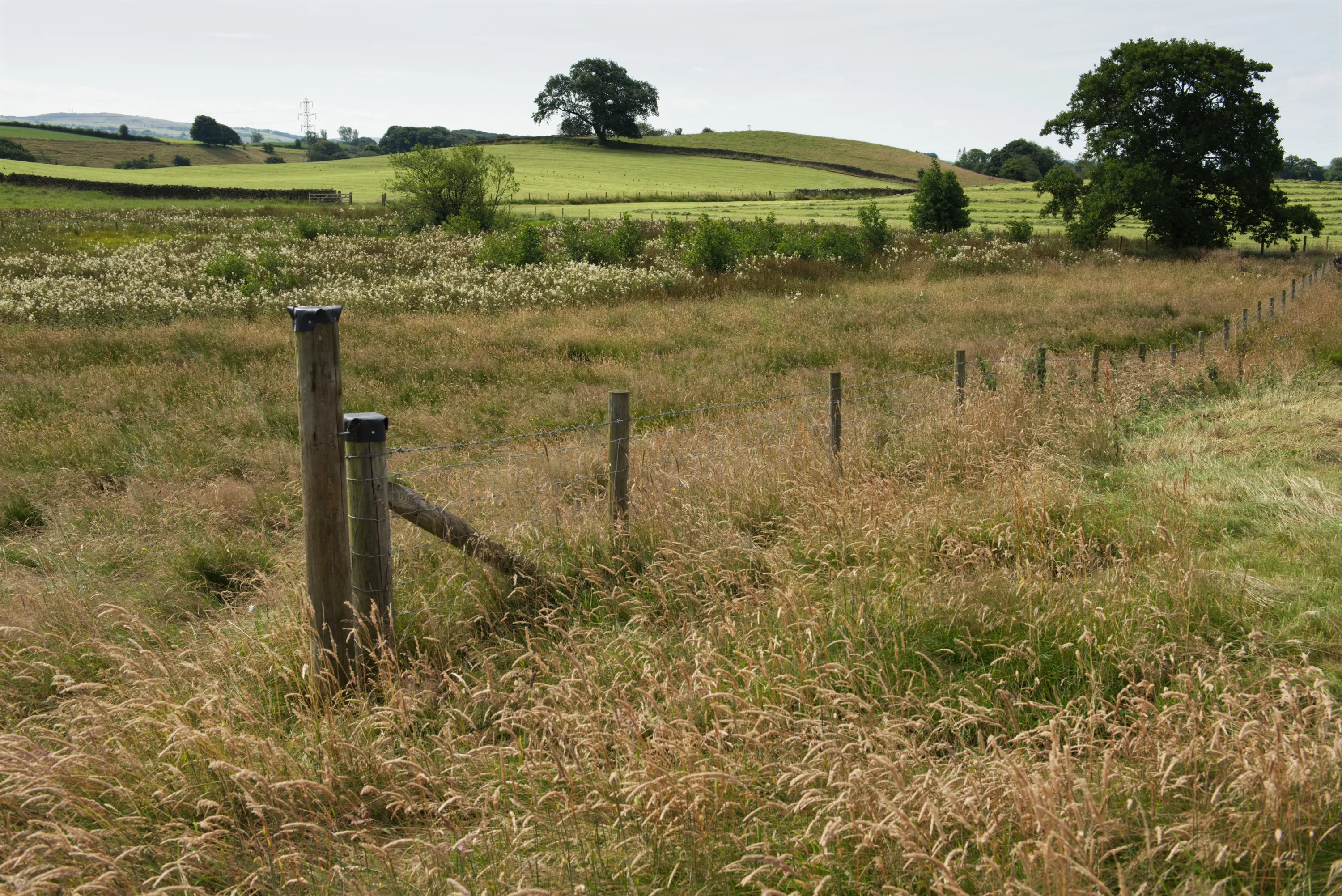
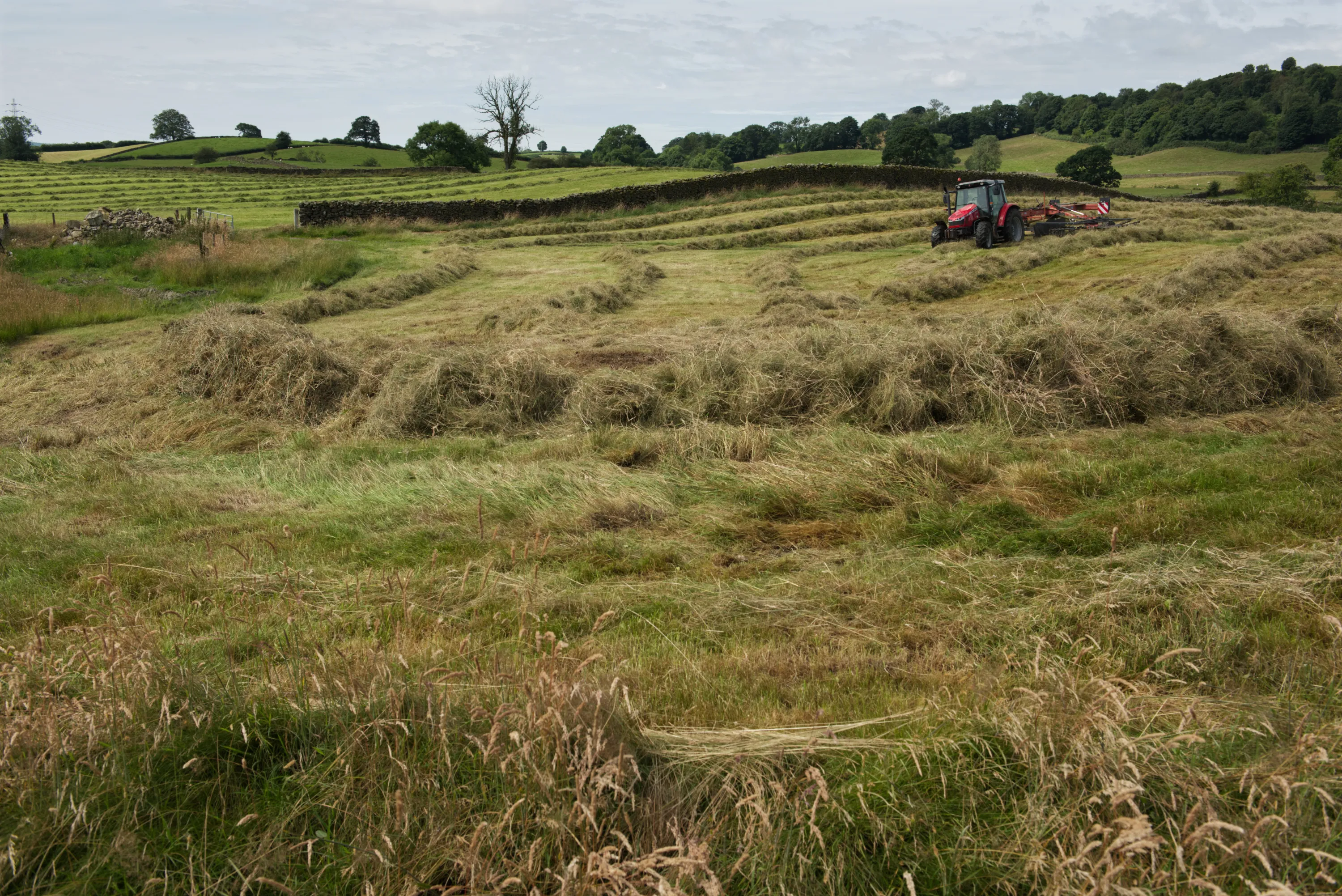
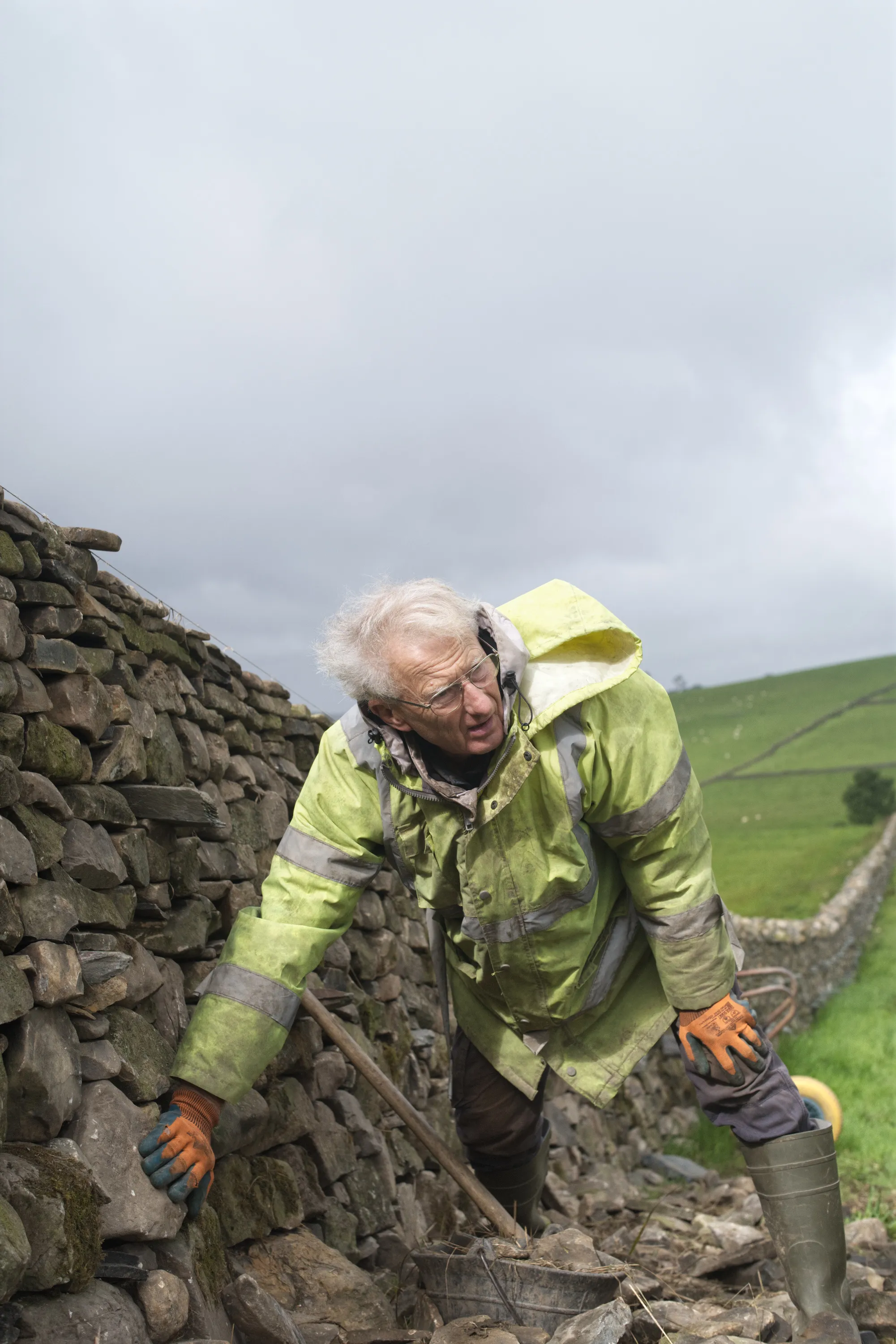
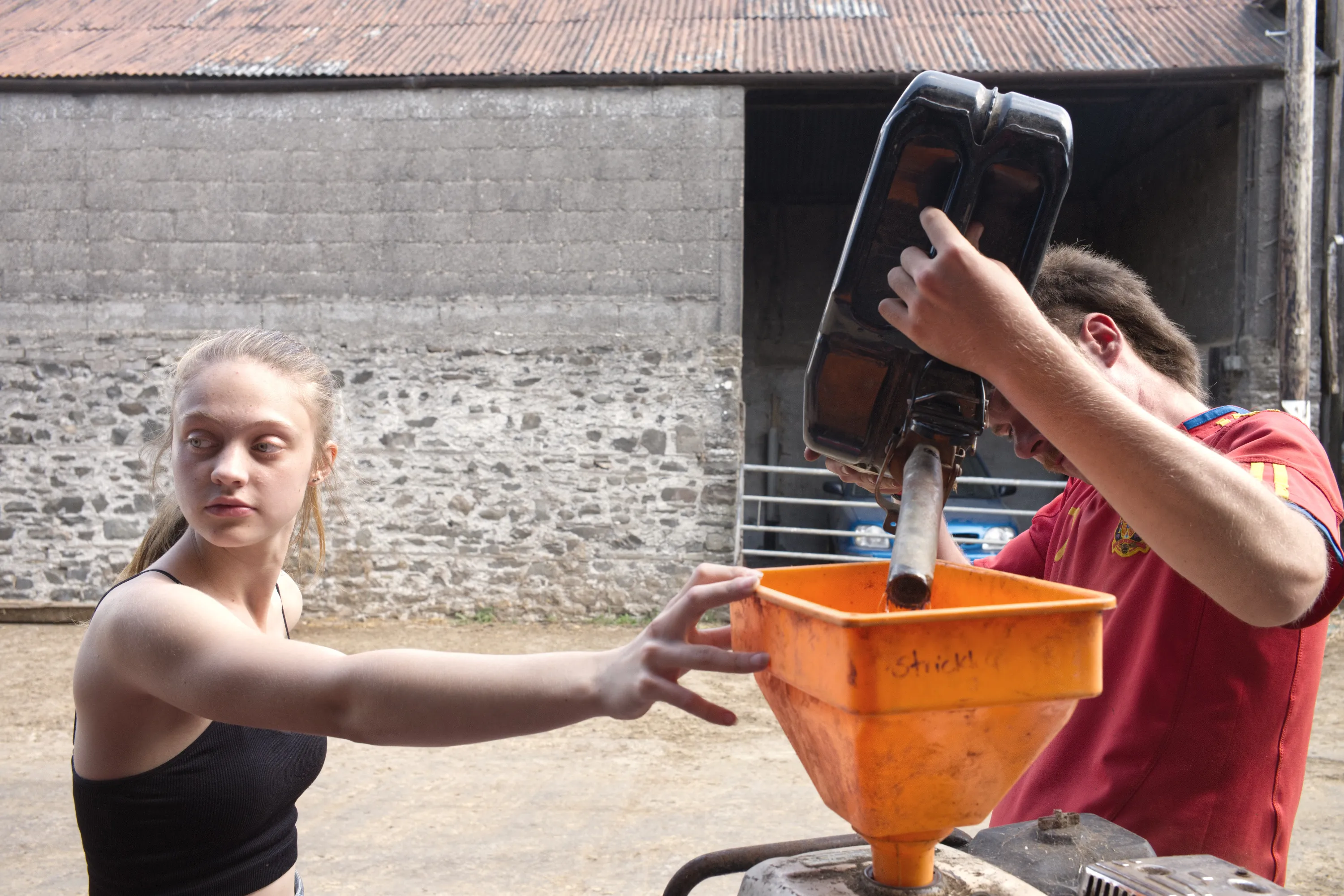
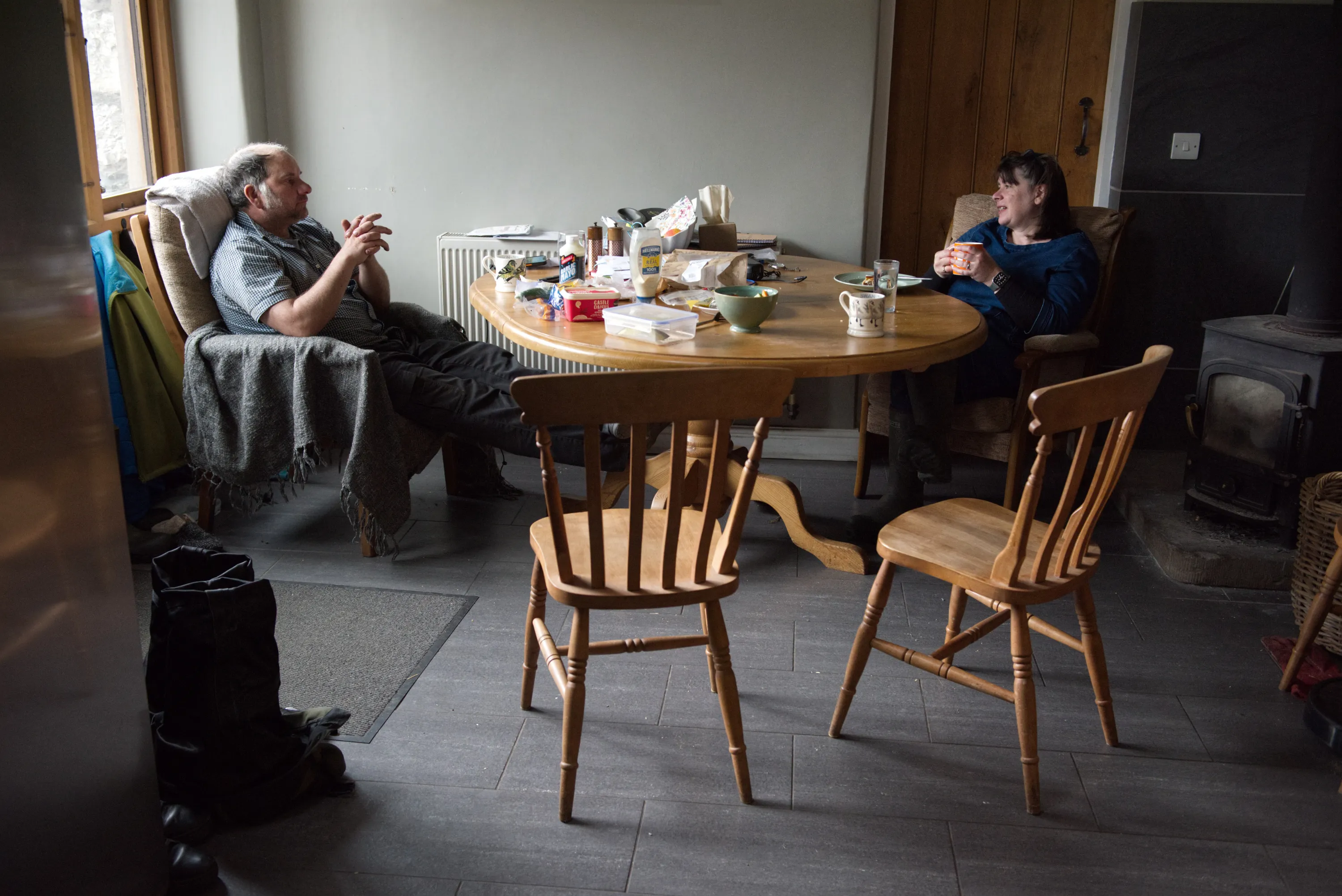
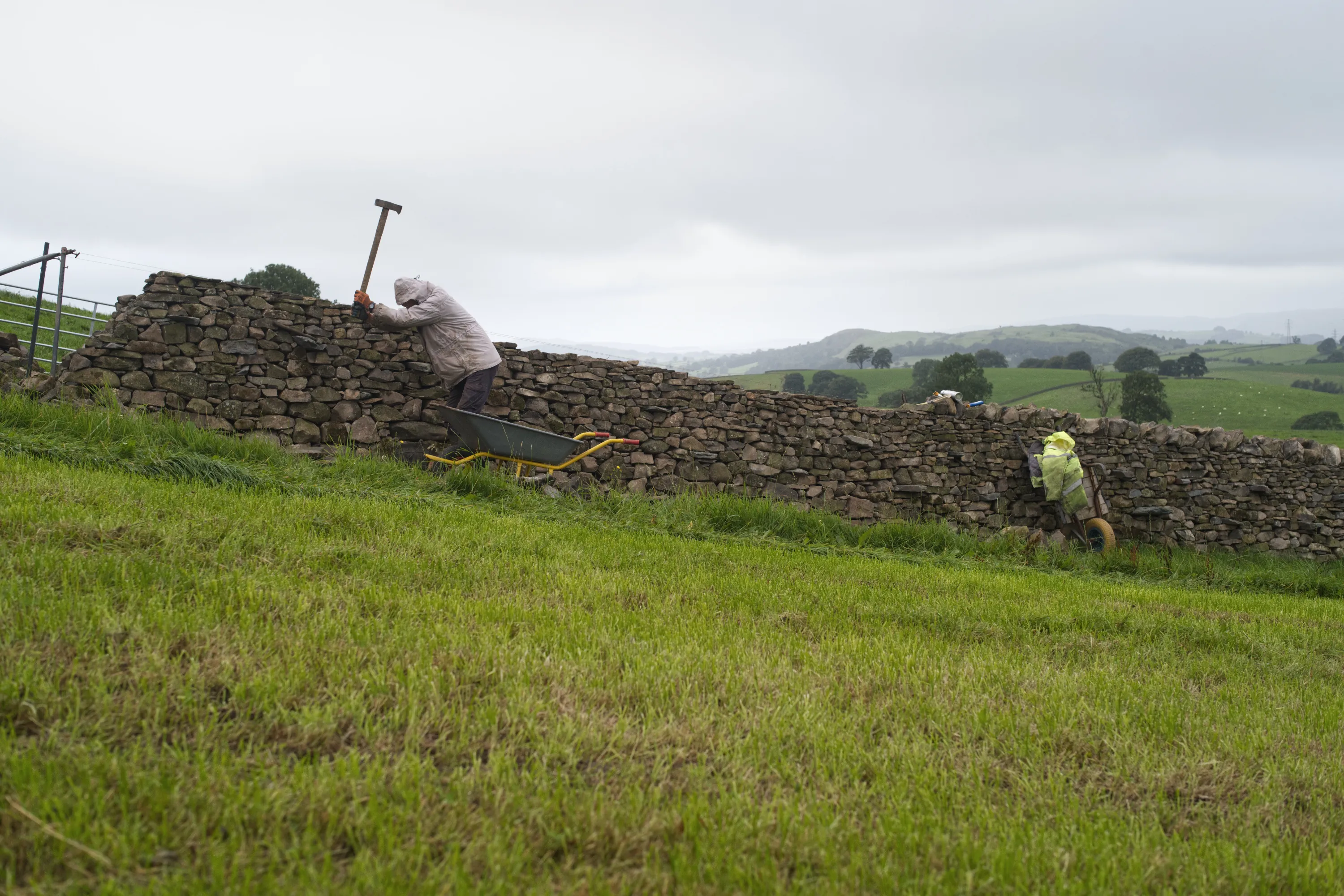
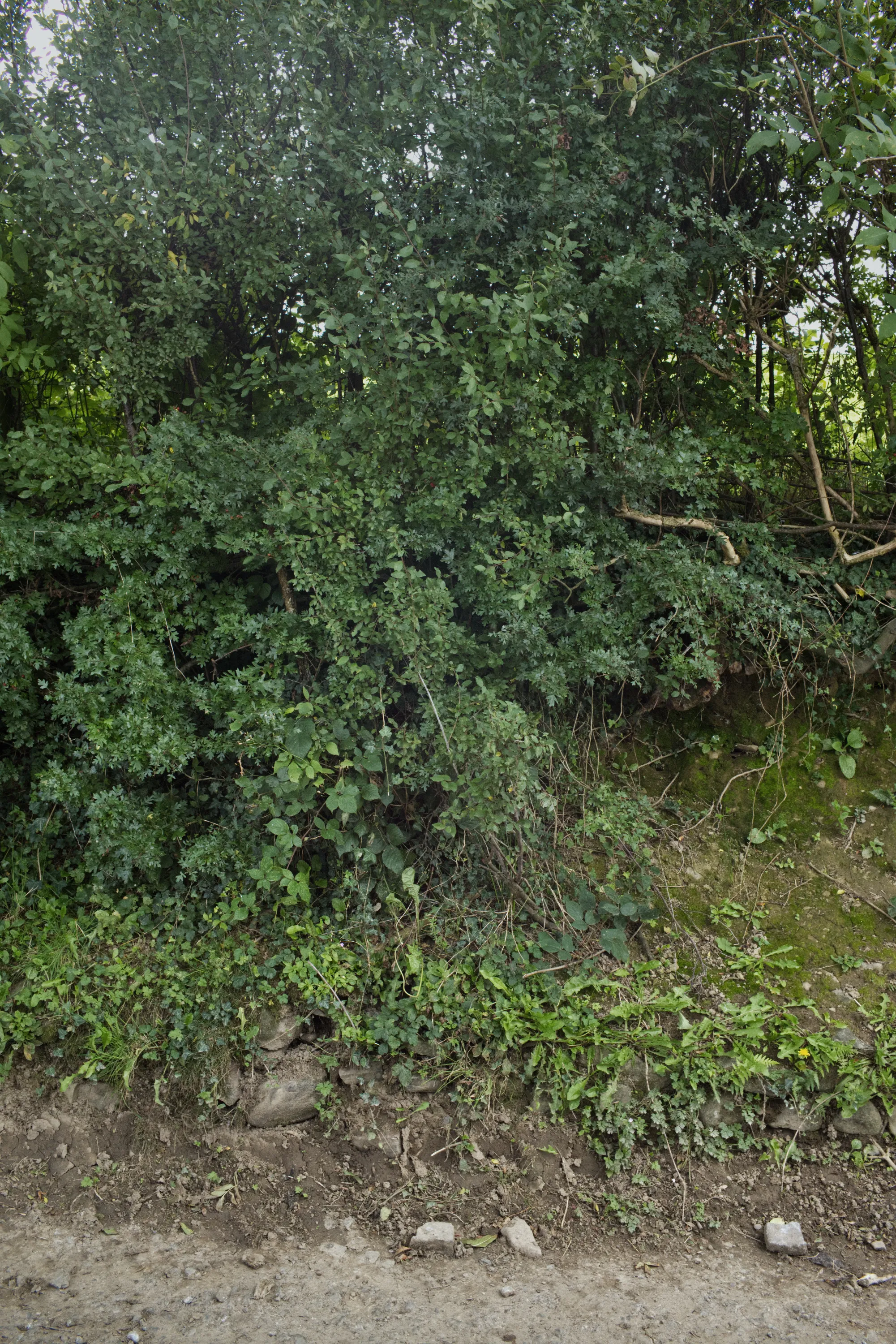
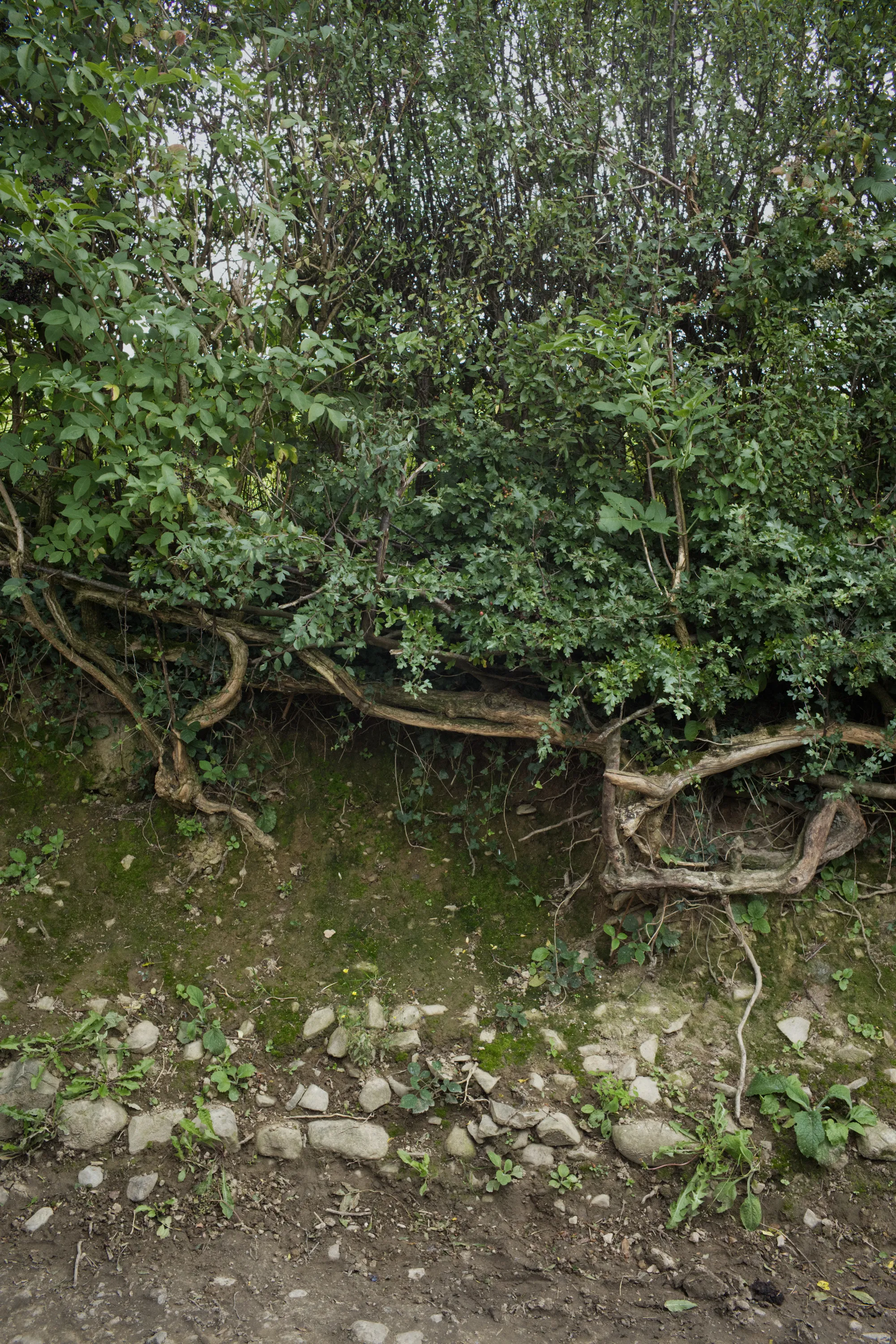
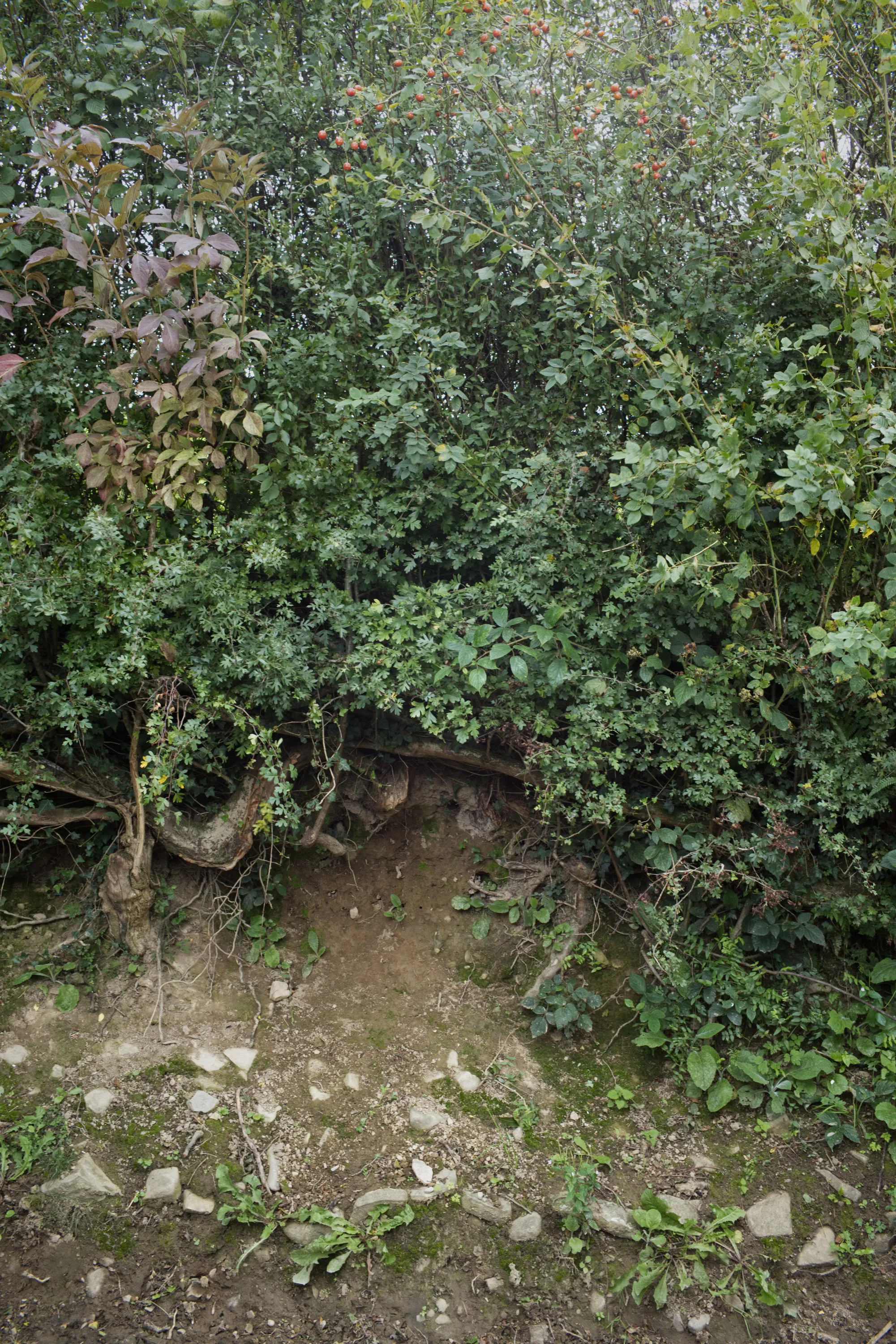
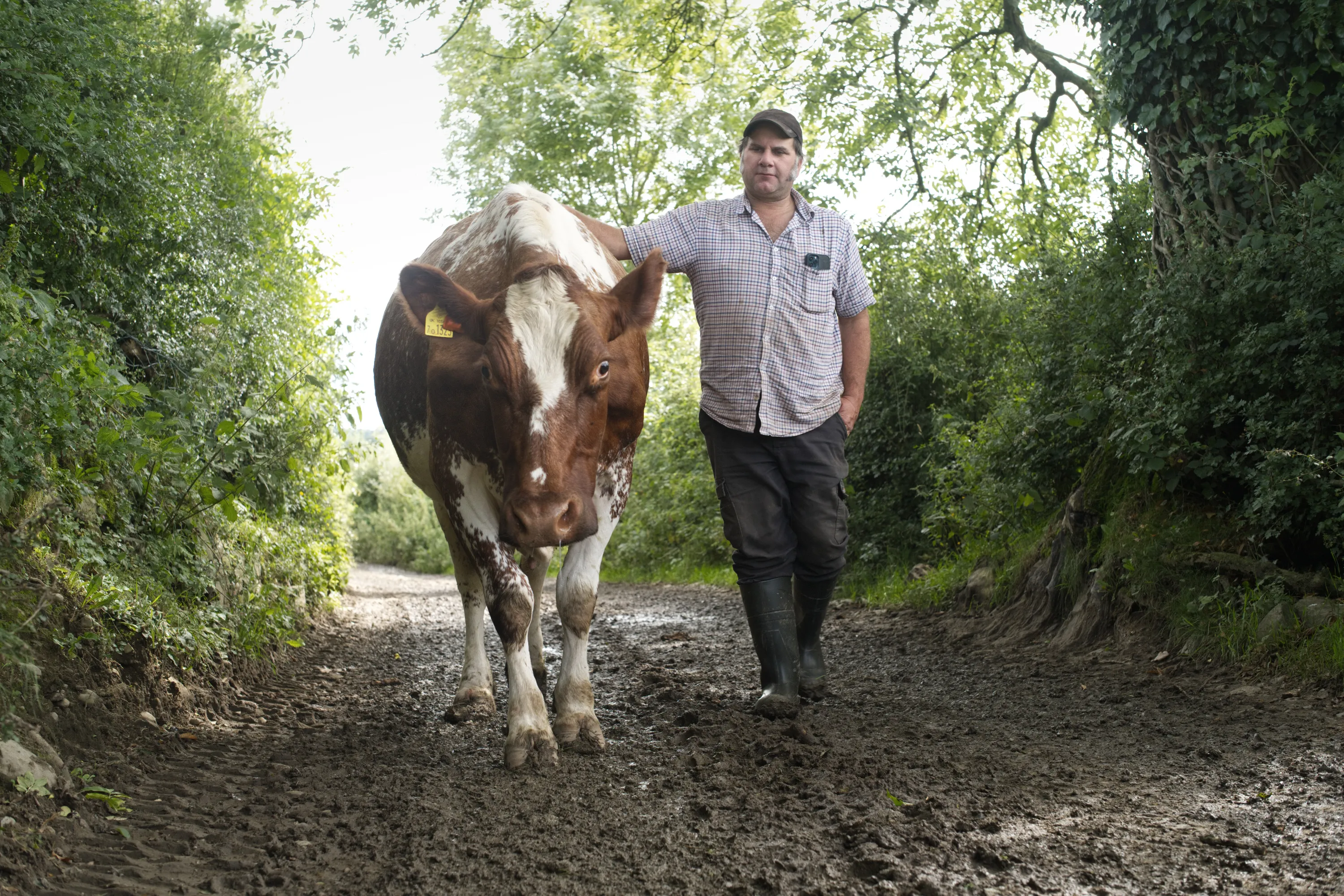
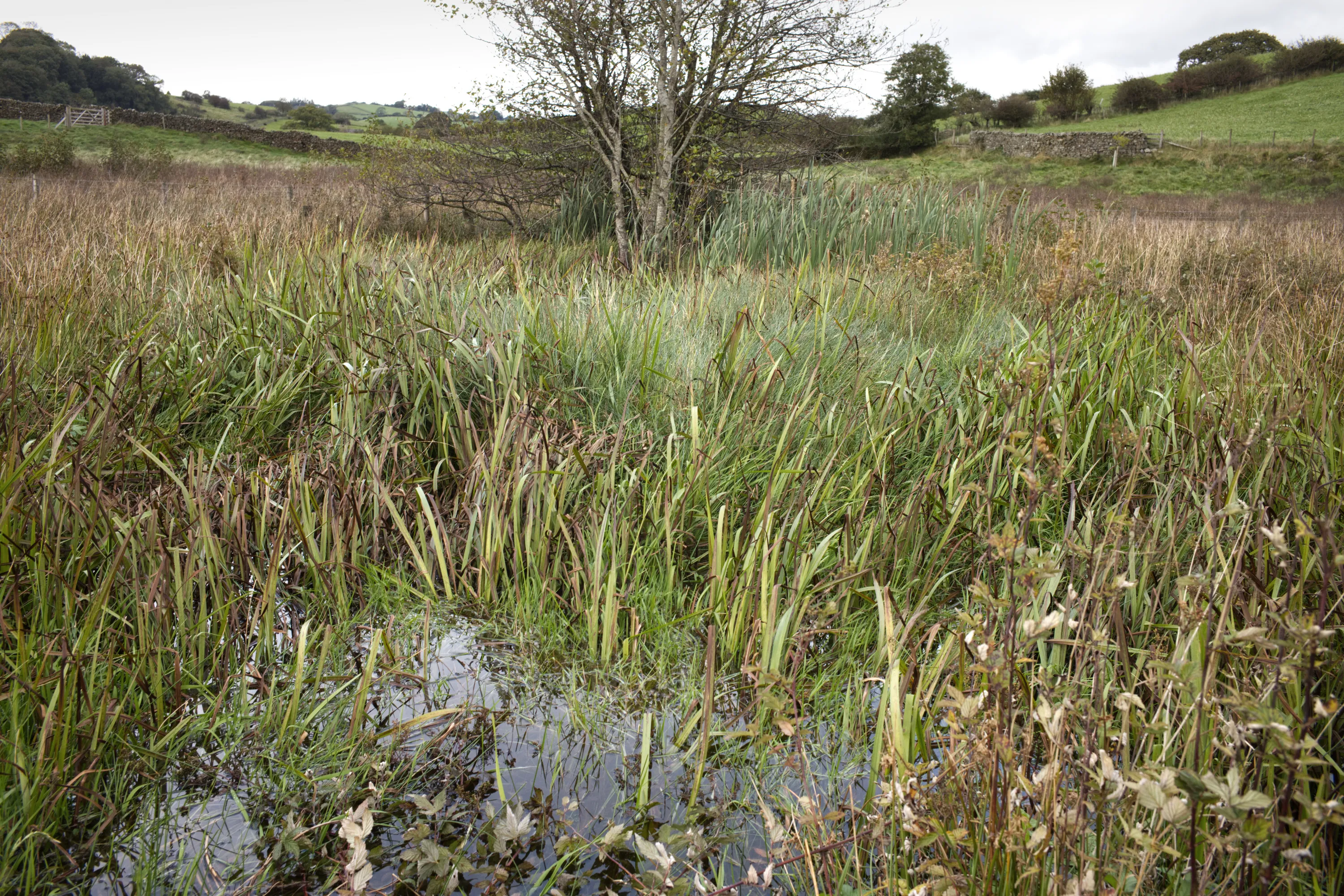
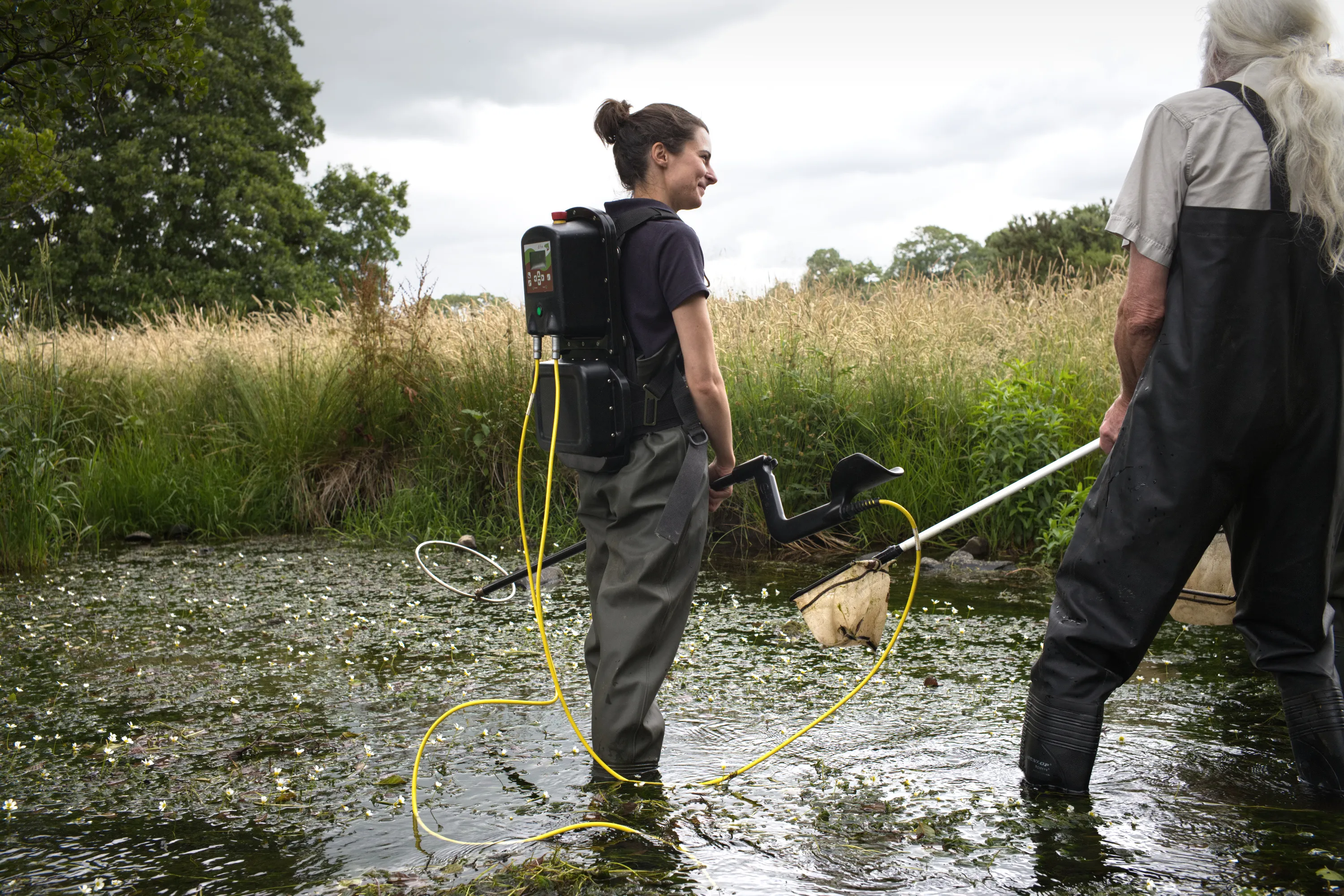
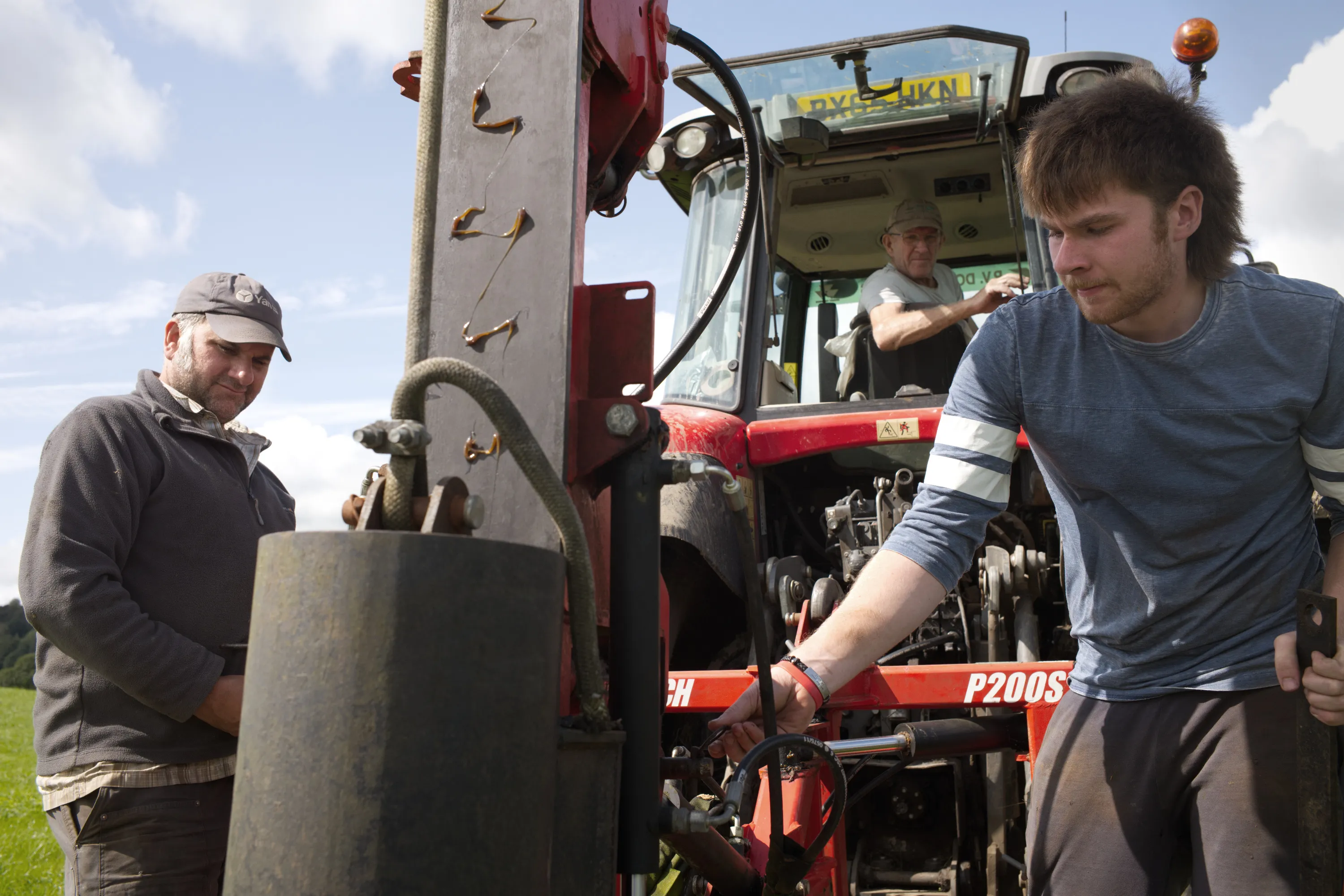
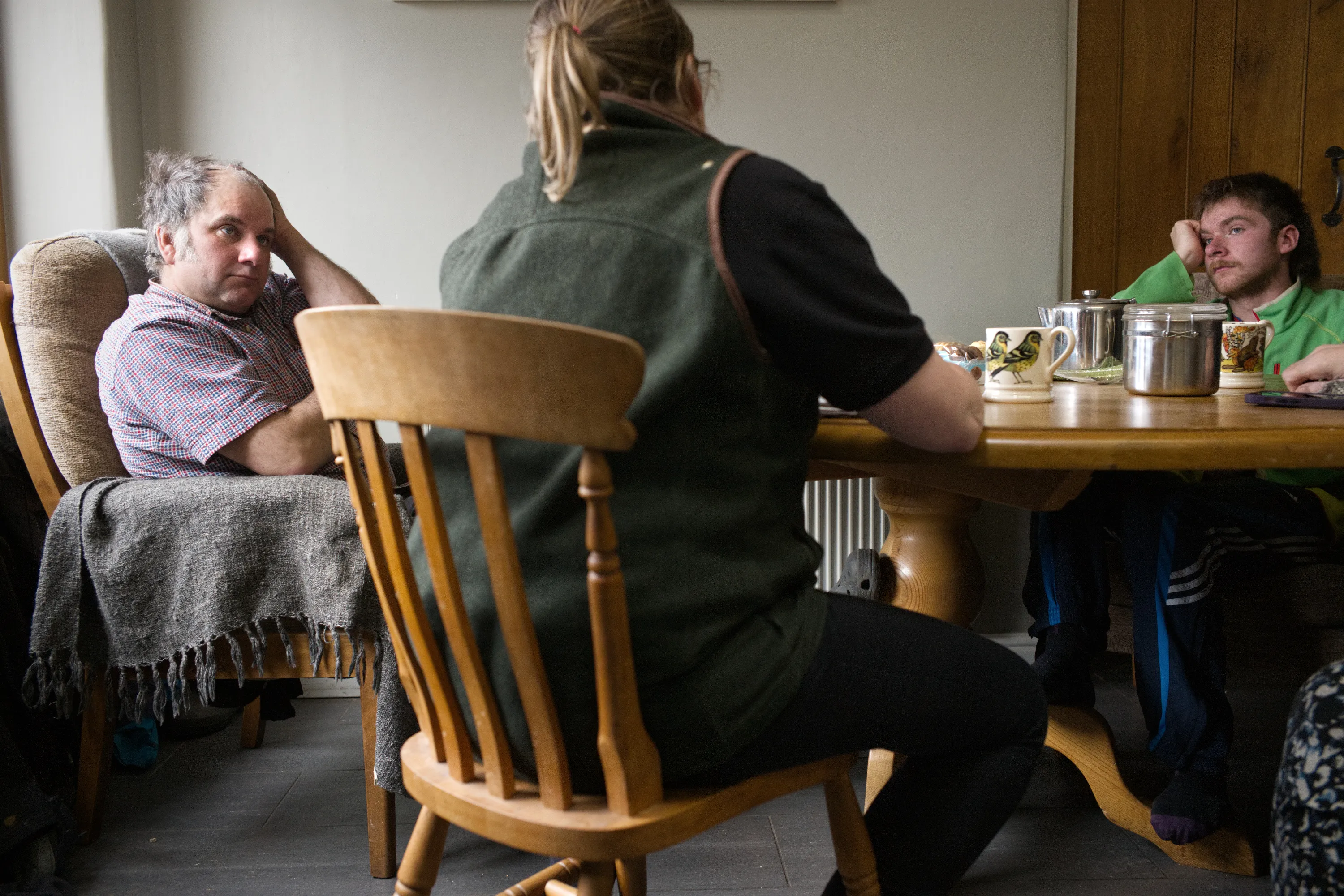
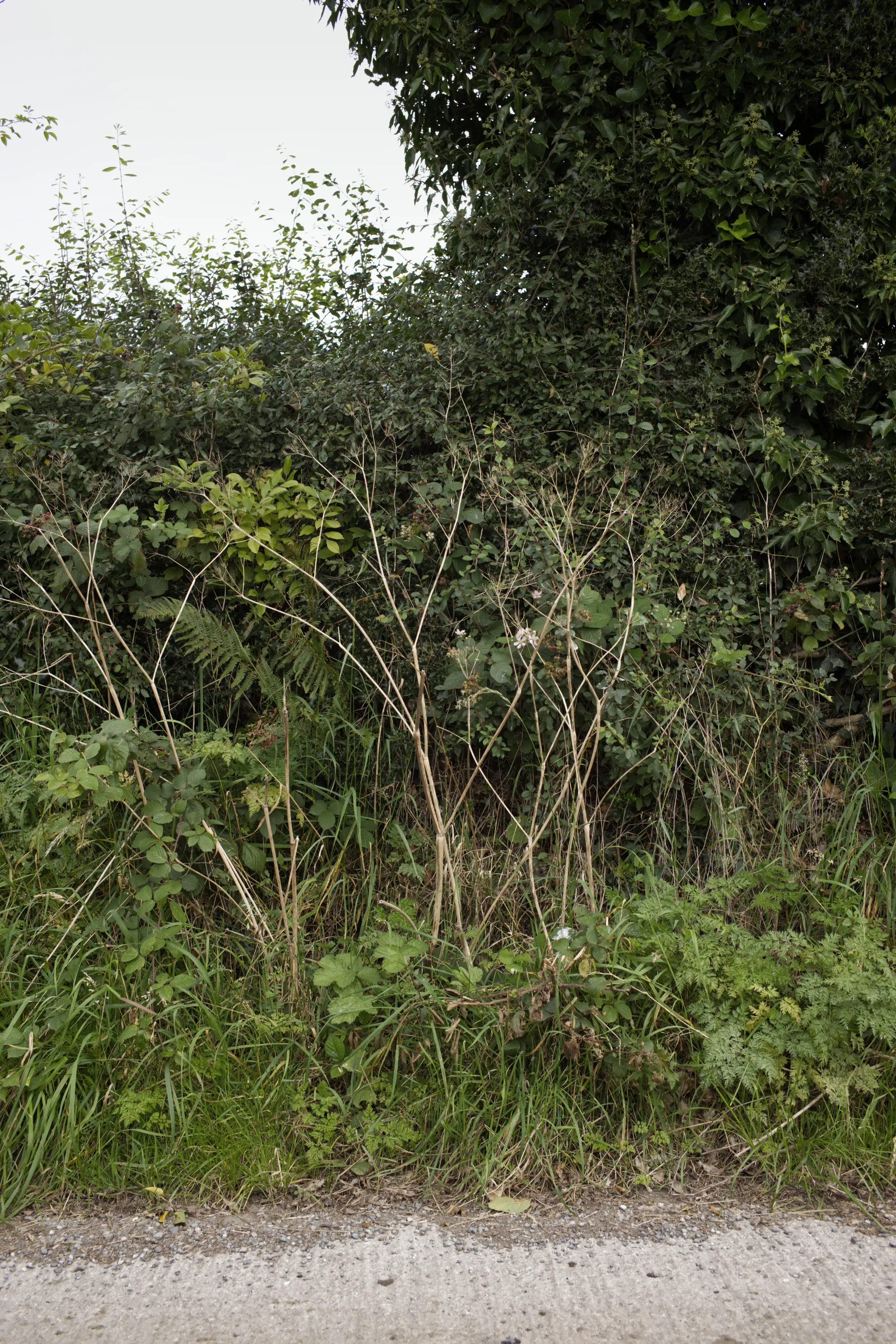
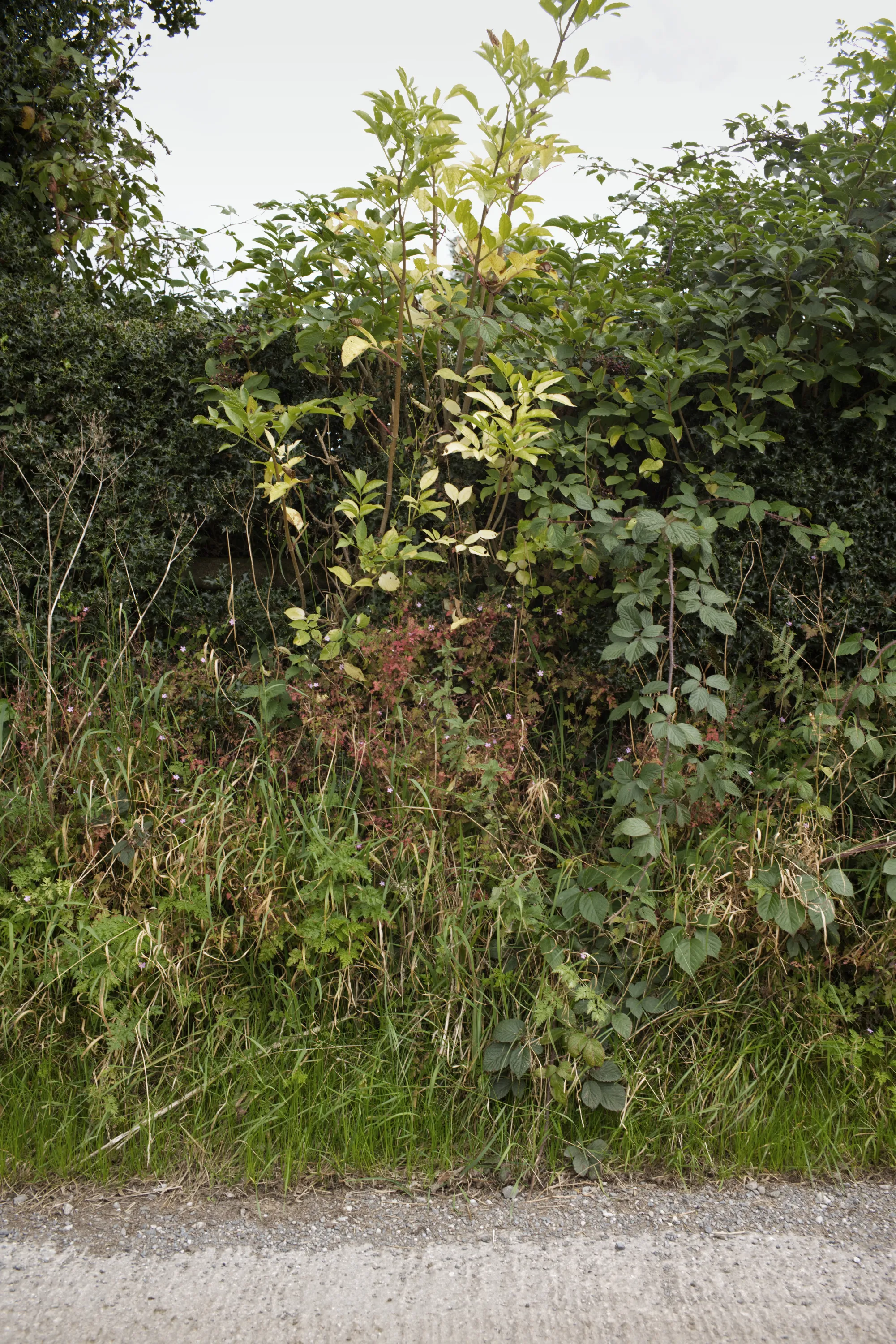
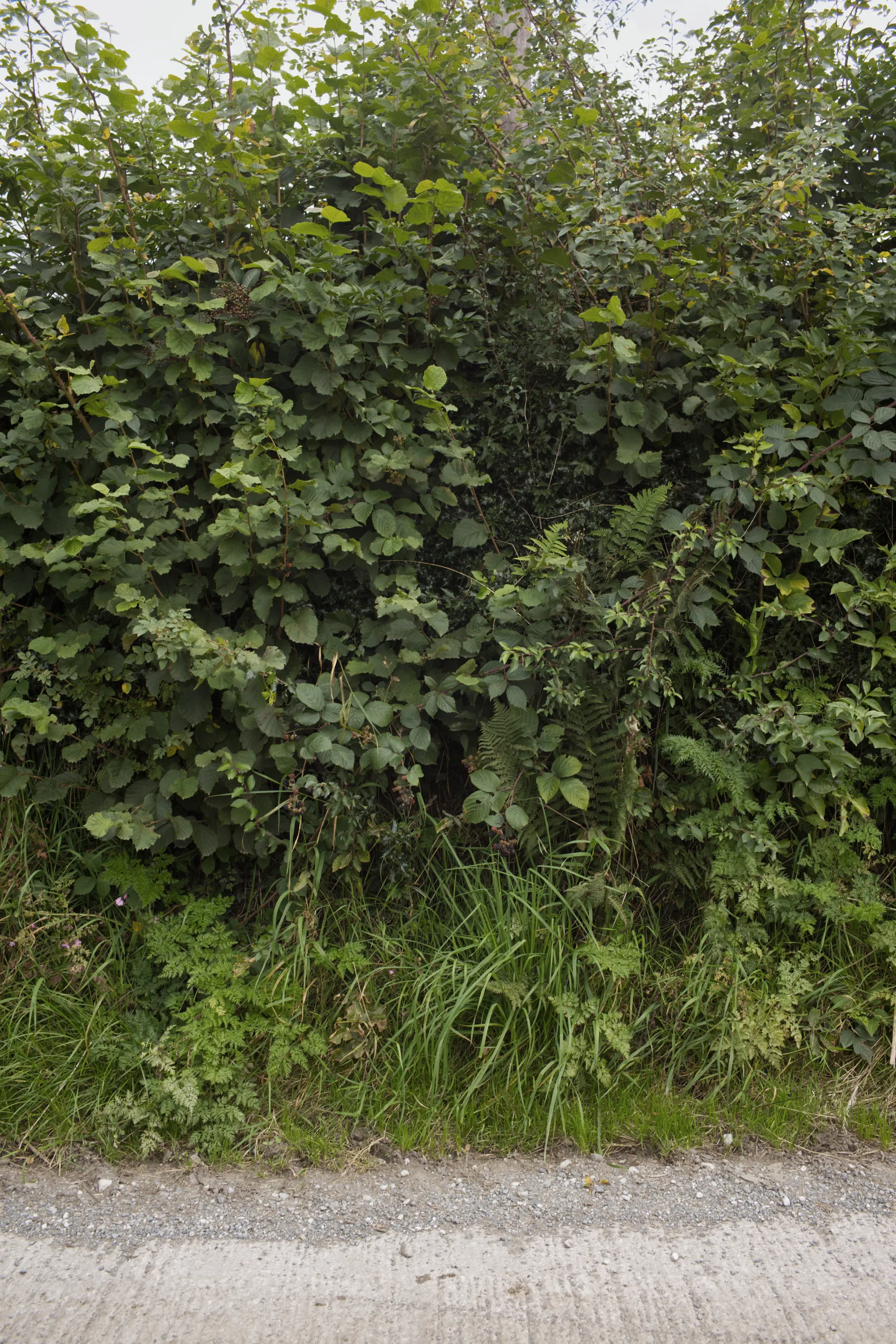
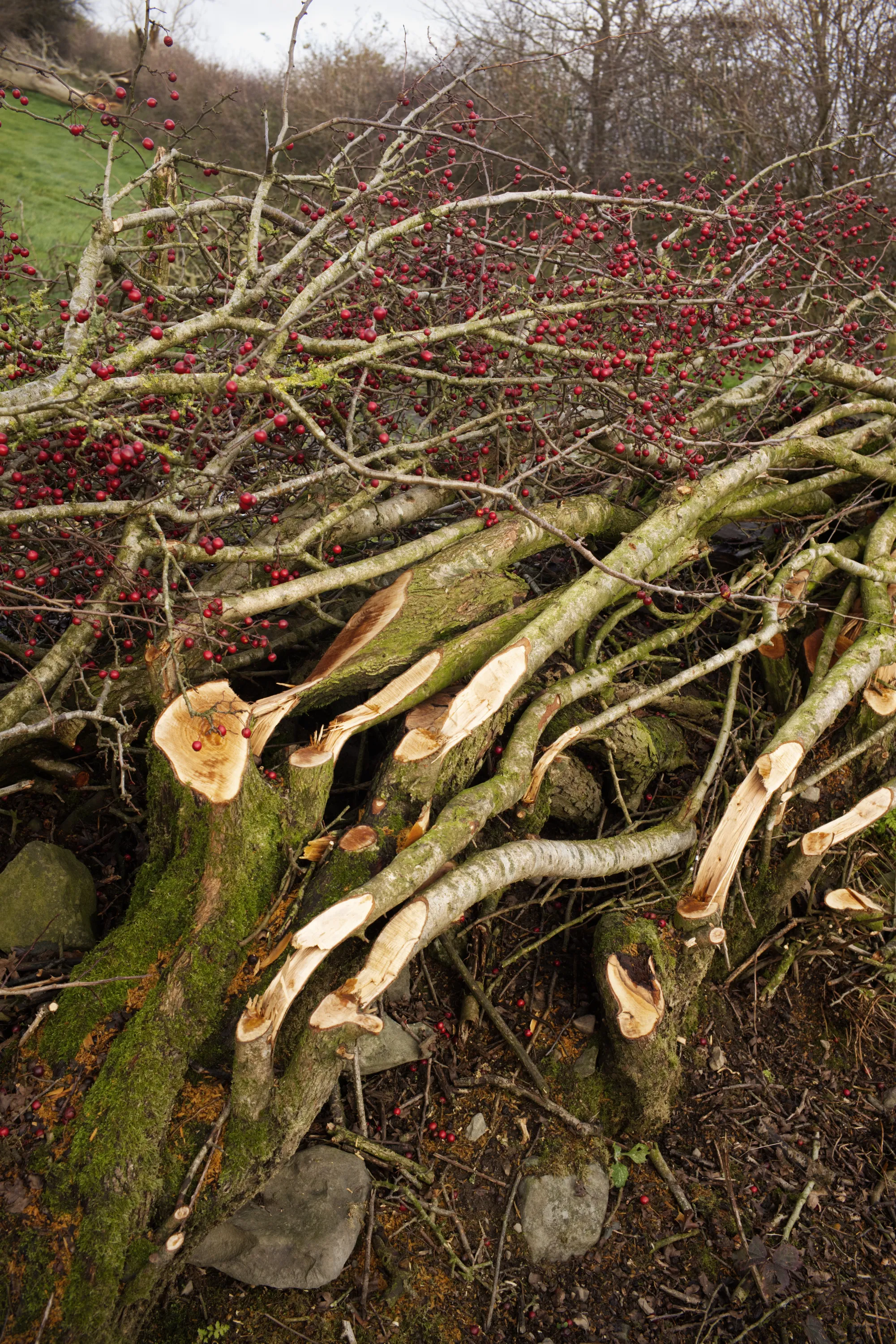
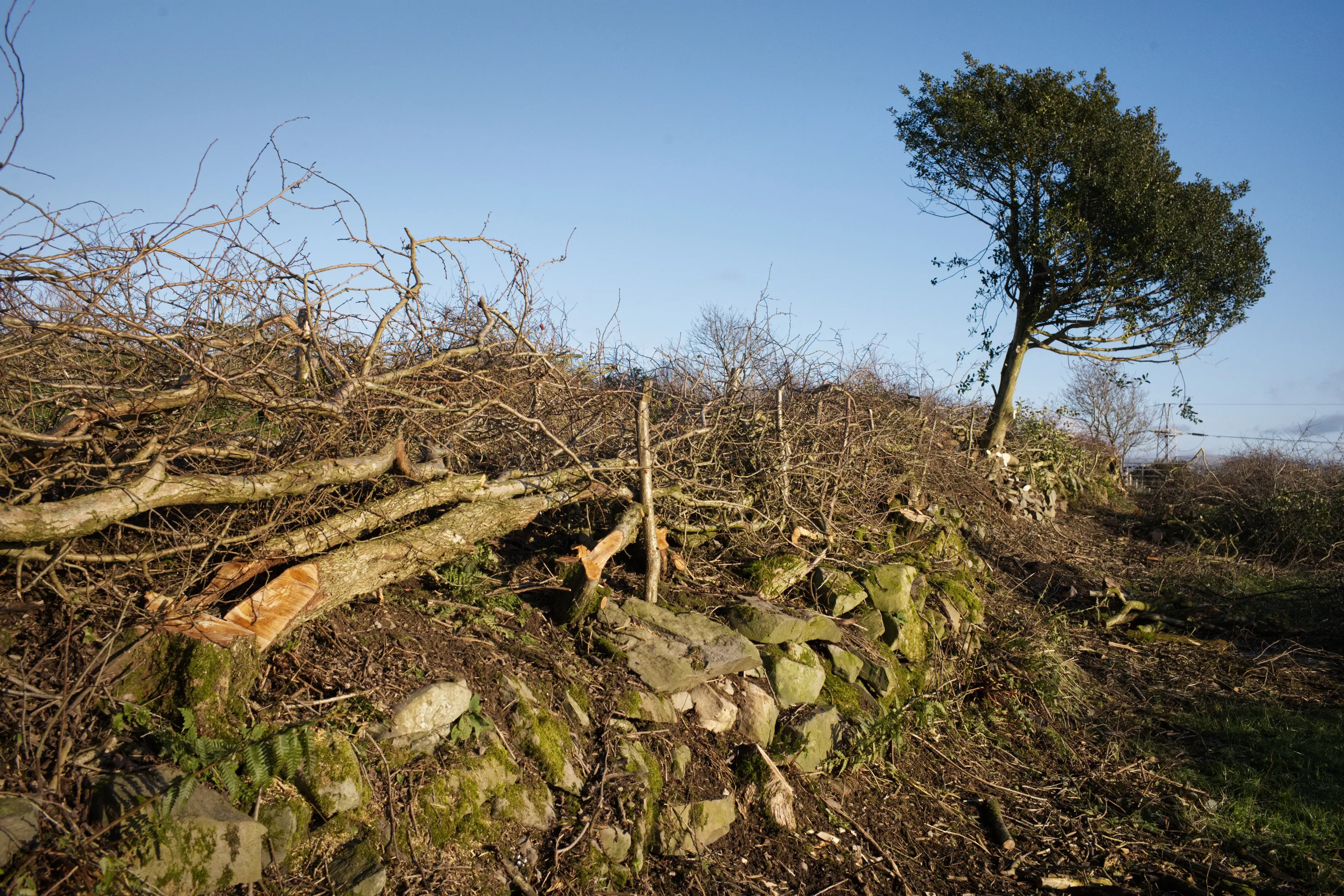
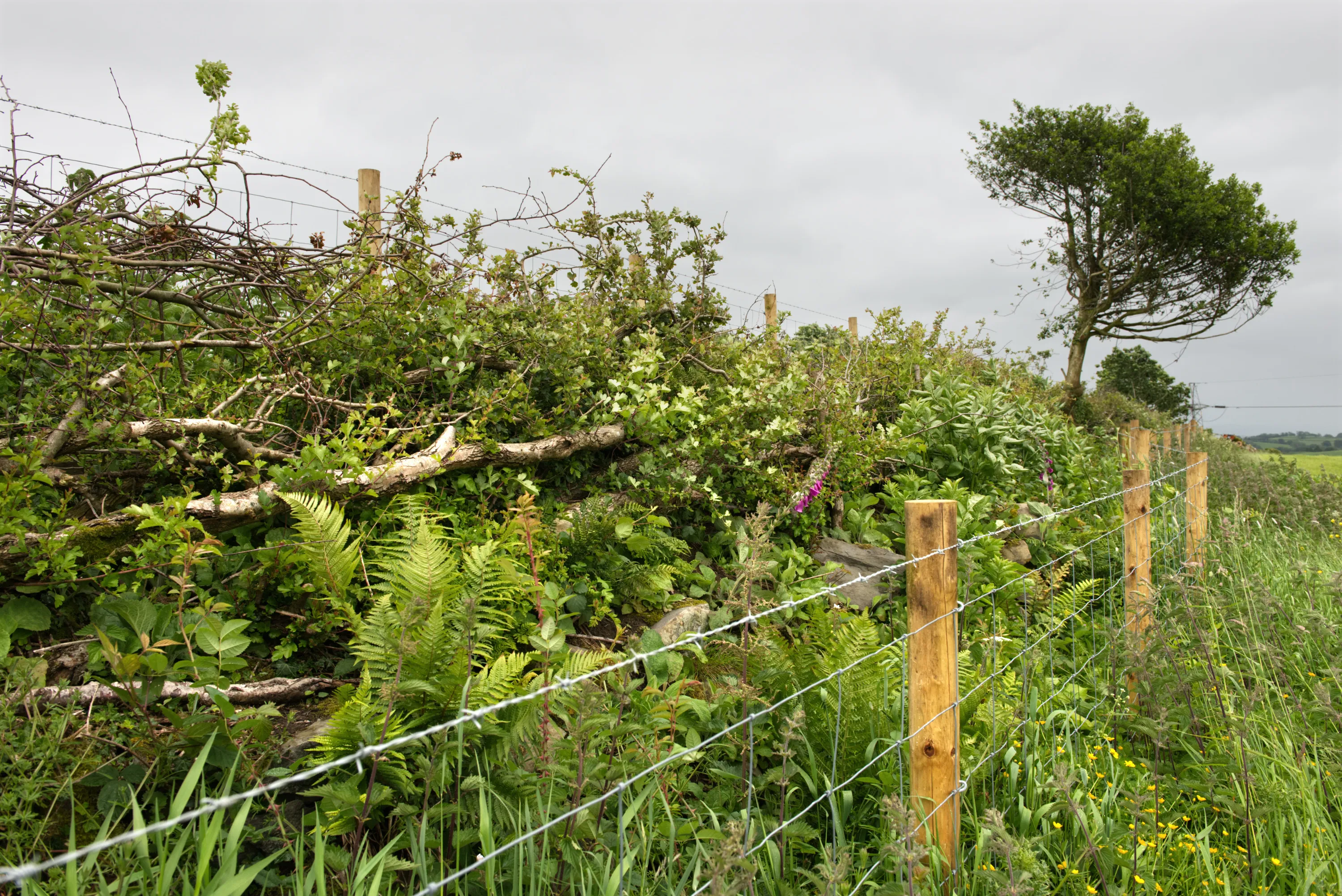
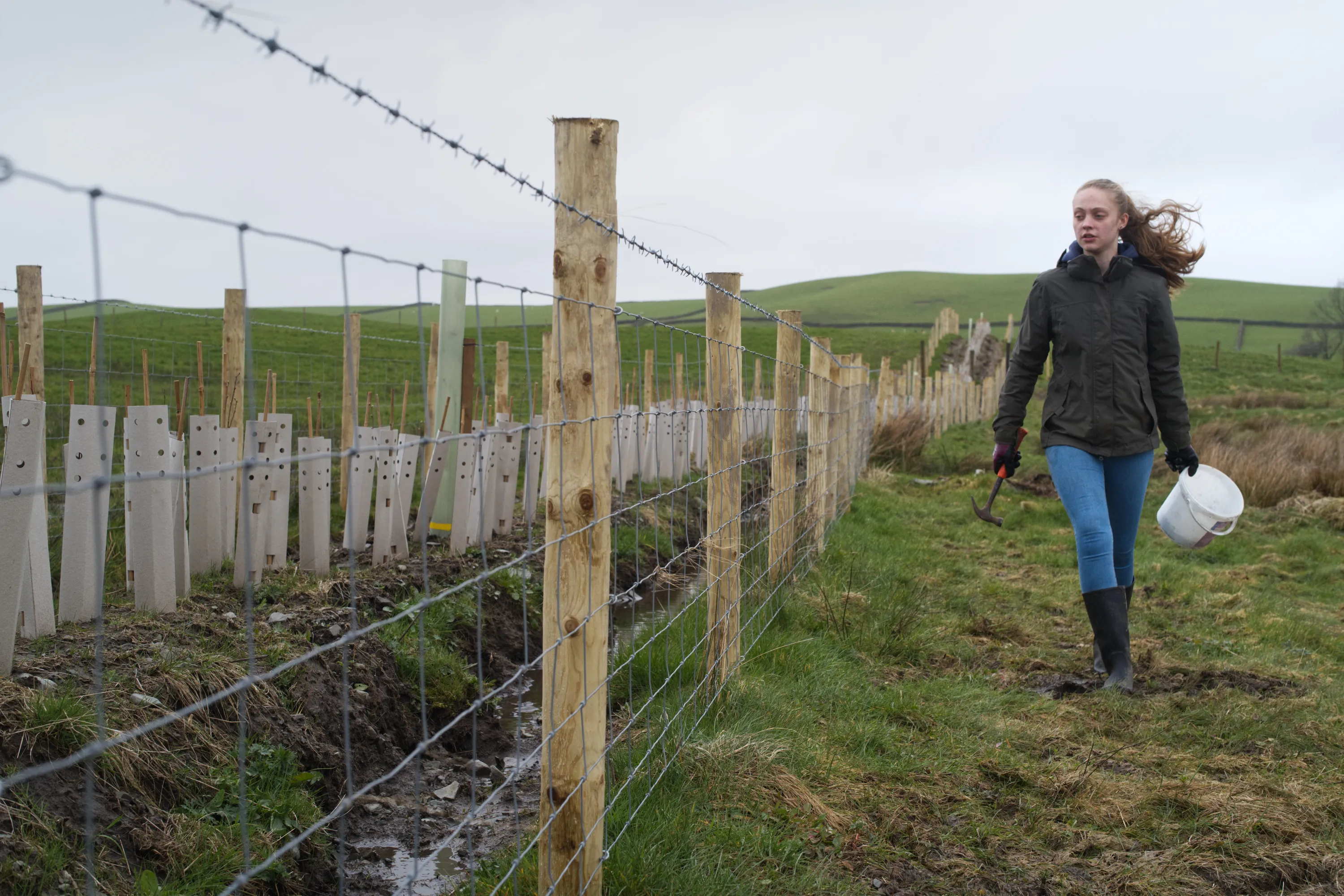
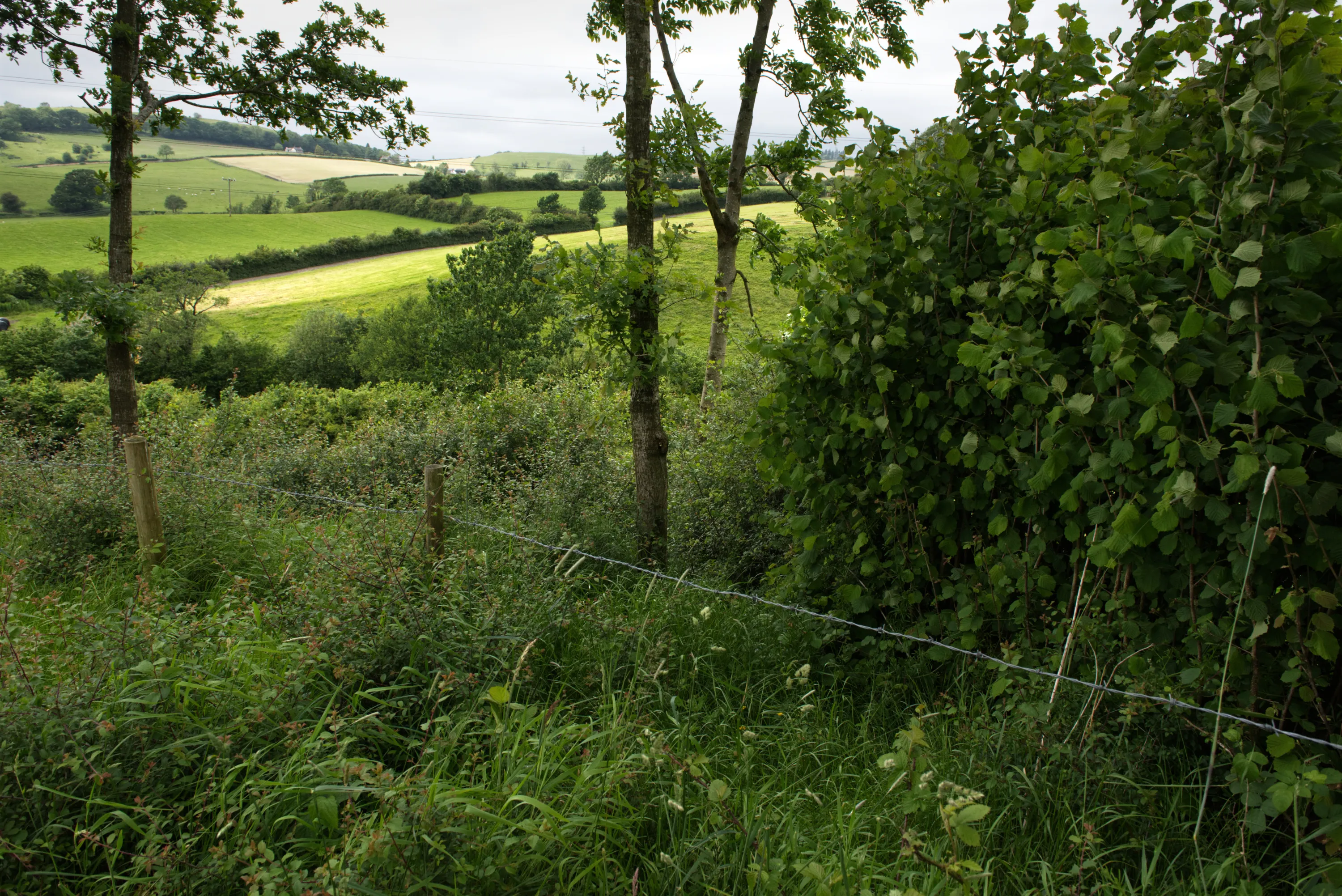
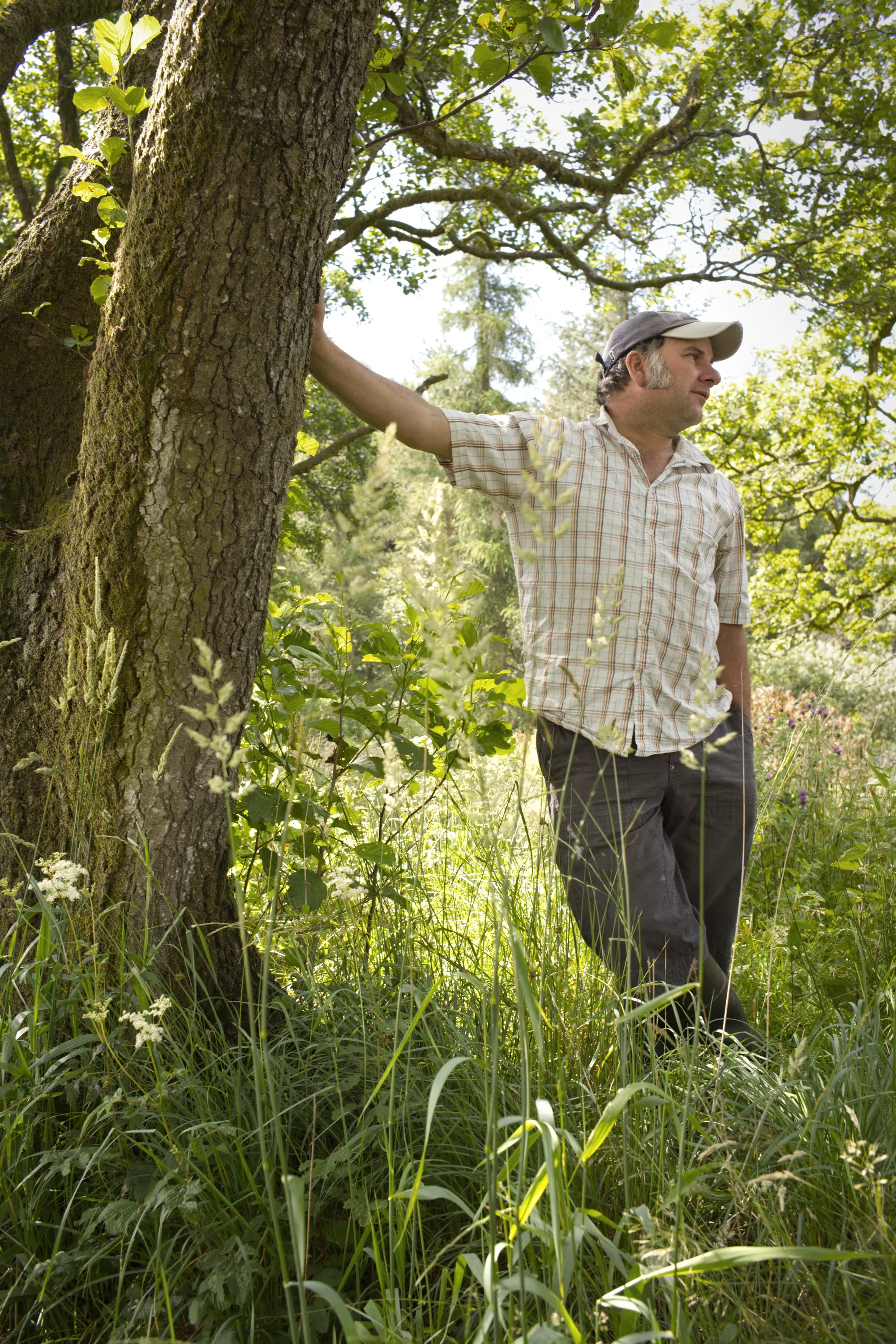
Forward-thinking farmers recognise this danger and work with nature to provide for their and our livelihoods. Three generations of the Robinson family work at Strickley, their organic dairy farm in Cumbria. There they also manage kilometres of species-rich hedgerows and are actively rewilding woodlands and wetlands. The habitats they create increase biodiversity by sustaining interdependent communities of microorganisms, plants, and animals. This is aided by the absence of pesticides and inorganic fertilisers as surveys of the stream that runs through the farm show. Its clean water supports growing numbers of arthropods, crustaceans, fish, and mammals.
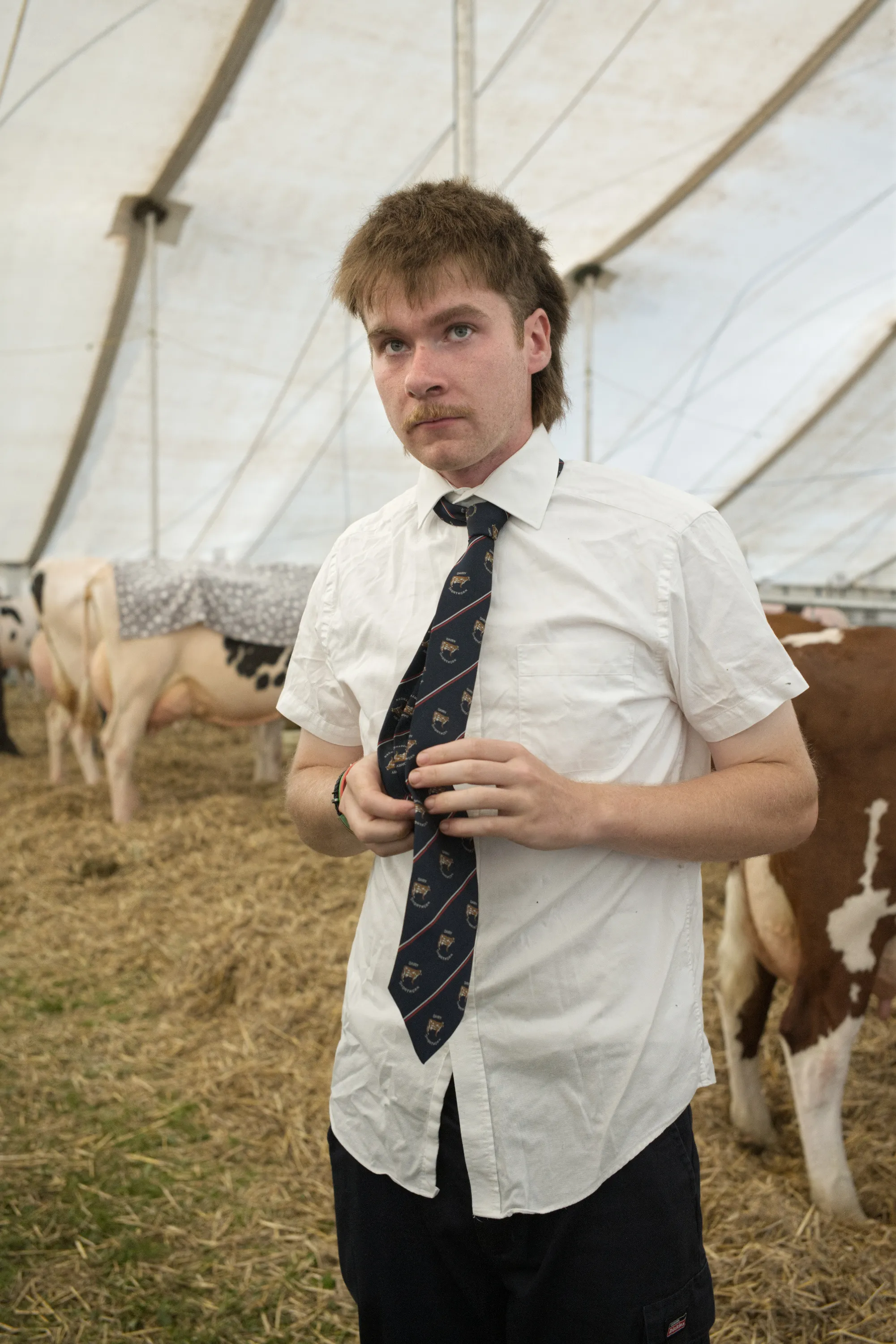
By balancing intervention and renewal, the Robinsons embrace a new sensibility that reconciles economic viability and environmental sustainability. Their family farm has a long history (they have been exhibiting at the local agricultural show for 150 years), so this proactive approach is a credible example to their peers. It can also serve as a model to society at large.
Exhibitions & publications
- Intervention and Renewal Open Eye Gallery, Liverpool, 8 Feb–31 Mar 2024
- Tilt Zine no. 24 Open Eye Gallery, Liverpool, 2024
- Intervention and Renewal Abbot Hall, Kendal, 28 Sep 2024–19 Apr 2025
- We Feed the UK Royal Photographic Society, Bristol, 3 Apr–22 Jun 2025
- Selected work, Farmers fighting the climate emergency The Guardian, June 2025
- We Feed the UK Papadakis Publisher, 2025
- We Feed the UK: Heritage, Nature and Regenerative Farming in Photographs Arts (MDPI), 2026