Portrait of a Pigeon Racer
2022
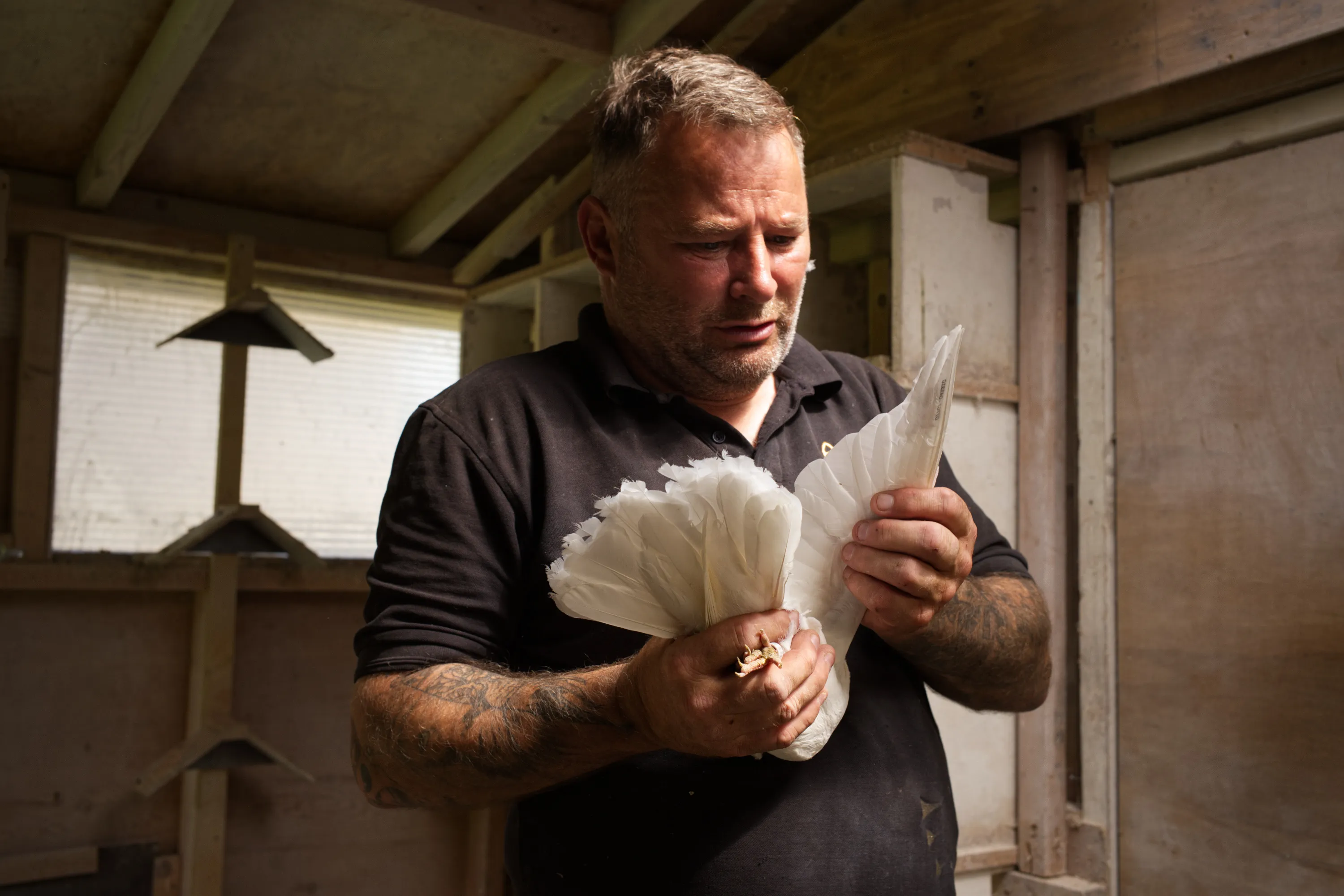
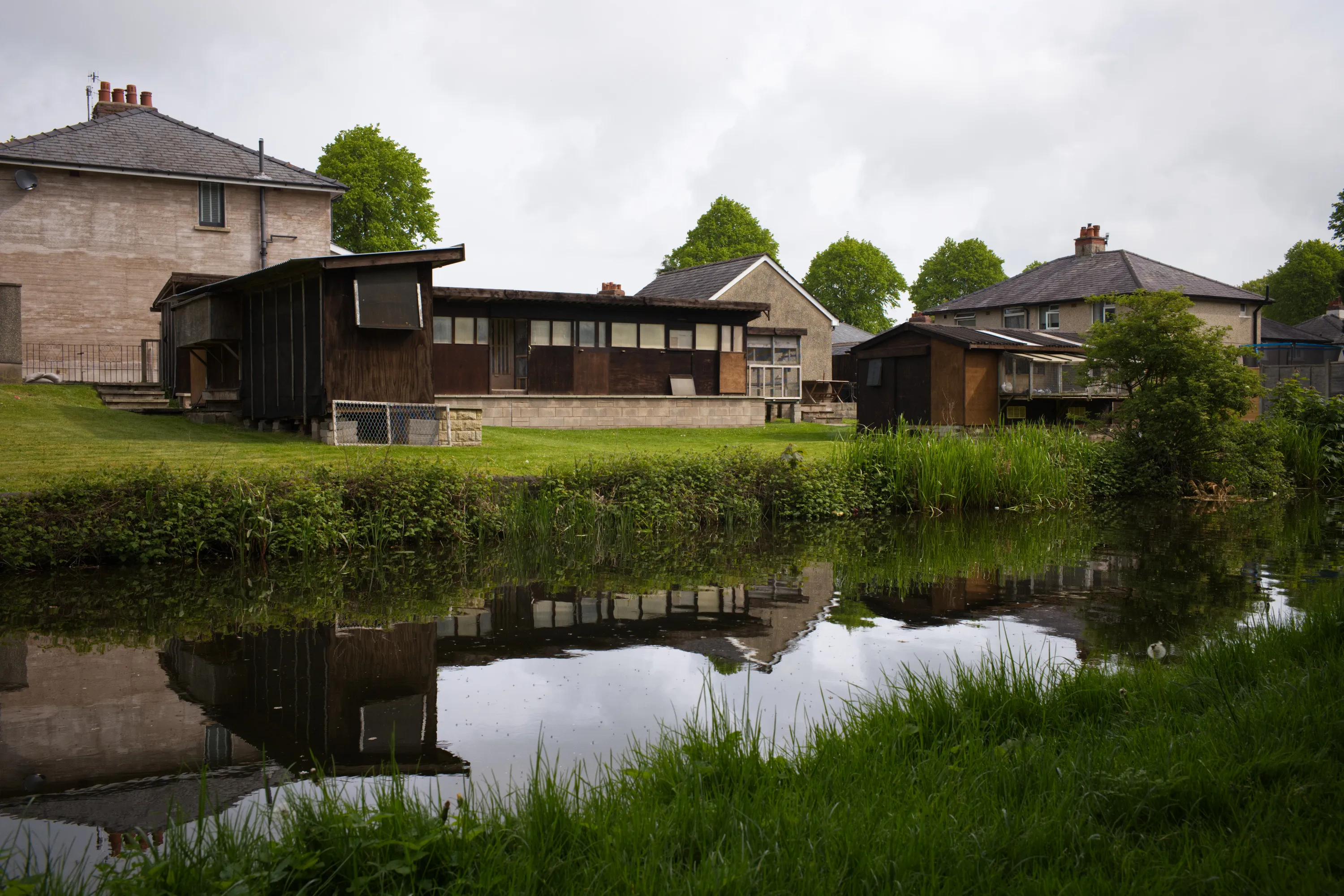
The pigeon racer's world is centred on his loft. As the location of a hive of activity, but also dreams and despair, it carries deep significance.
Pigeon racing is derived from on a simple and remarkable fact: when taken from their home, homing pigeons will return to it. To race pigeons, you calculate each bird’s speed by dividing the distance from the liberation point to its home loft by its flight time. The winner is the one who flew the fastest.
Pigeon racing and its related culture are often associated with a bygone era, but these photographs are not about the past. Pigeons are only part of the story, maybe even a means to an end. What I discovered, and what this series is really about, is the importance of place as a base from which to nurture aspiration.
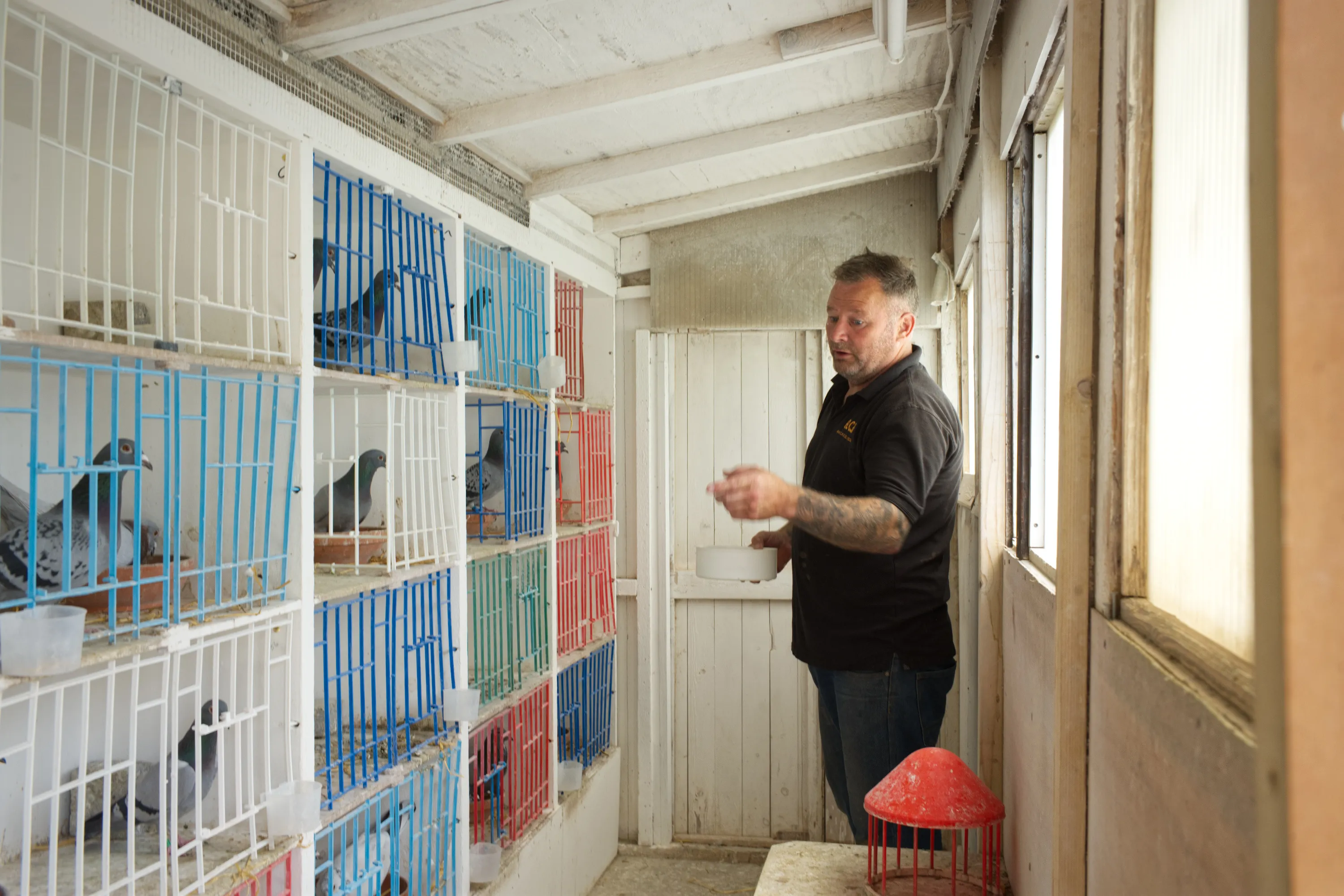
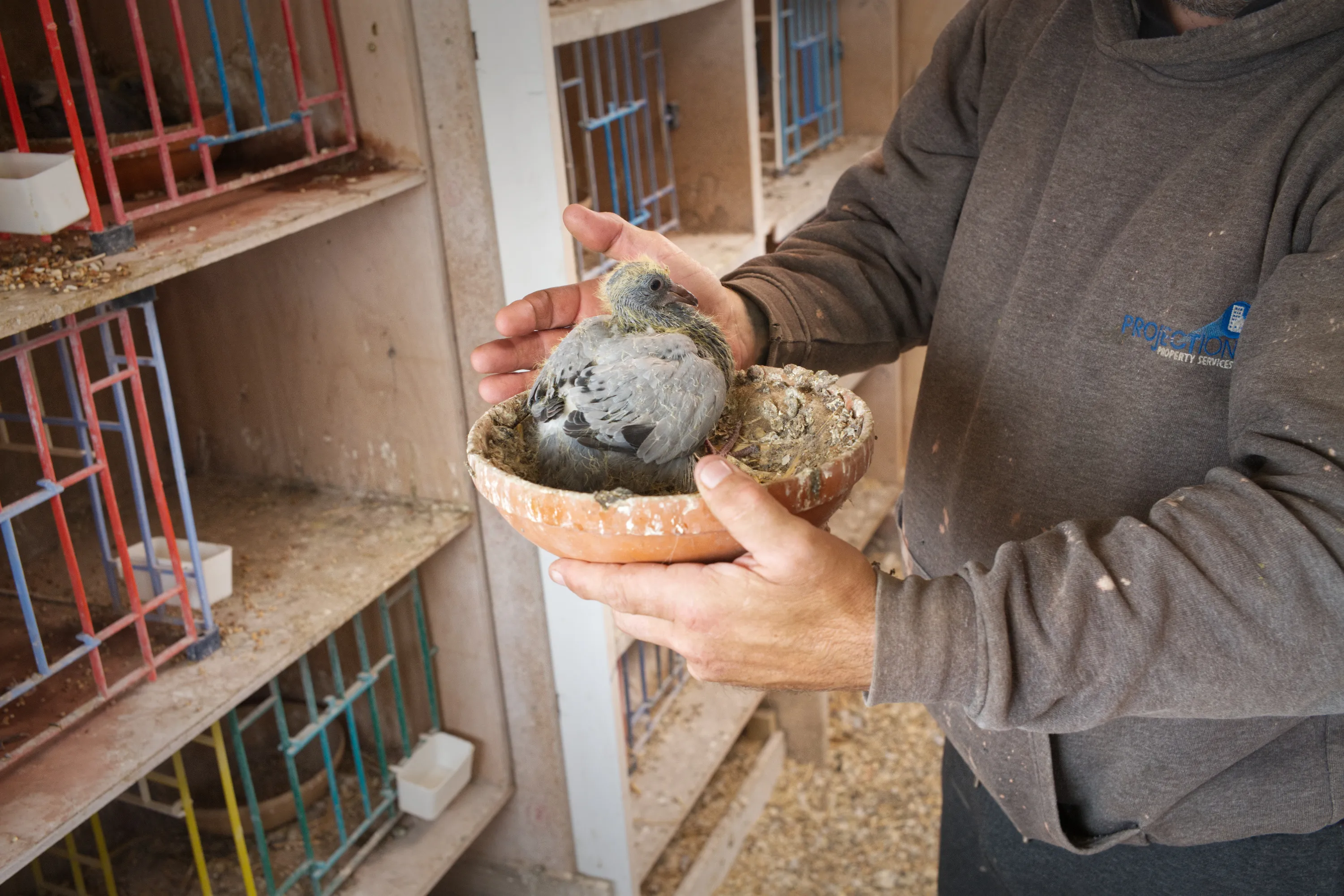
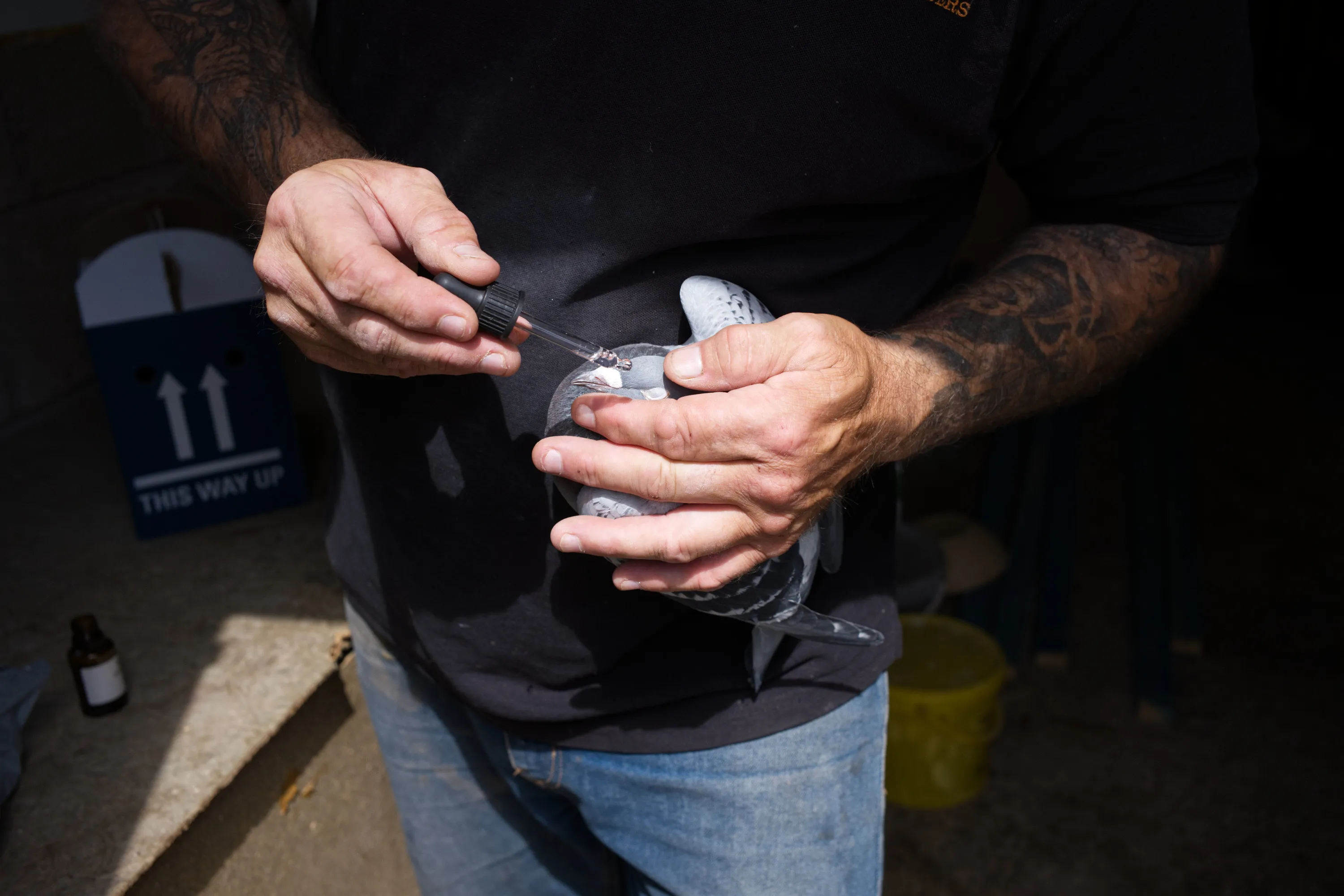
A pigeon's homing instinct is strengthened if it has been mated and has a nesting box. To a mated pair, their box is their home, and they will fight other pigeons who enter it. Breeding is an important part of racing and includes buying birds to introduce sought-after characteristics such as speed and stamina. Pigeon racers observe their birds carefully and can tell from their behaviour when something is wrong. Ailments are treated with specialised medication.
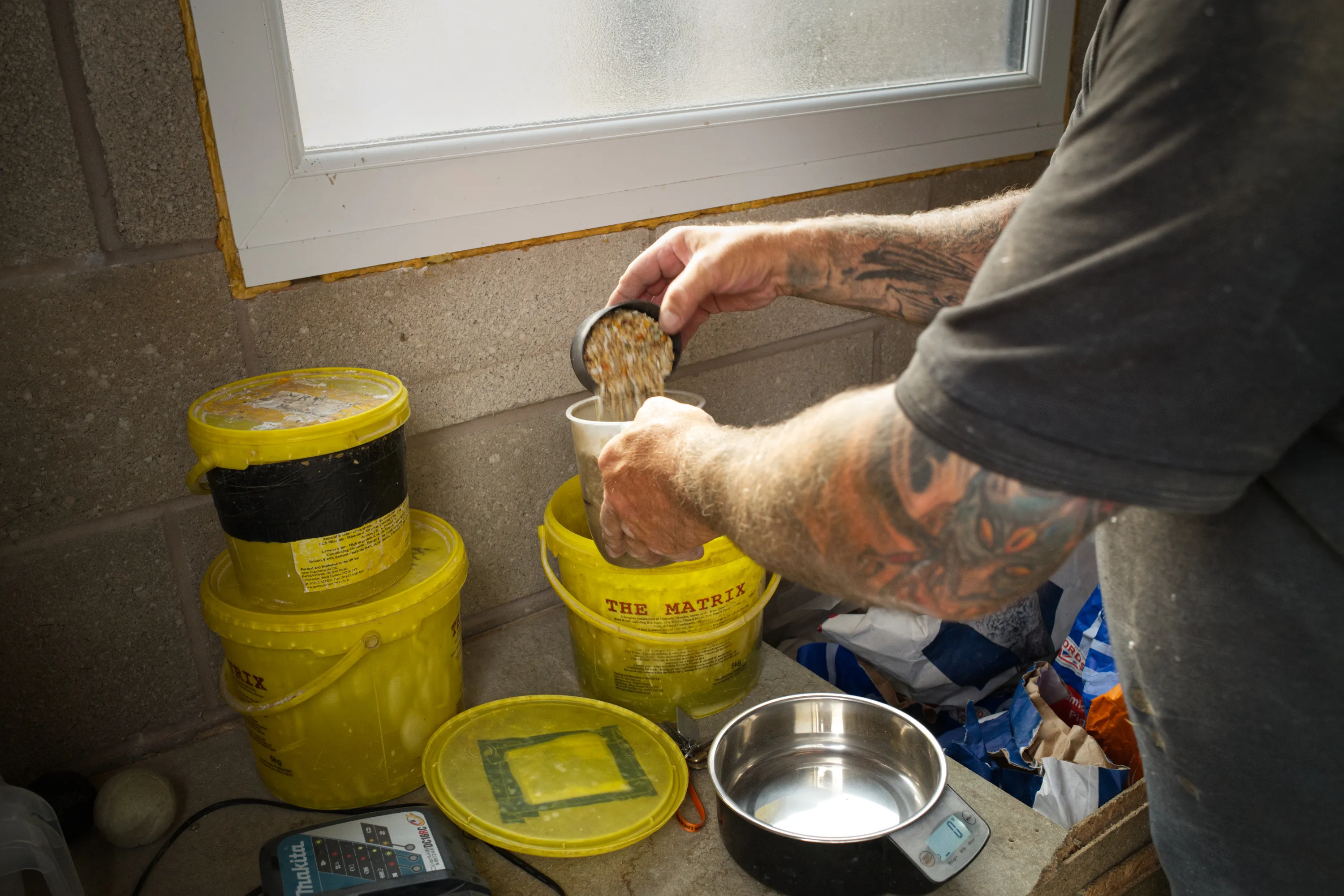
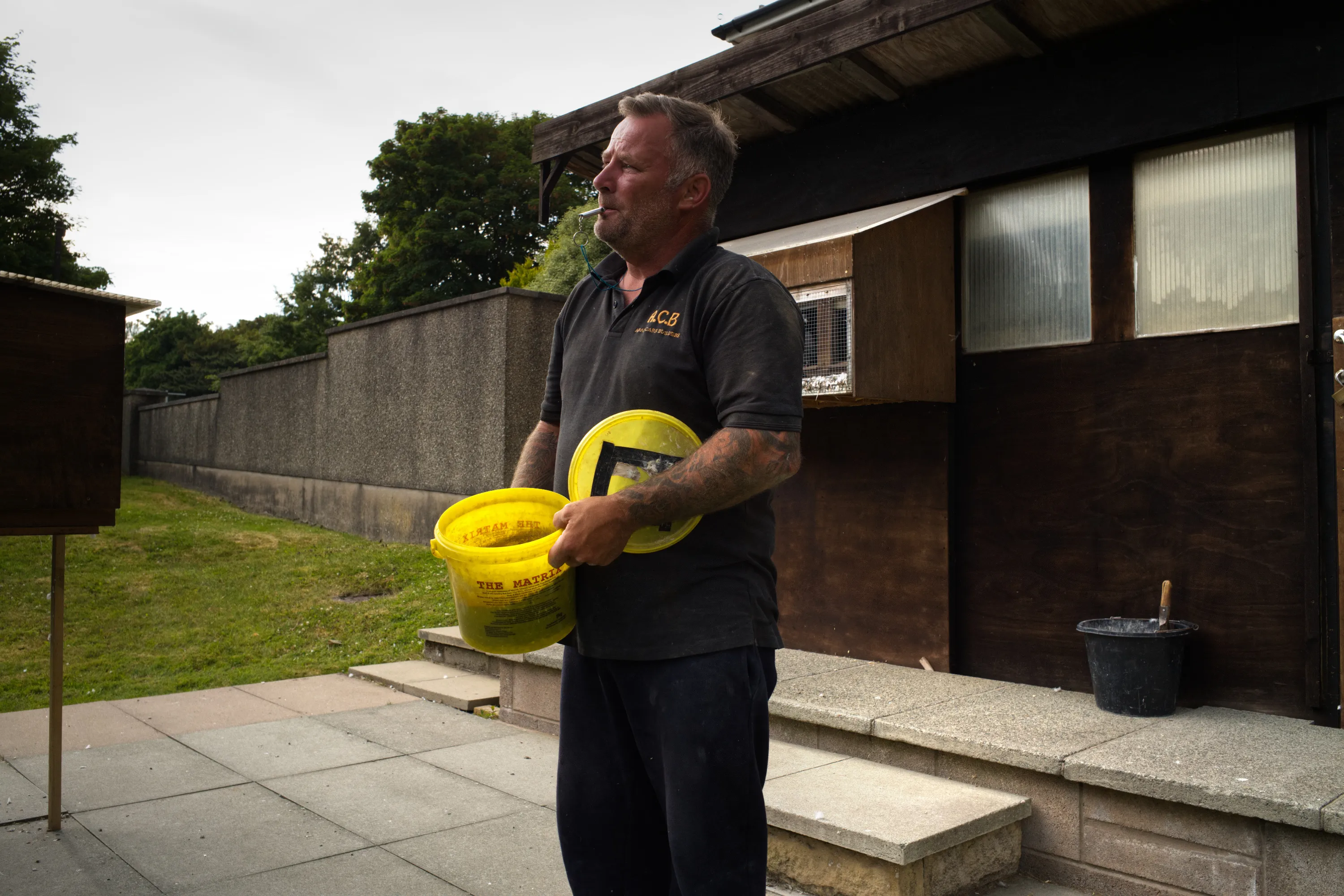
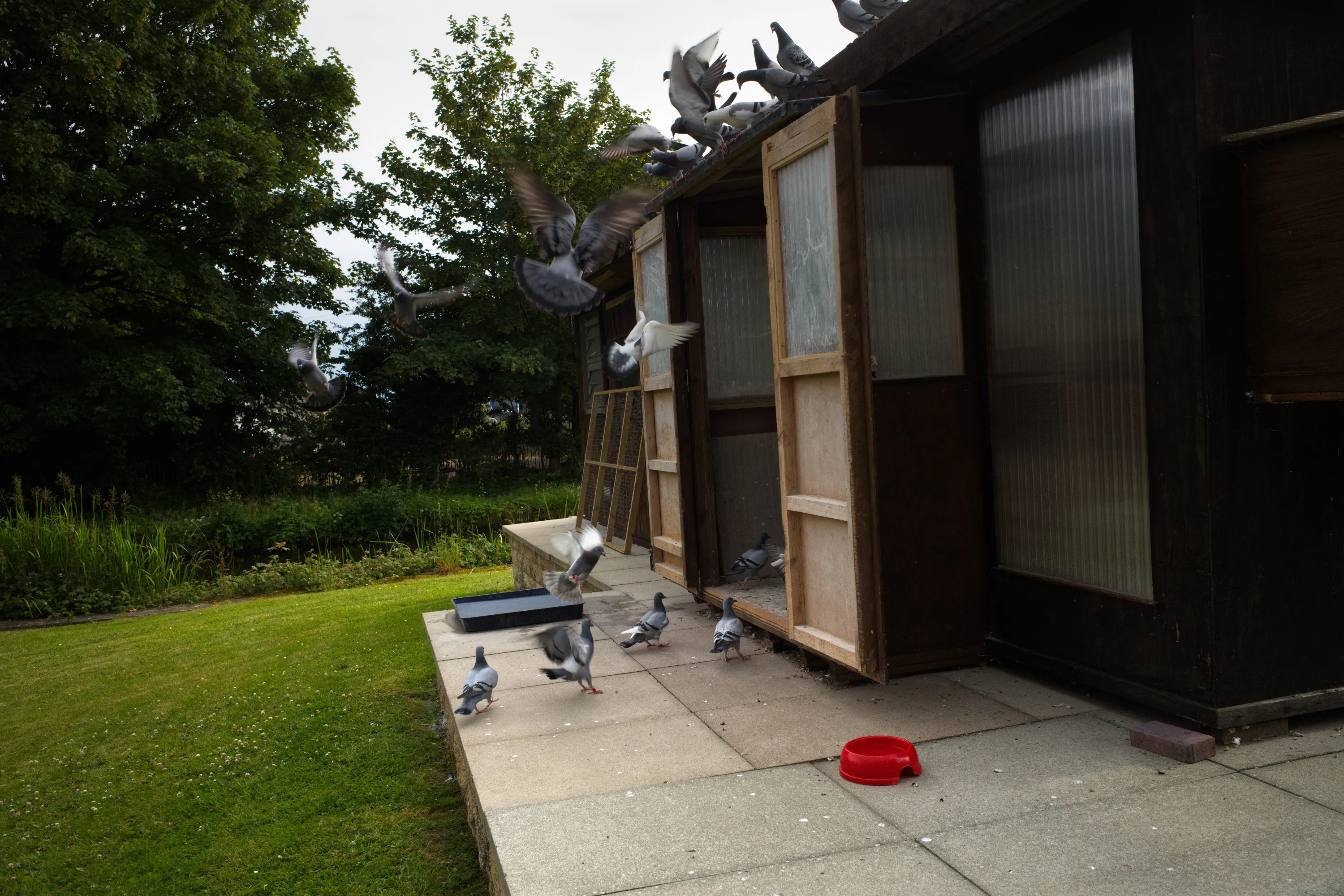
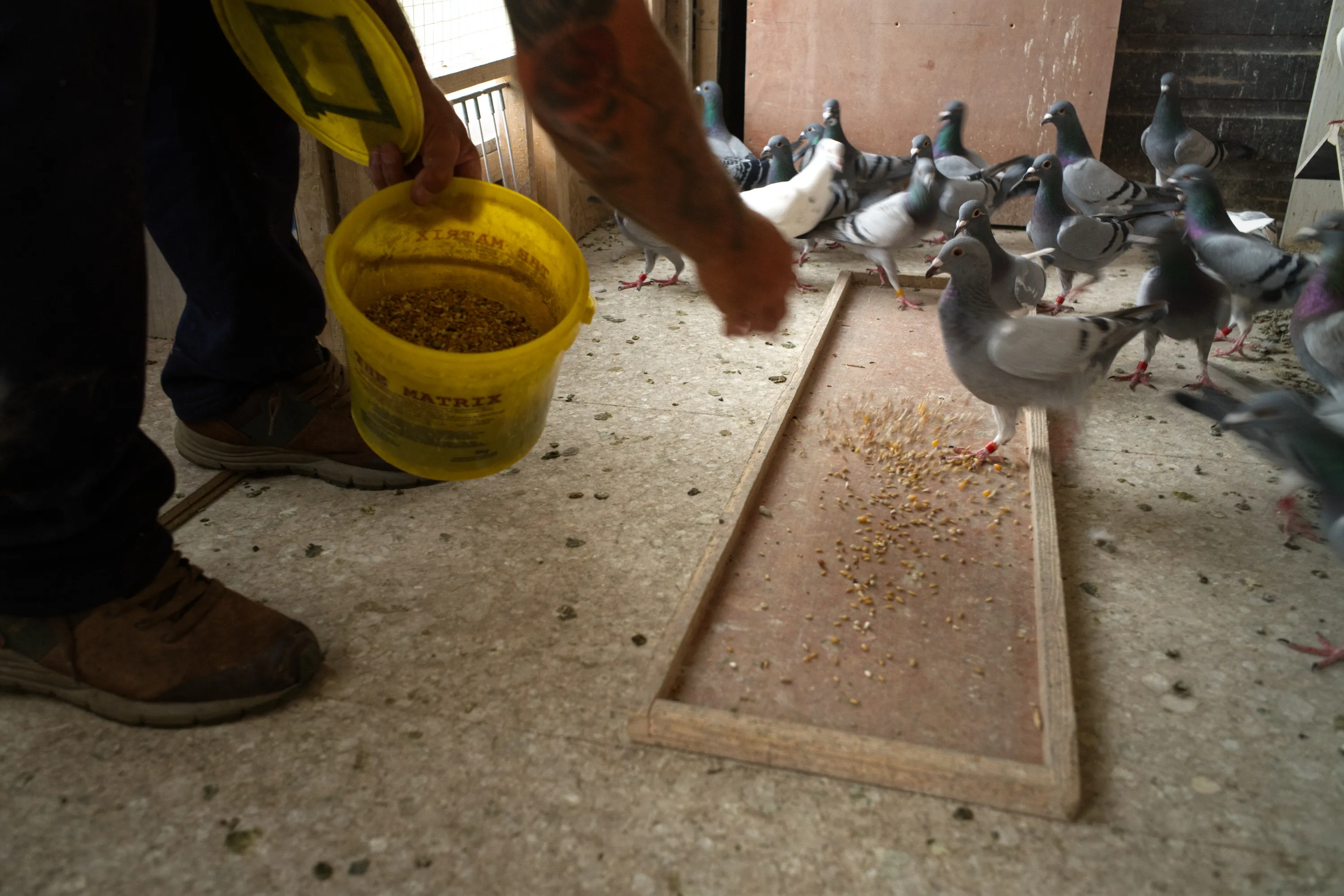
Pigeons are fed at the same time in the morning and evening. Ingredients are adapted to the time of year and, if they are racing, depends on whether the birds are recovering from or preparing for a race. If the weather permits, the birds are let out to exercise for up to an hour before feeding. They are always called back in the same way to train them to head straight for the loft when they return from a race.
All things pigeon eventually lead back to Belgium, where the sport became enormously popular during the 19th century. To this day, many birds’ lineages can be traced back to a Belgian breeder. It was also in Belgium where I first met a pigeon enthusiast who gave me a short tour of his loft.
Still curious on my return to the UK, I remembered once seeing a loft during a walk in Lancashire. With some trepidation, but armed with a handful of pigeon-specific terms gleaned in Belgium, I made a ‘cold call’ there one day. The door was answered by a burly but kind man who was to become my host for many weeks.
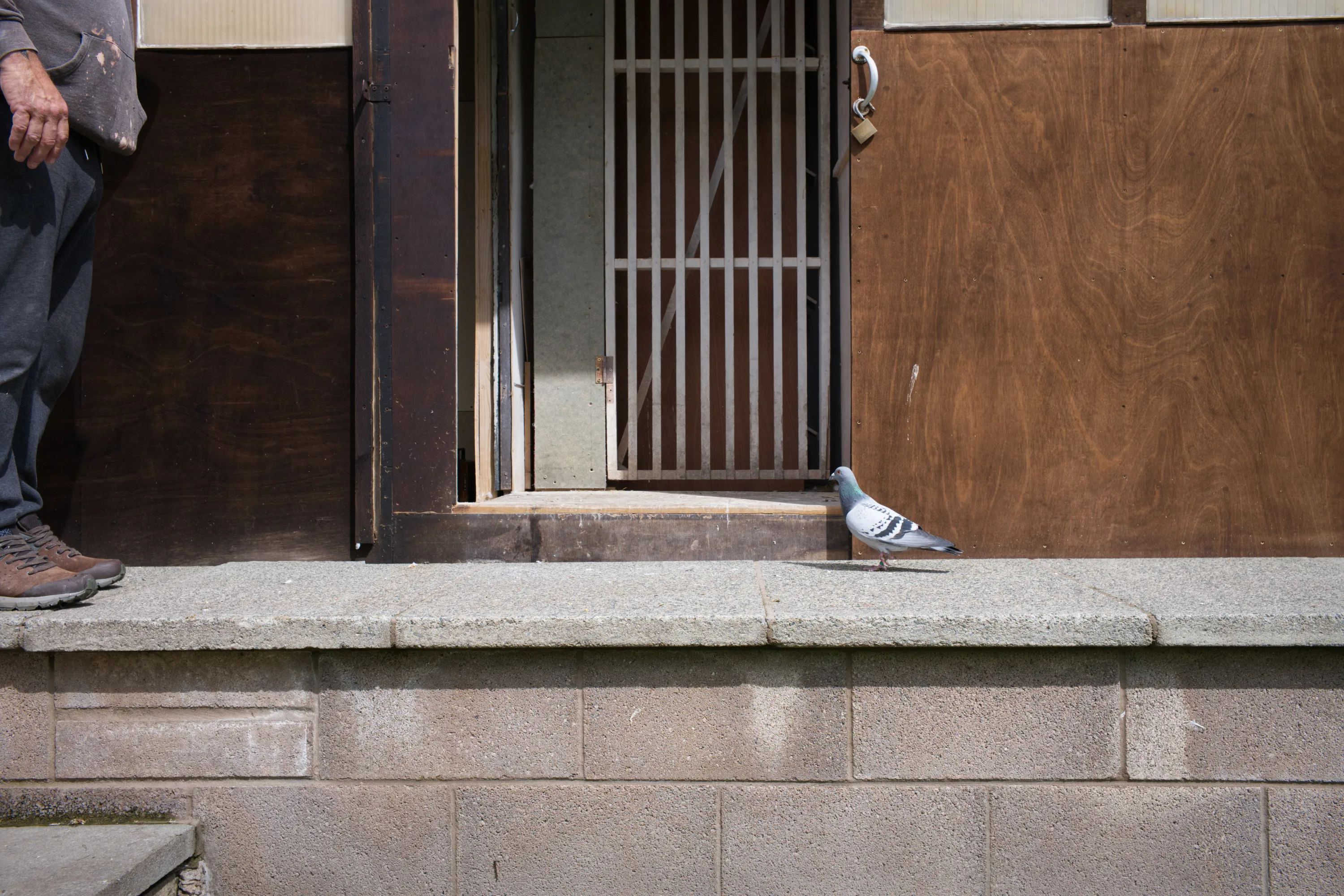
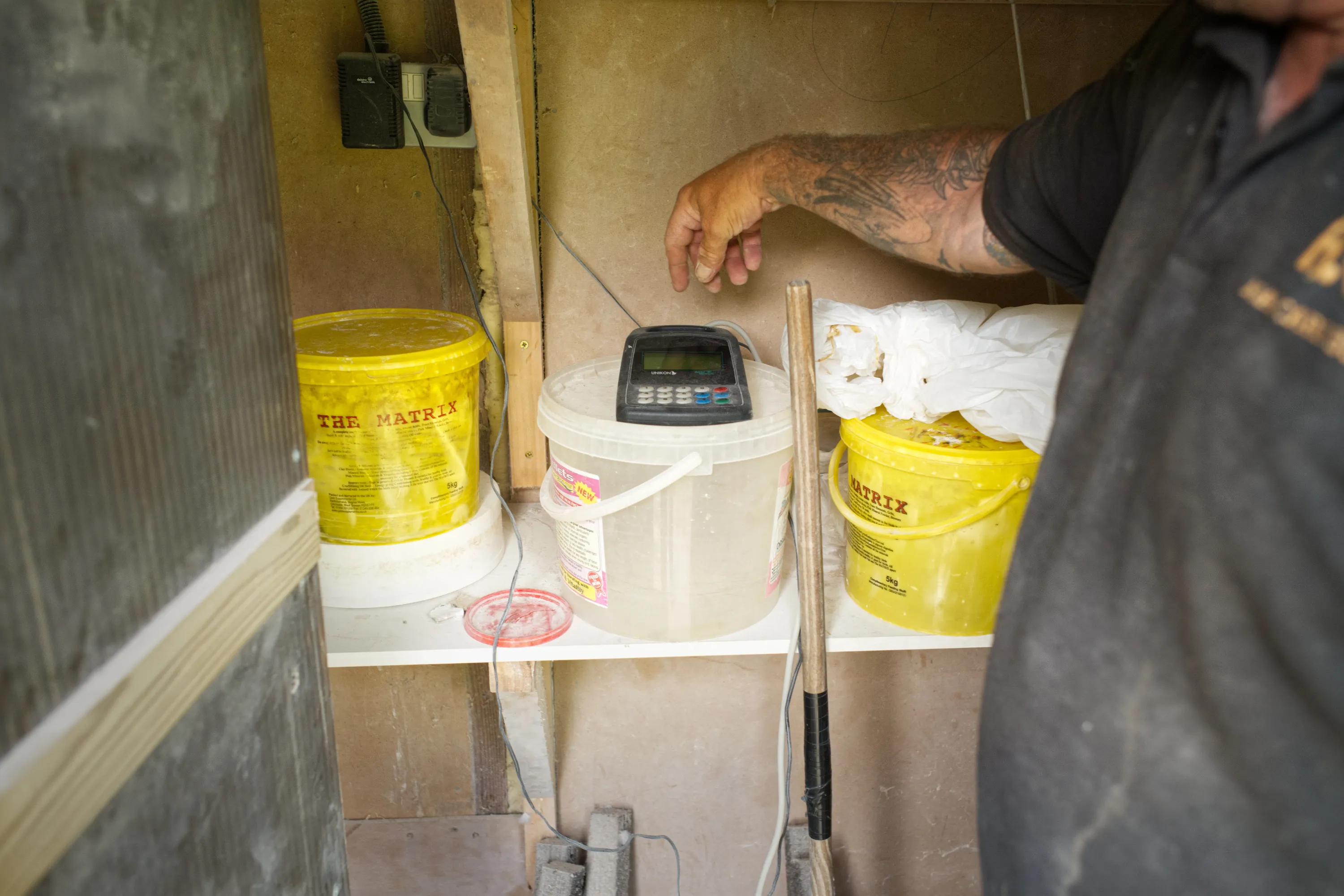
Modern pigeon racing developed during the industrial age, when railways allowed cost-effective transport of birds to distant liberation points and reliable mechanised clocks enabled accurate timekeeping. Today, most races use electronic timekeeping systems. Every bird is fitted with an RFID leg band and when they cross their home loft's threshold, it is read by a sensor. The winner is the bird with the fastest average speed.
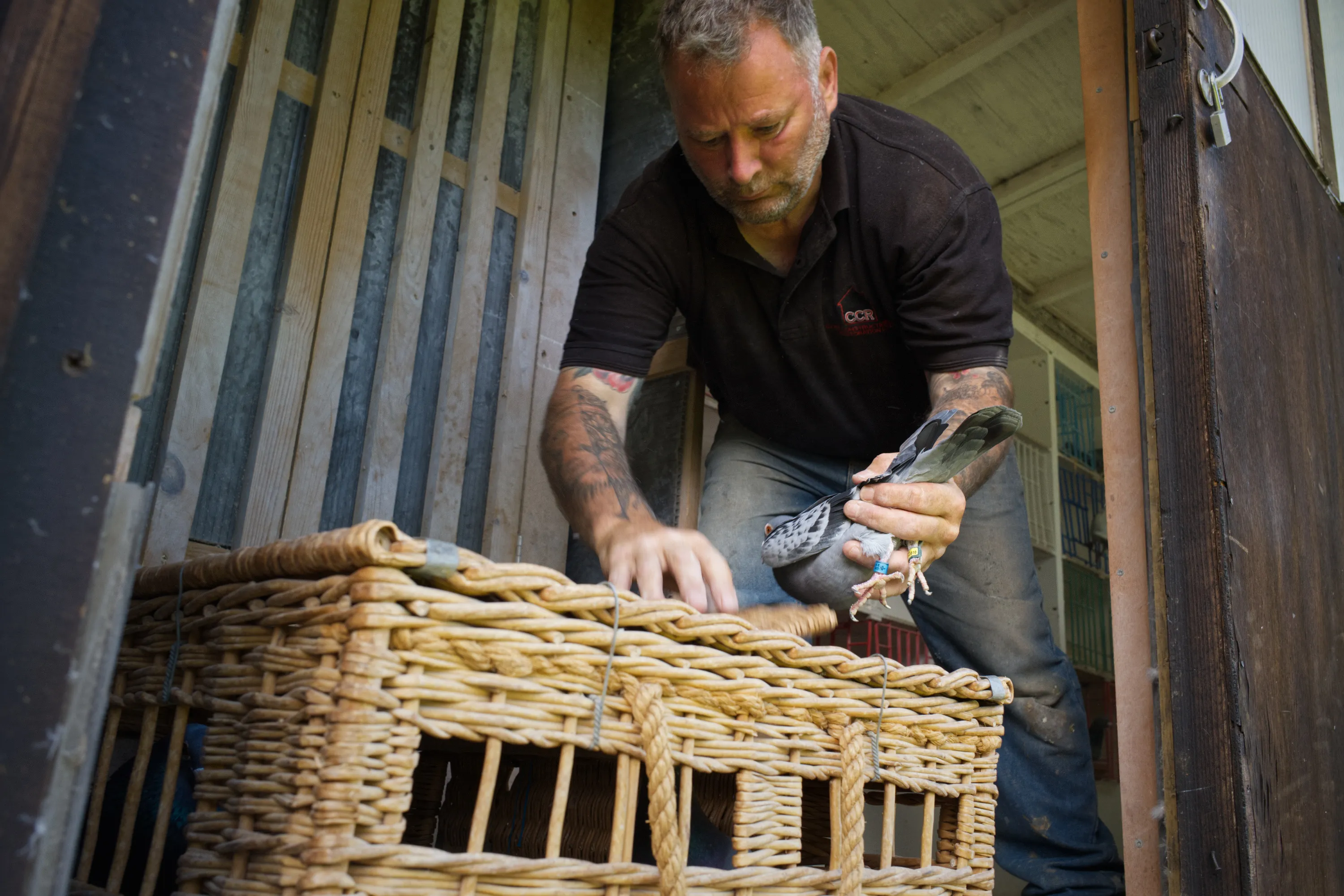
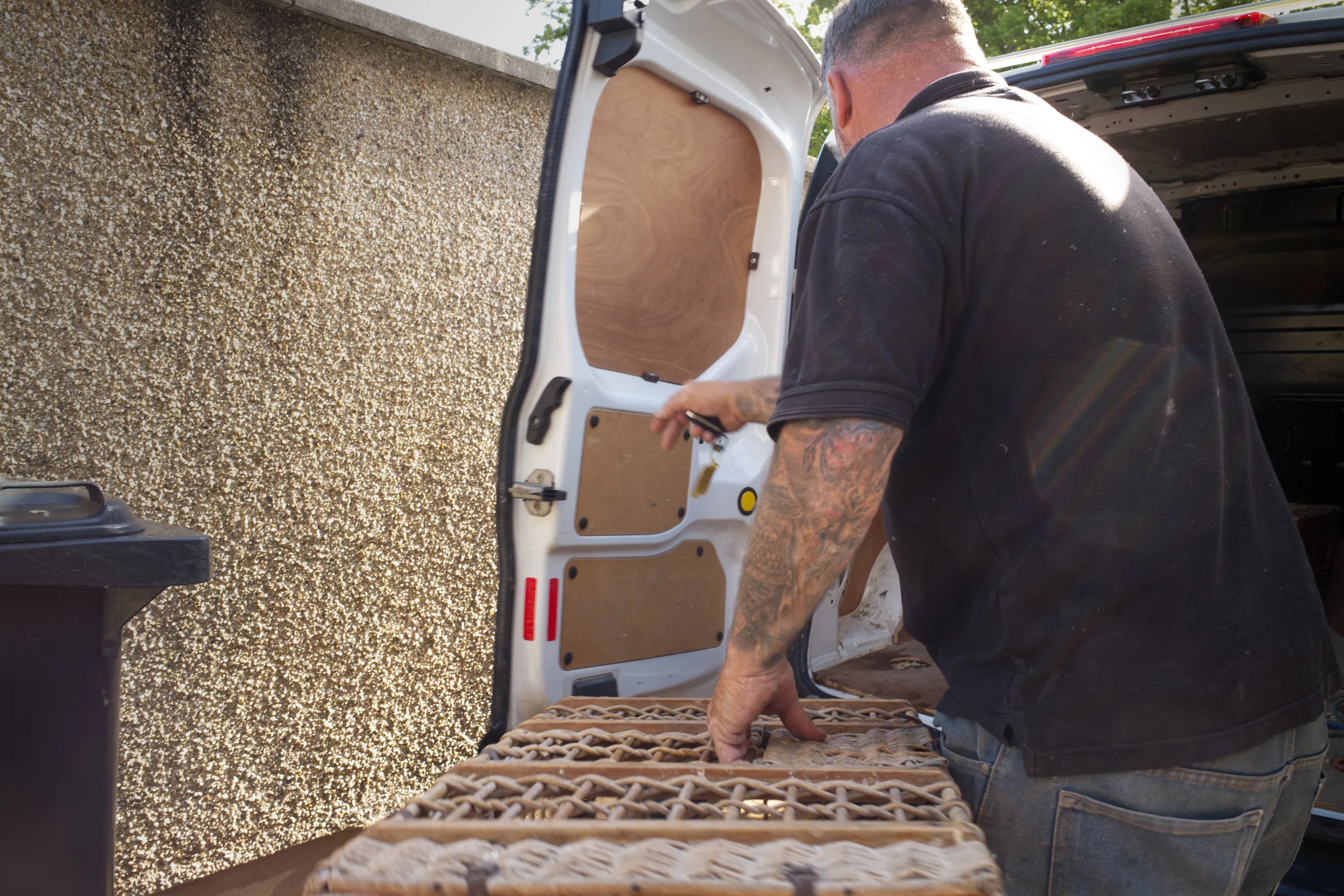
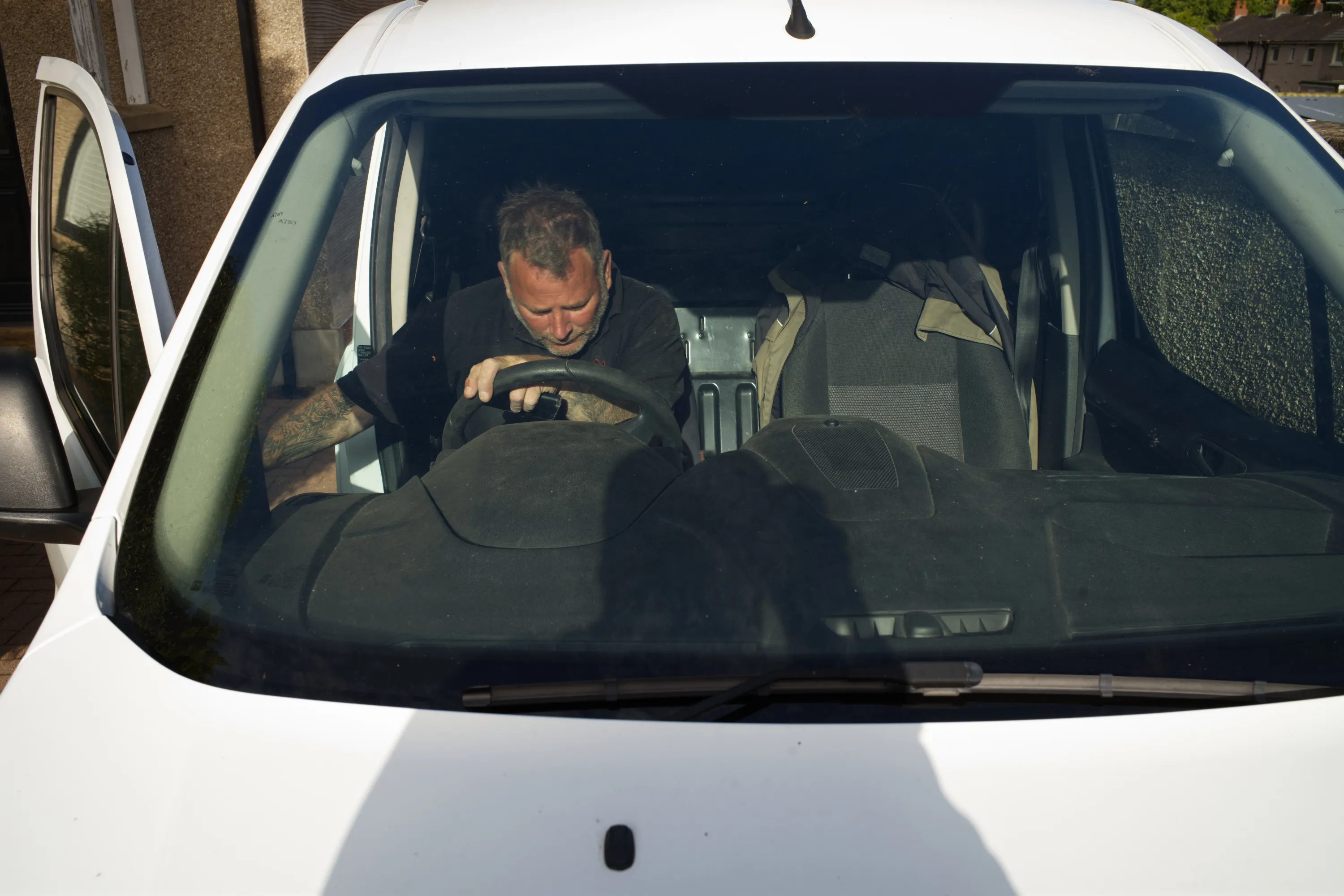
During racing season, from April to September, pigeons are basketed on Friday evening. Every bird carries a 'life ring', with a unique ID number, and an RFID leg band. The baskets are taken to a marking station, where every bird's ID is registered and its tag scanned. Competing birds are then put on a truck and driven to a liberation point where they are released early Saturday morning. Their journey back home typically ranges from 100 to 1,000 kilometres.
My host turned out to be a successful second-generation pigeon racer who has won national championships. He is a member of two local pigeon clubs and, every summer weekend, he usually enters birds into both clubs’ races. Like my Belgian acquaintance, his loft is meticulously tended and carries deep significance. As the final destination for every journey his pigeons make, it is the centre of his world. All their flight paths point back to it, like the spokes of a wheel come together at the hub.
The loft is also where pigeons are bred, fed, cared for, and trained. During racing season, it is where the birds are basketed before they are transported to a faraway liberation point. One or two days later, it is where the pigeon racer waits in anxious anticipation for their return. It is a place of elation at a possible winning time and of disappointment on a slow return, or worse still, no return.
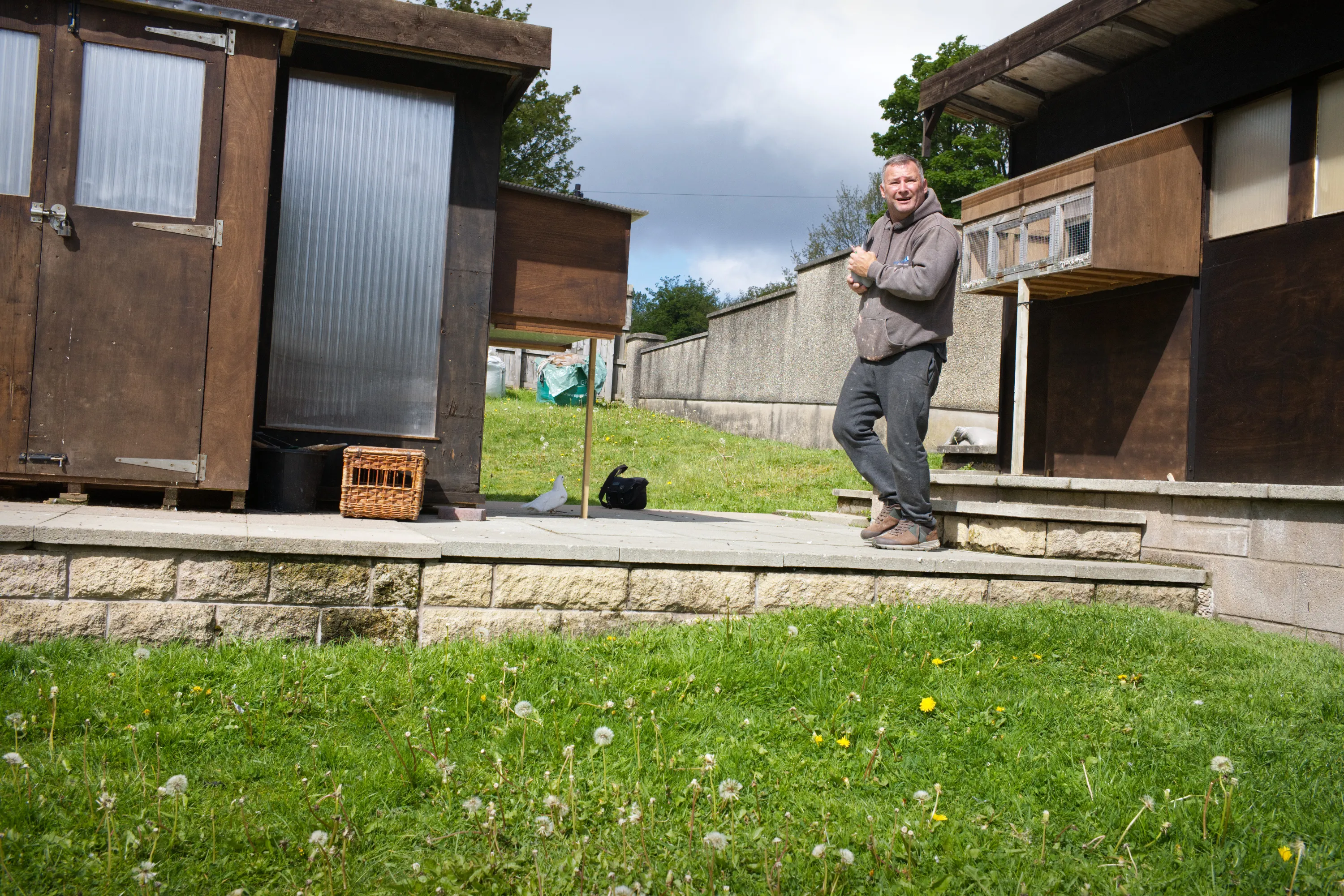
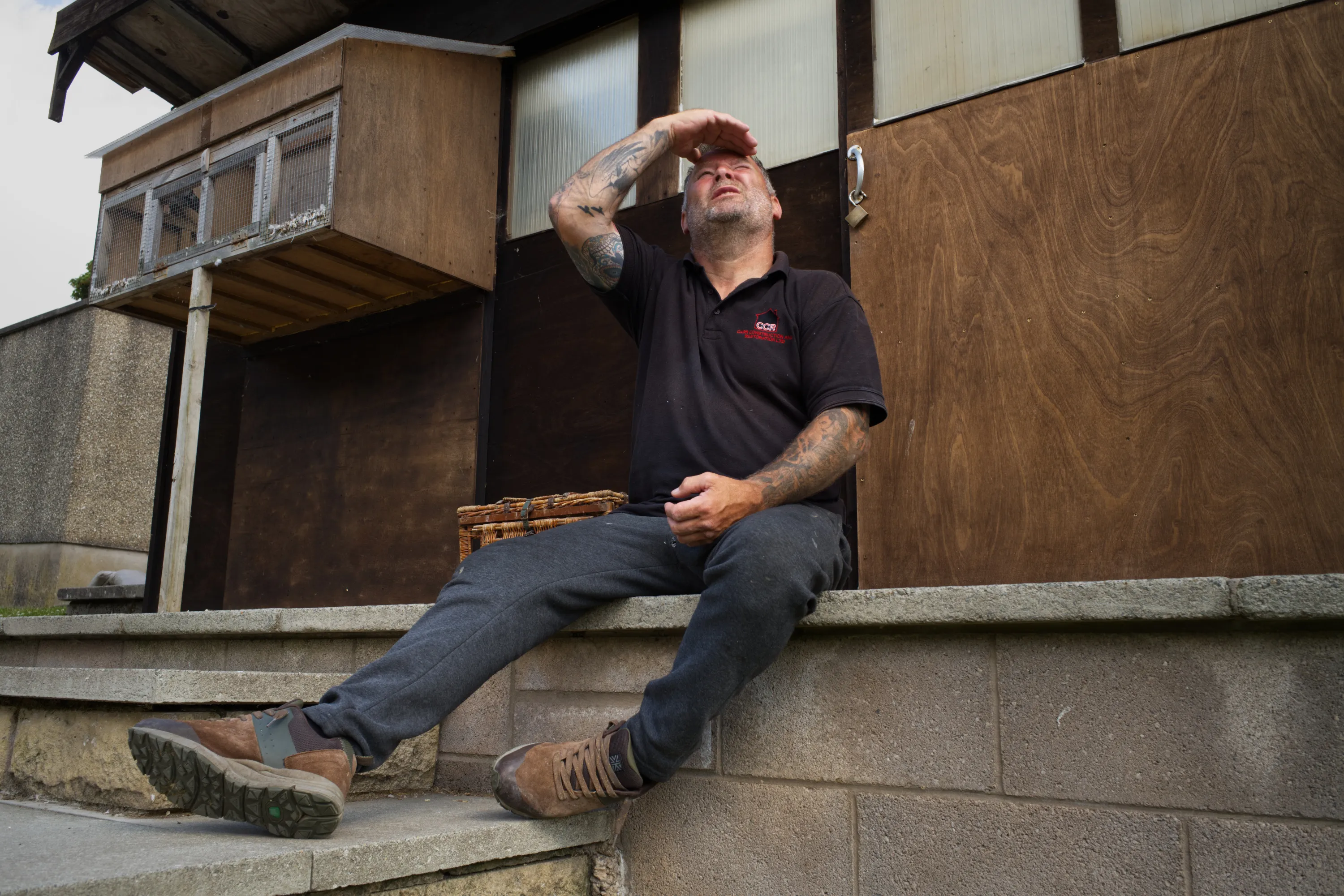
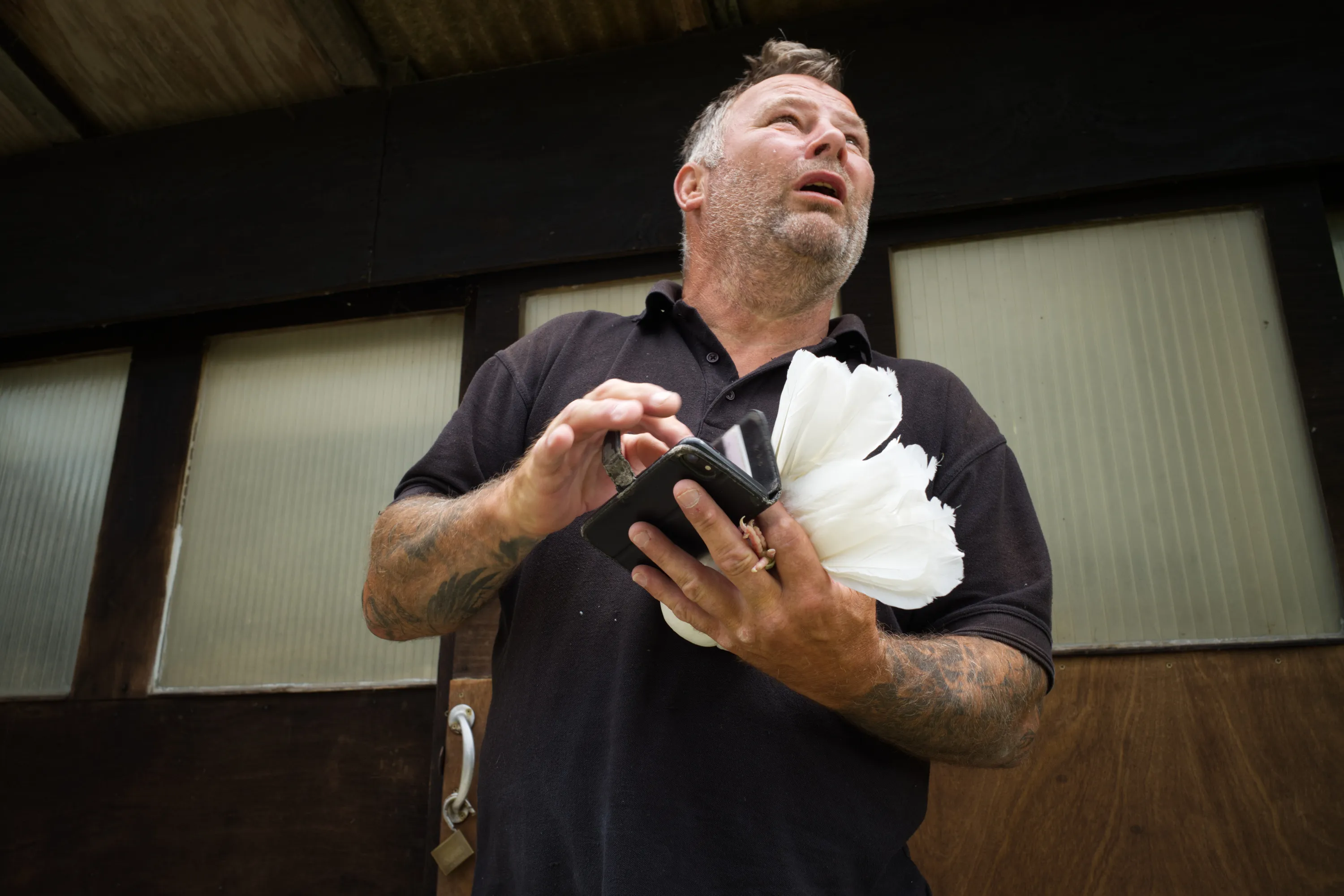
On Saturday, the pigeon racer waits with nervous tension for his birds' return. He repeatedly scans the horizon hoping to catch sight of the first pinpricks of returning pigeons. He also phones fellow racers closer to the start of the race to hear if their birds are back. This gives him an idea of the race speed and when to expect his birds' return.
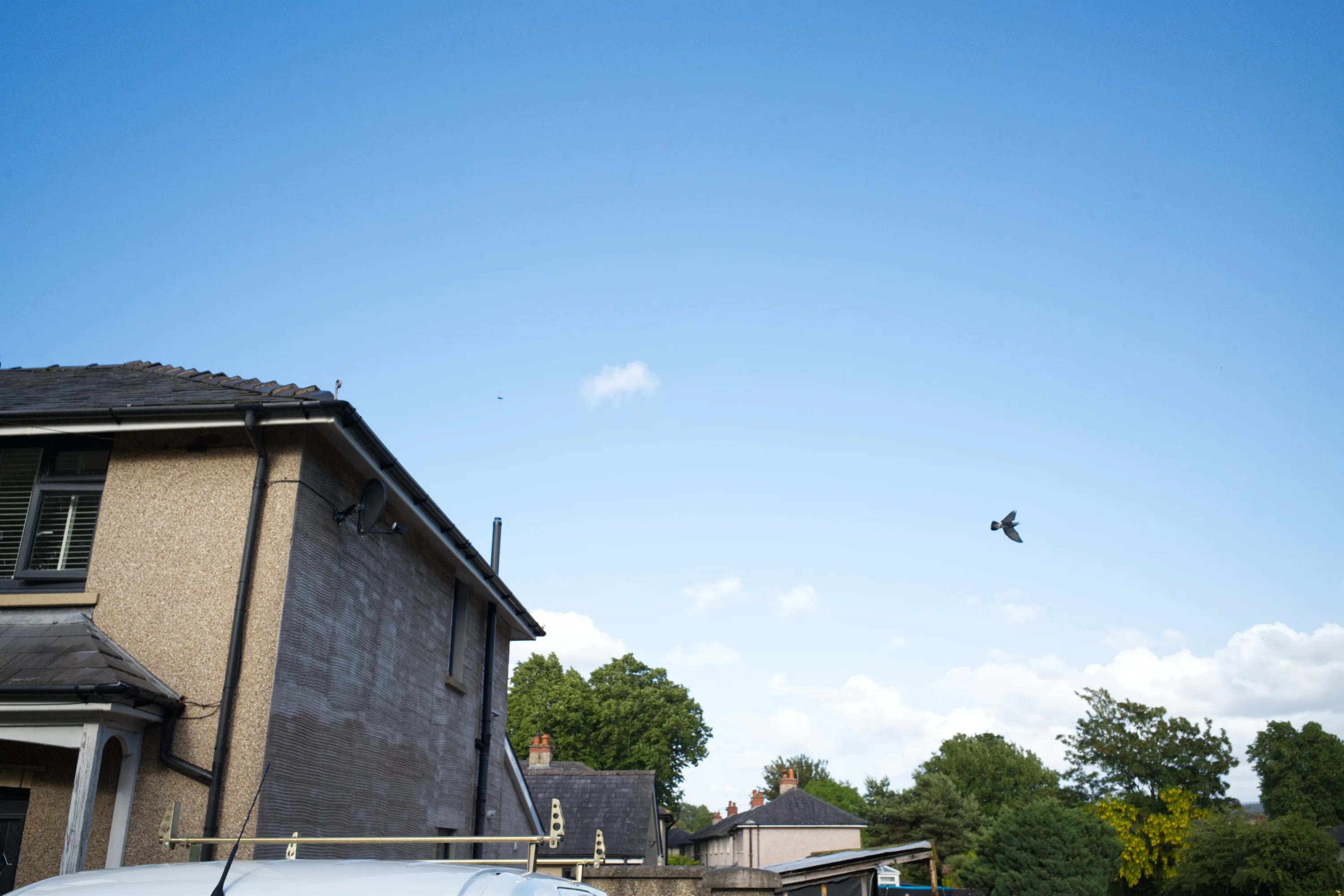
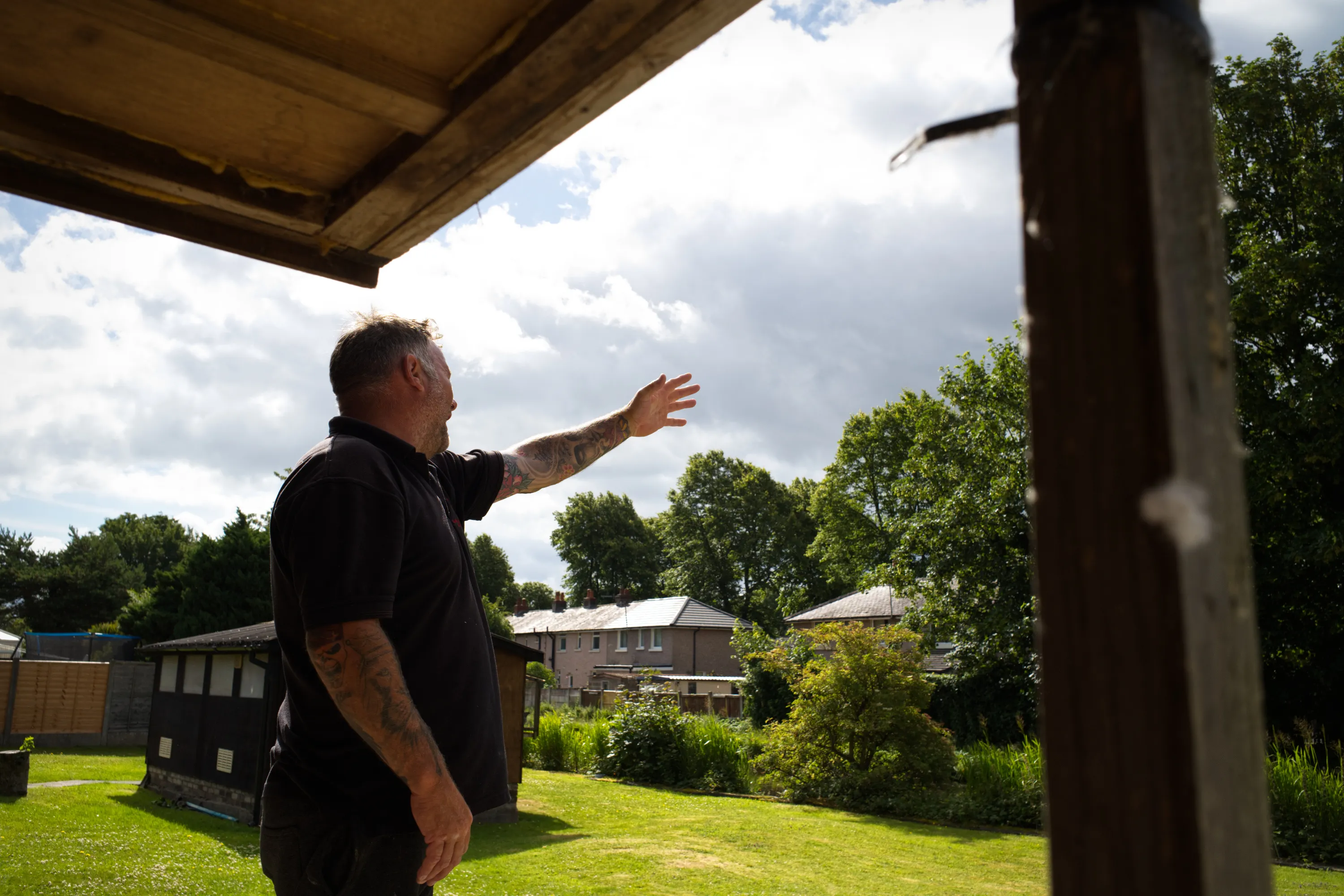
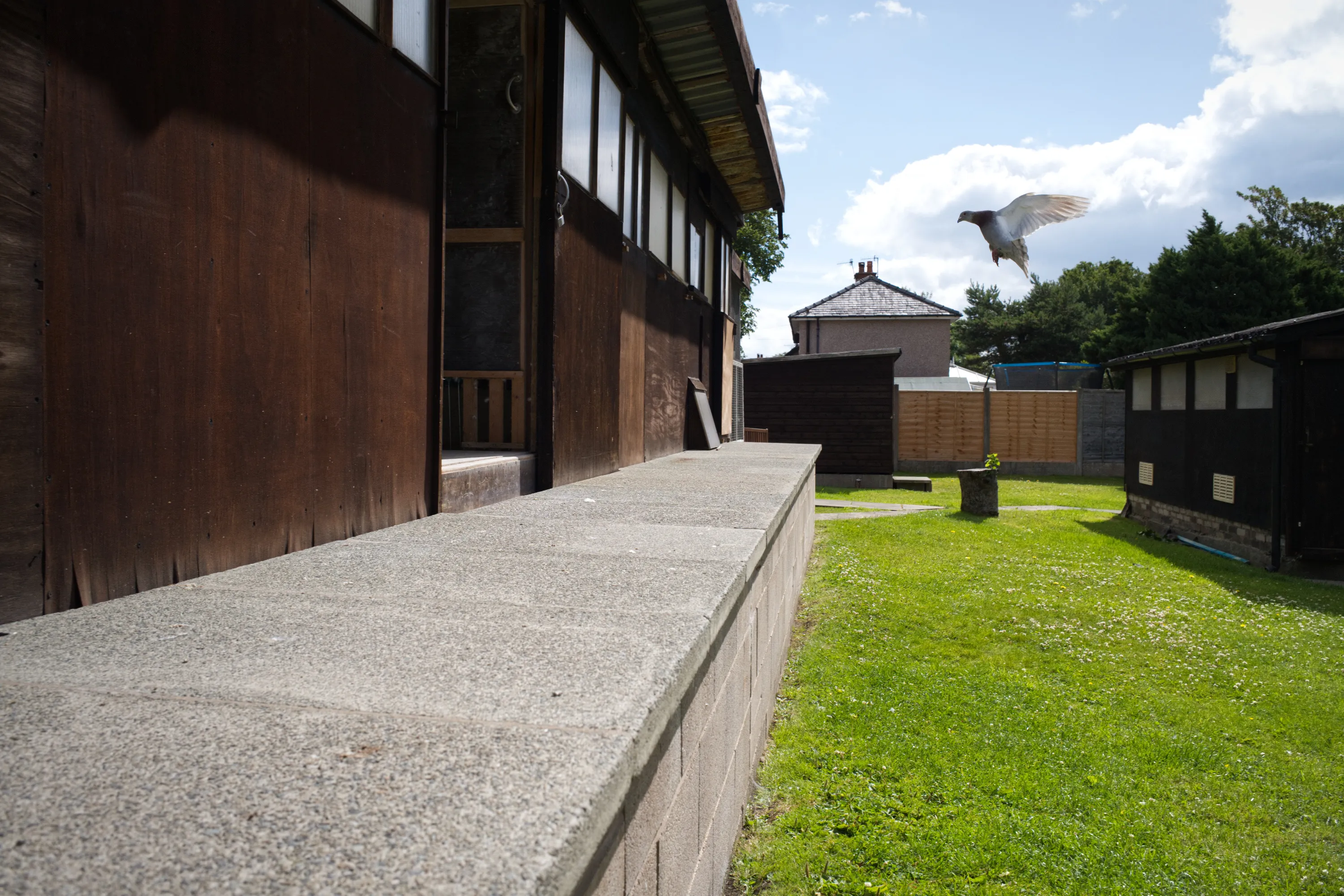
There is great excitement when the first silhouettes are spotted in the sky. Pigeons from different lofts often travel in a bunch and the pigeon racer calls to encourage his birds to break away and head straight back home. A slight hesitation or an unnecessary circle in the sky can lose a race. Official race results will be released a few days later, but while the pigeon racer's own calculations suggest a possible win, there is hope.
Homing pigeons captured my imagination because it all seems so unlikely. It seems improbable that, with the freedom of flight, the birds fly straight back home, even when released hundreds of kilometres away. It also seems implausible that, with all the hazards along the way, they actually make it. I maintain that this must be at the core of why the birds so enthral their owners.
Most of all, pigeon racing is a metaphor. The pigeons’ return reaffirms being bound to a place and reasserts the certainty of the idea of home. The ambition and hope that the birds’ return embody for the racer, precisely because it seems so unlikely, is really no different from the aspirations that we all chase. In this sense, Portrait of a Pigeon Racer could be a characterisation of any one of us.
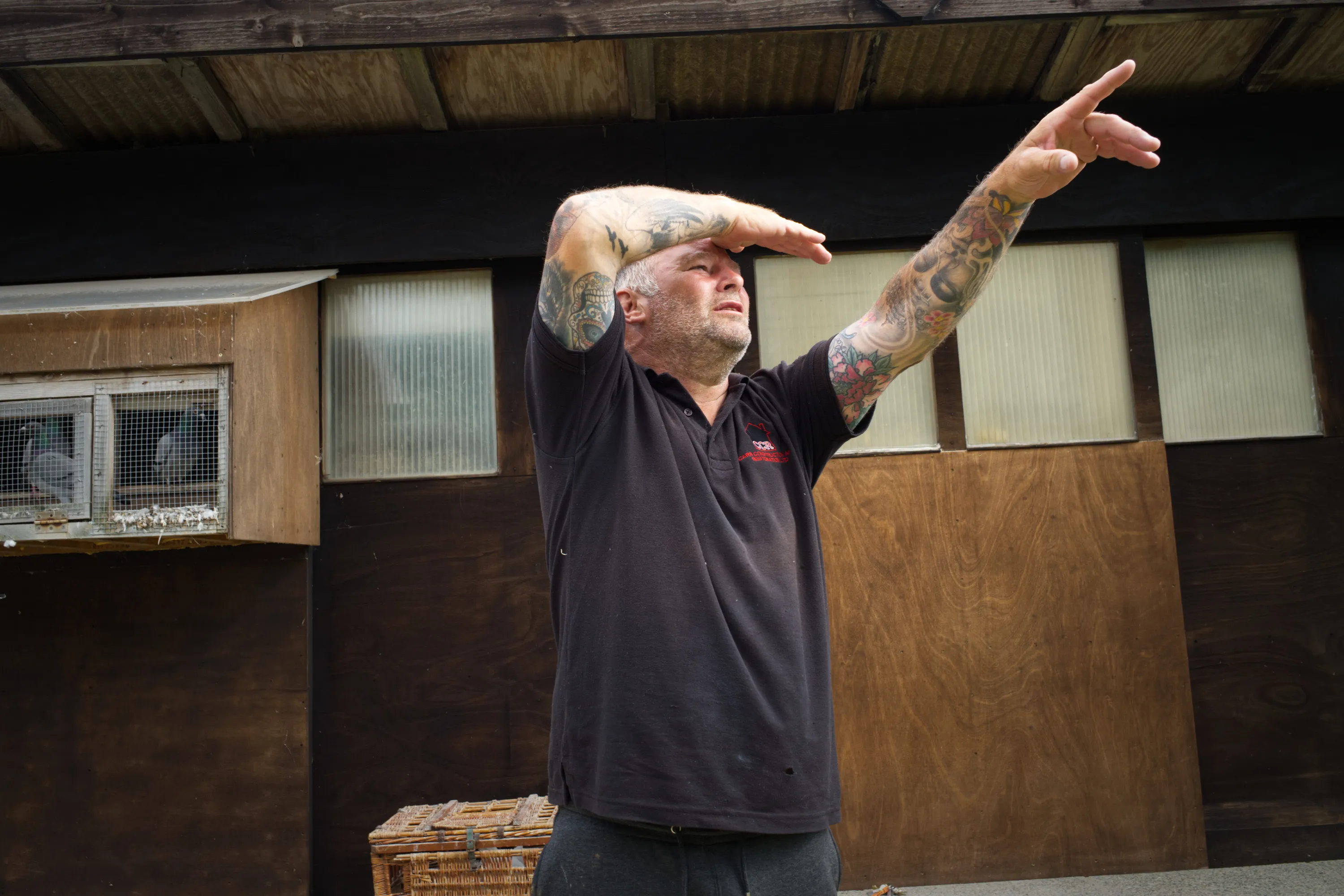
Portrait of a pigeon racer. Like his birds, he is bound to this place, his loft.
Acknowledgements
My sincere thanks go to G.T., who welcomed a stranger at his door and who hosted me for many weeks, and to L.V., who introduced me to it all.