Sediments: Provenance of the Brick
2025
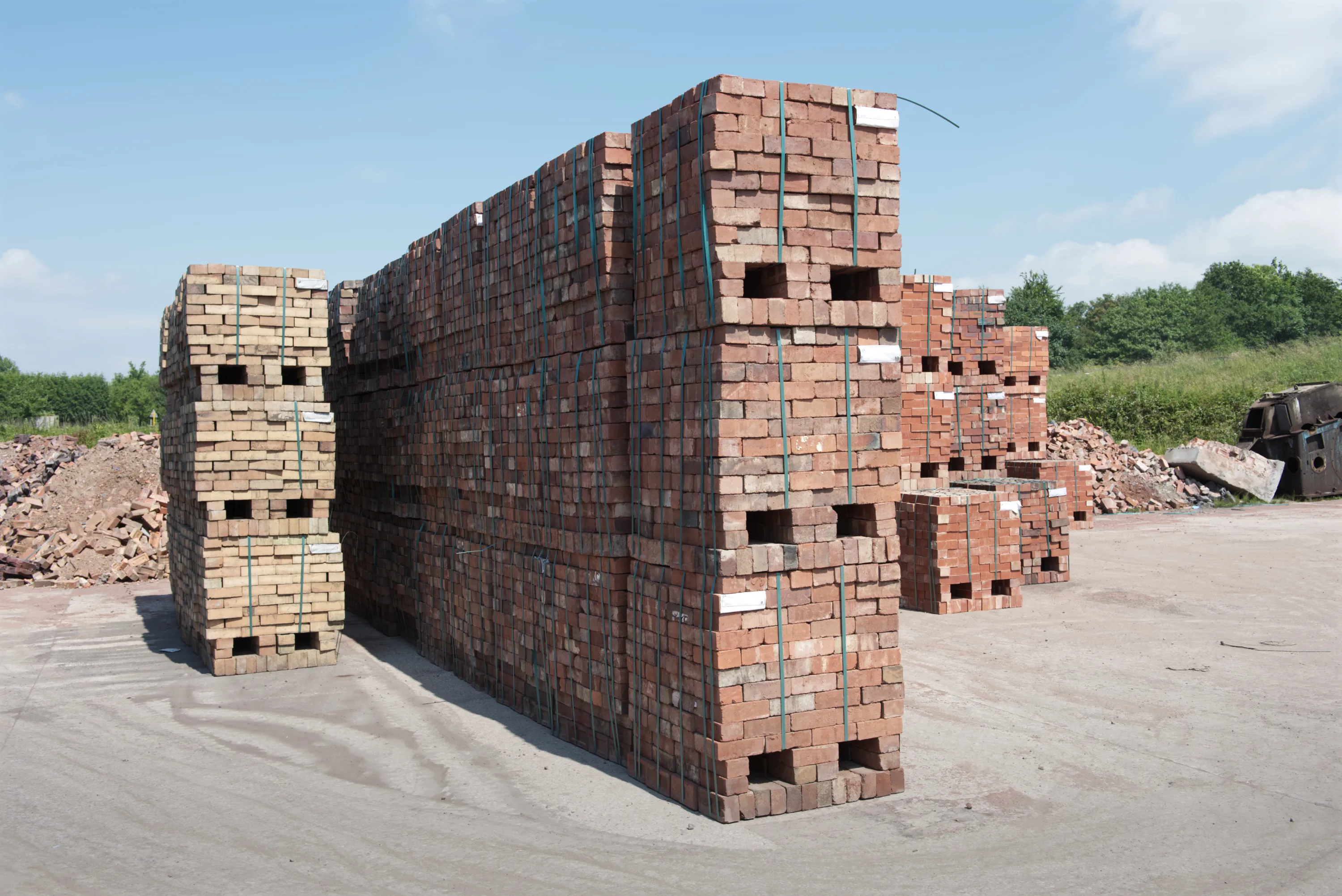
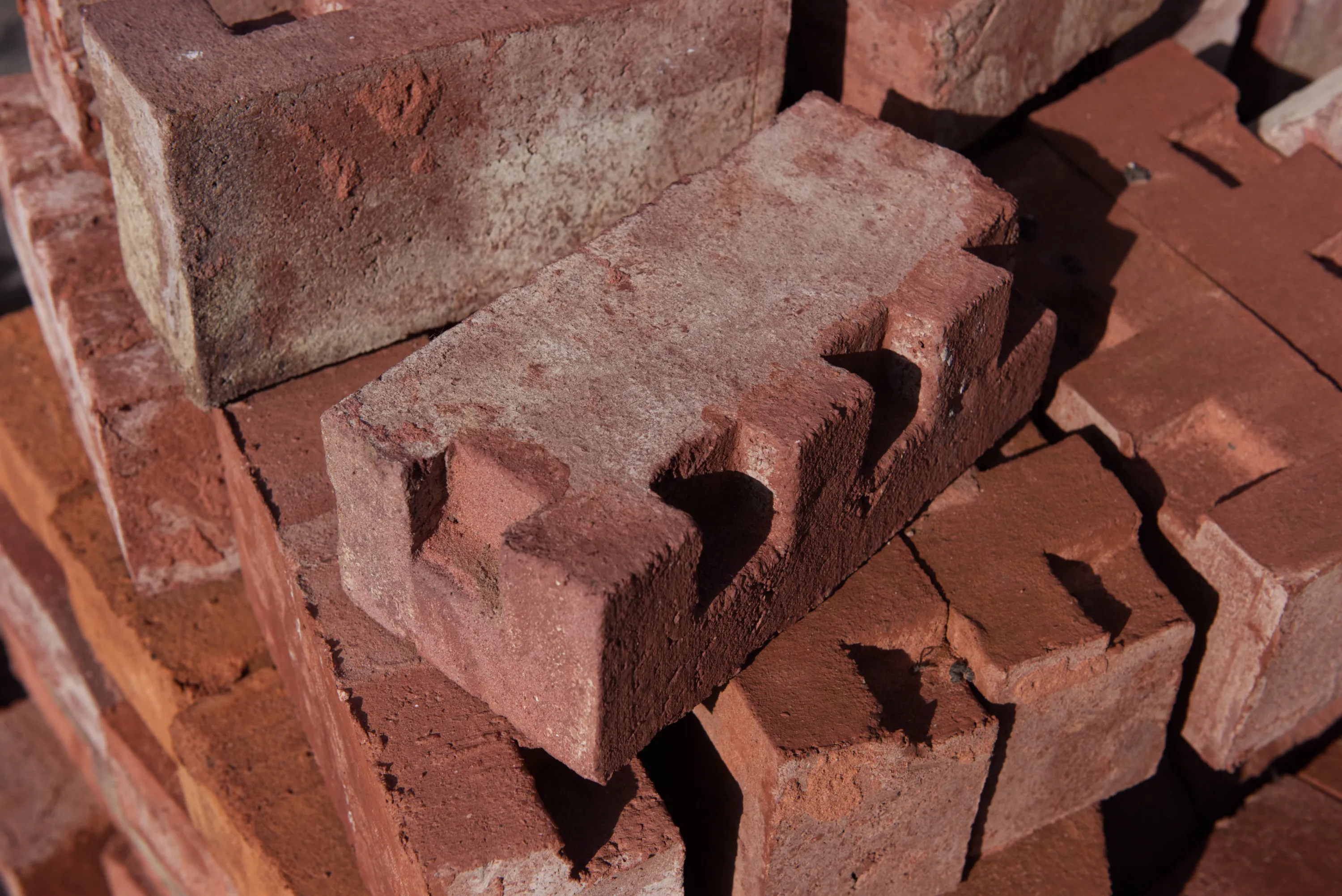
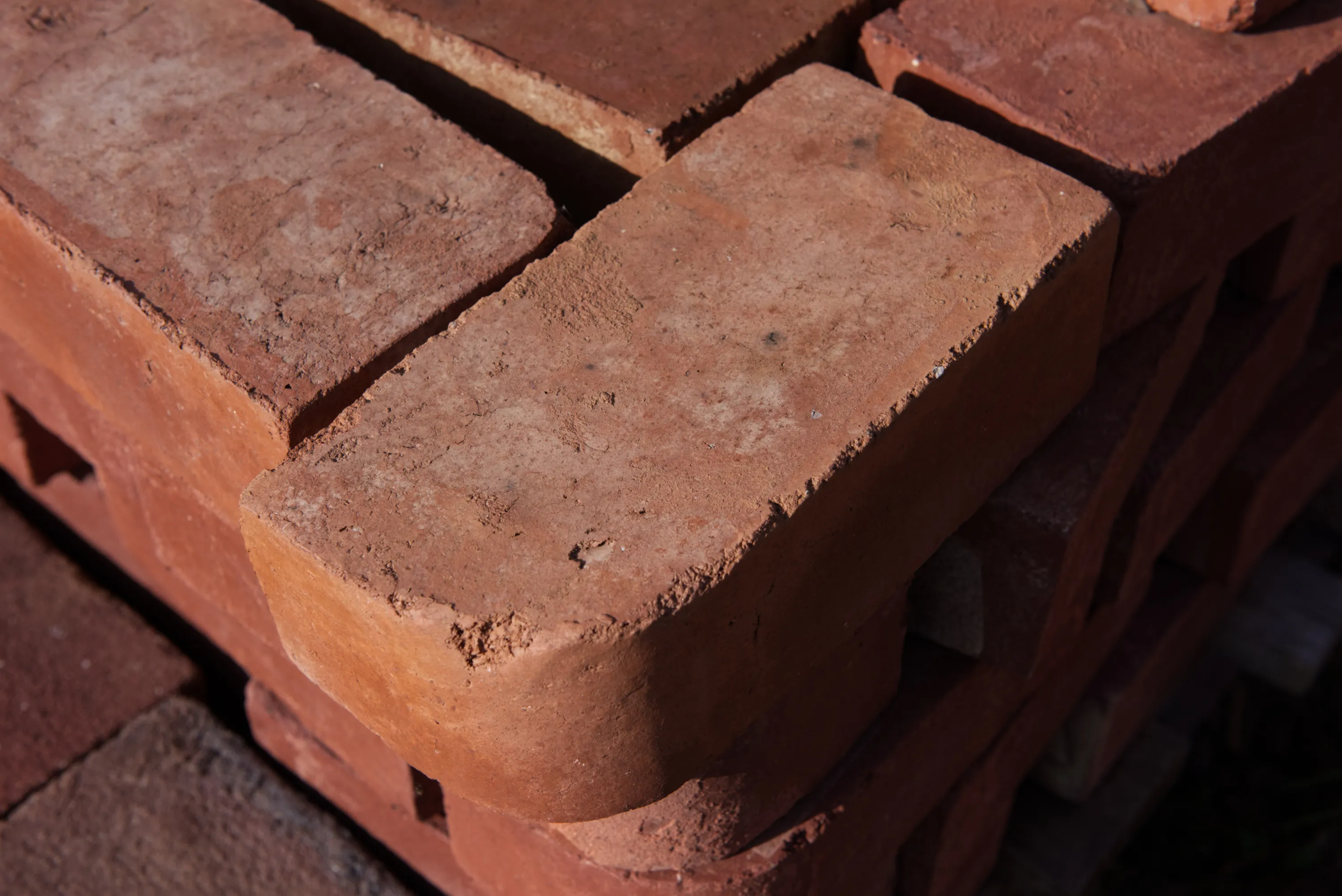
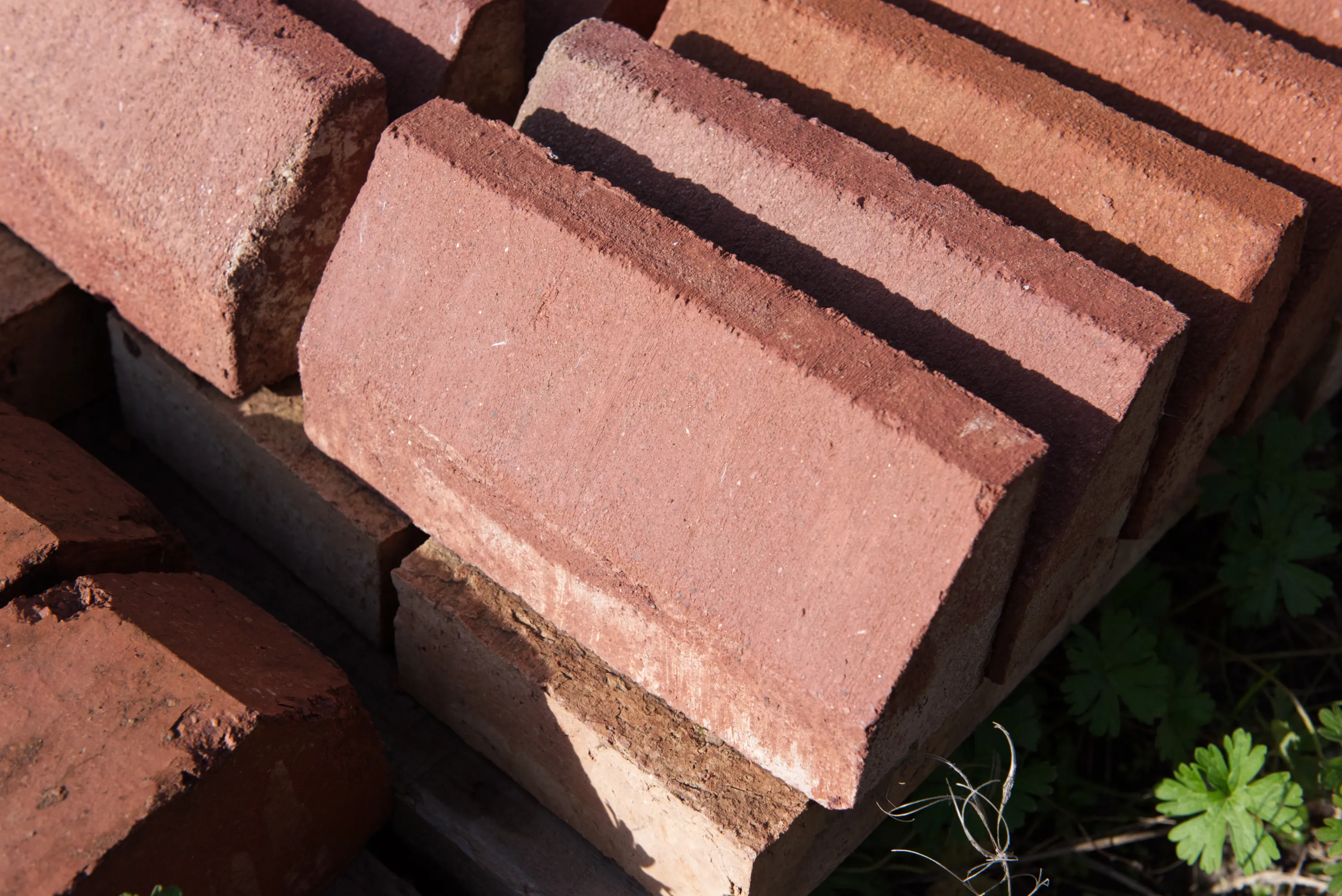
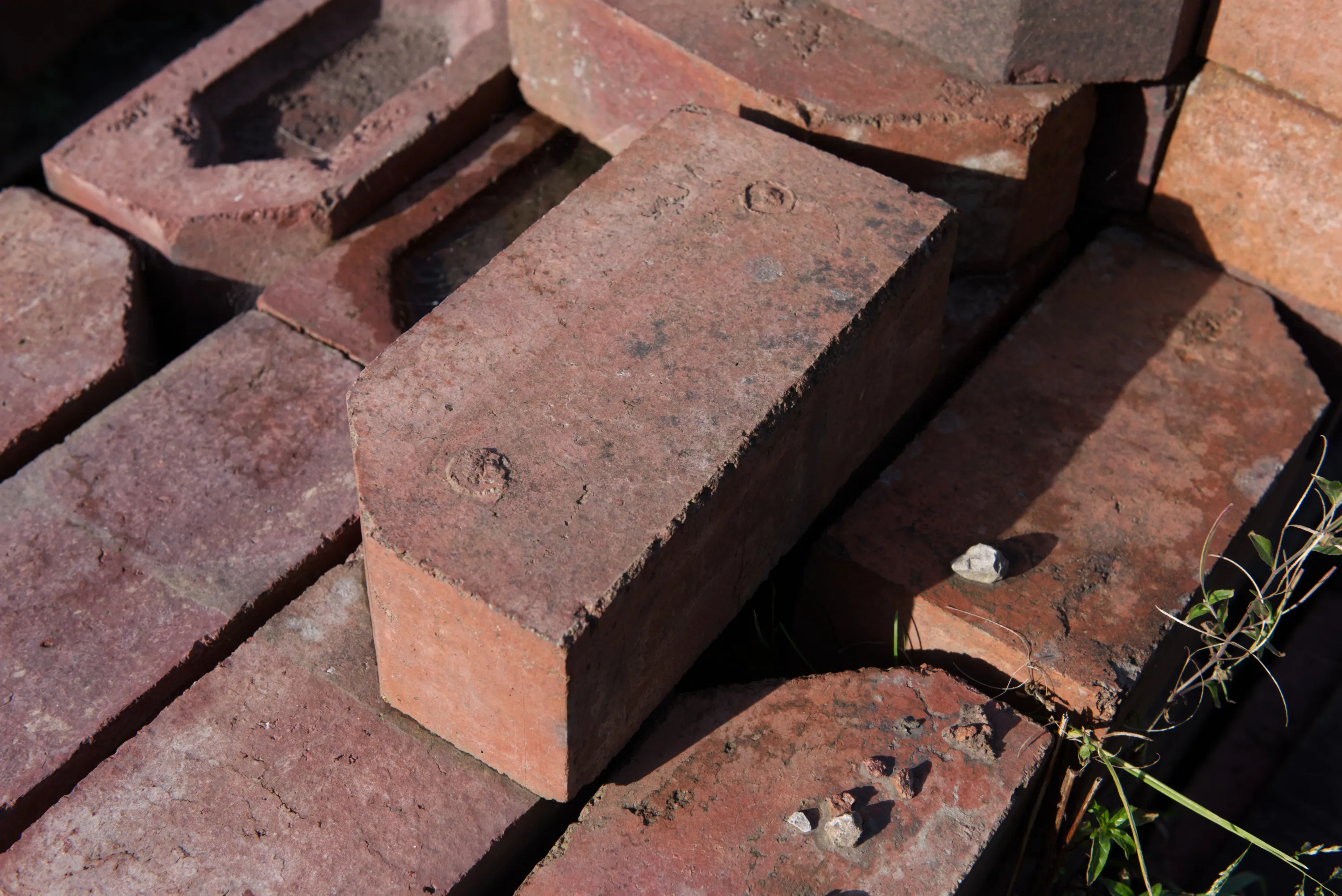
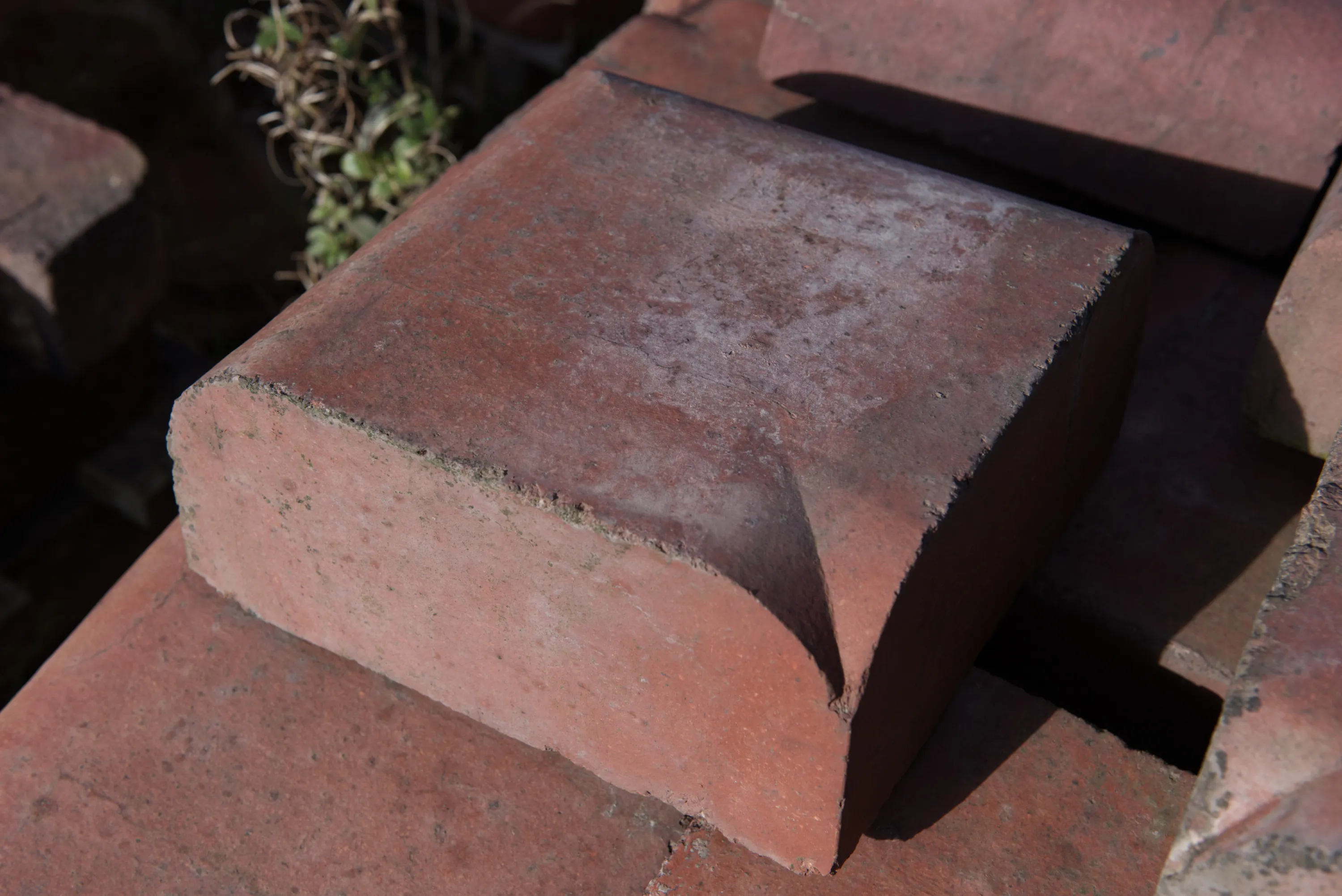
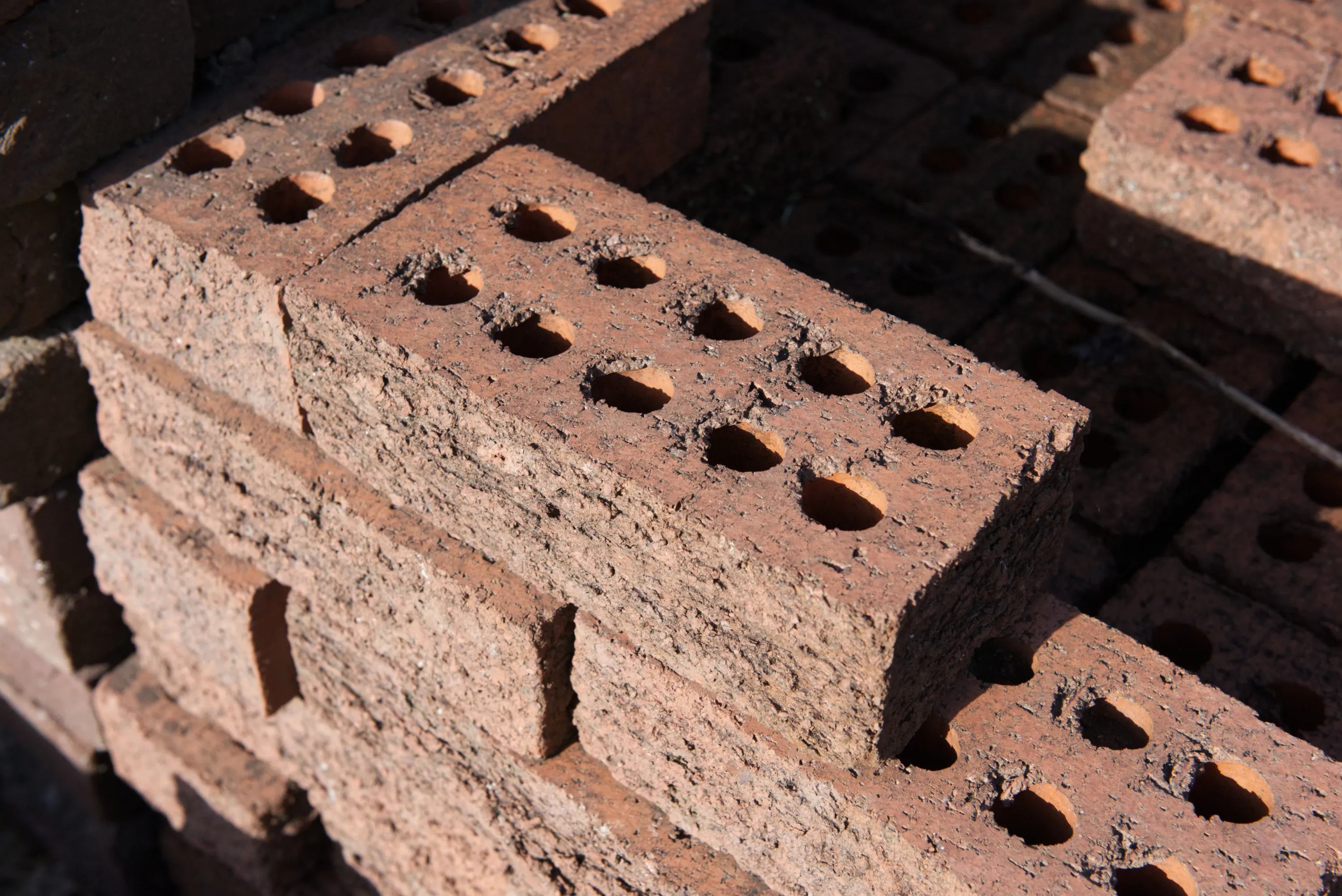
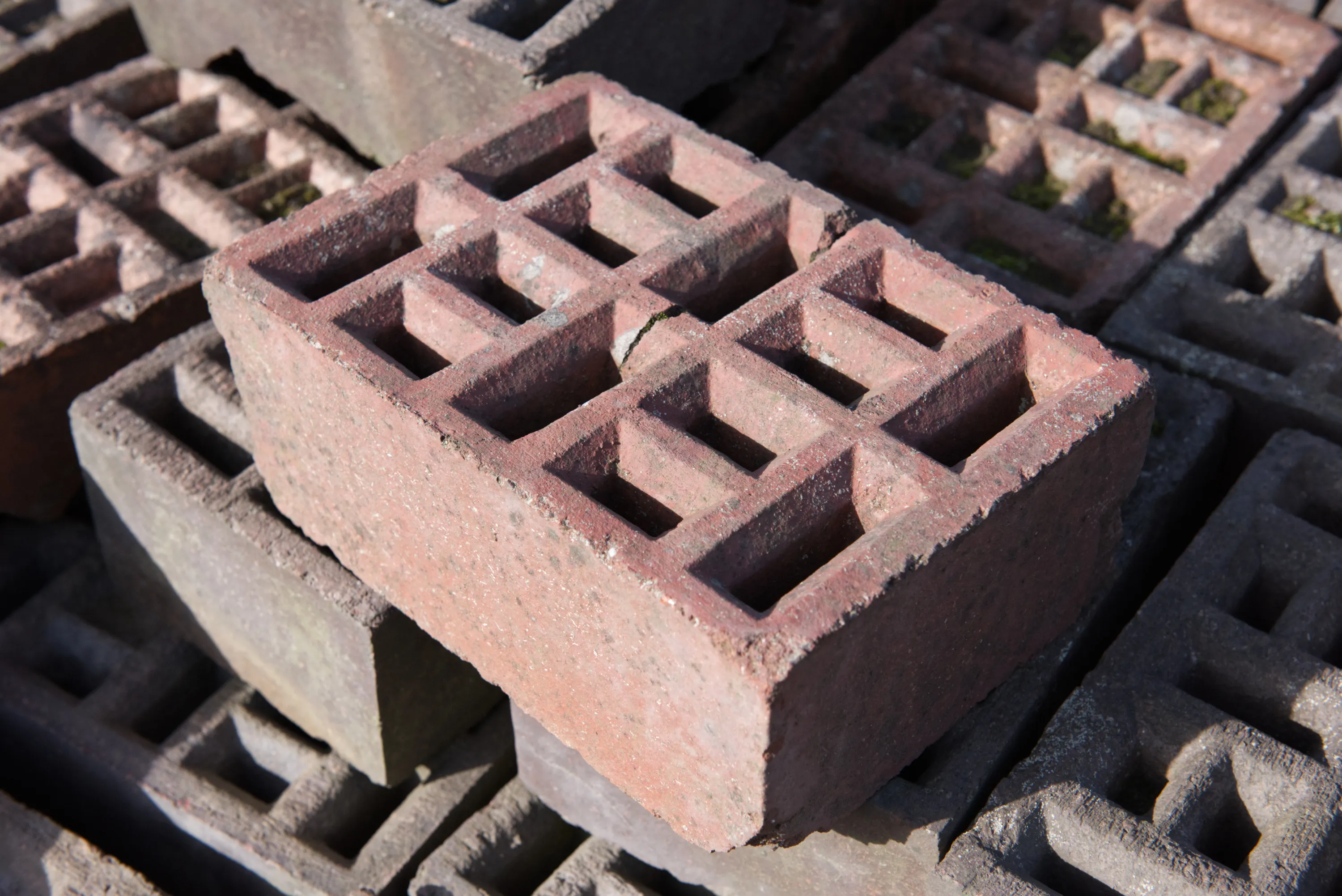
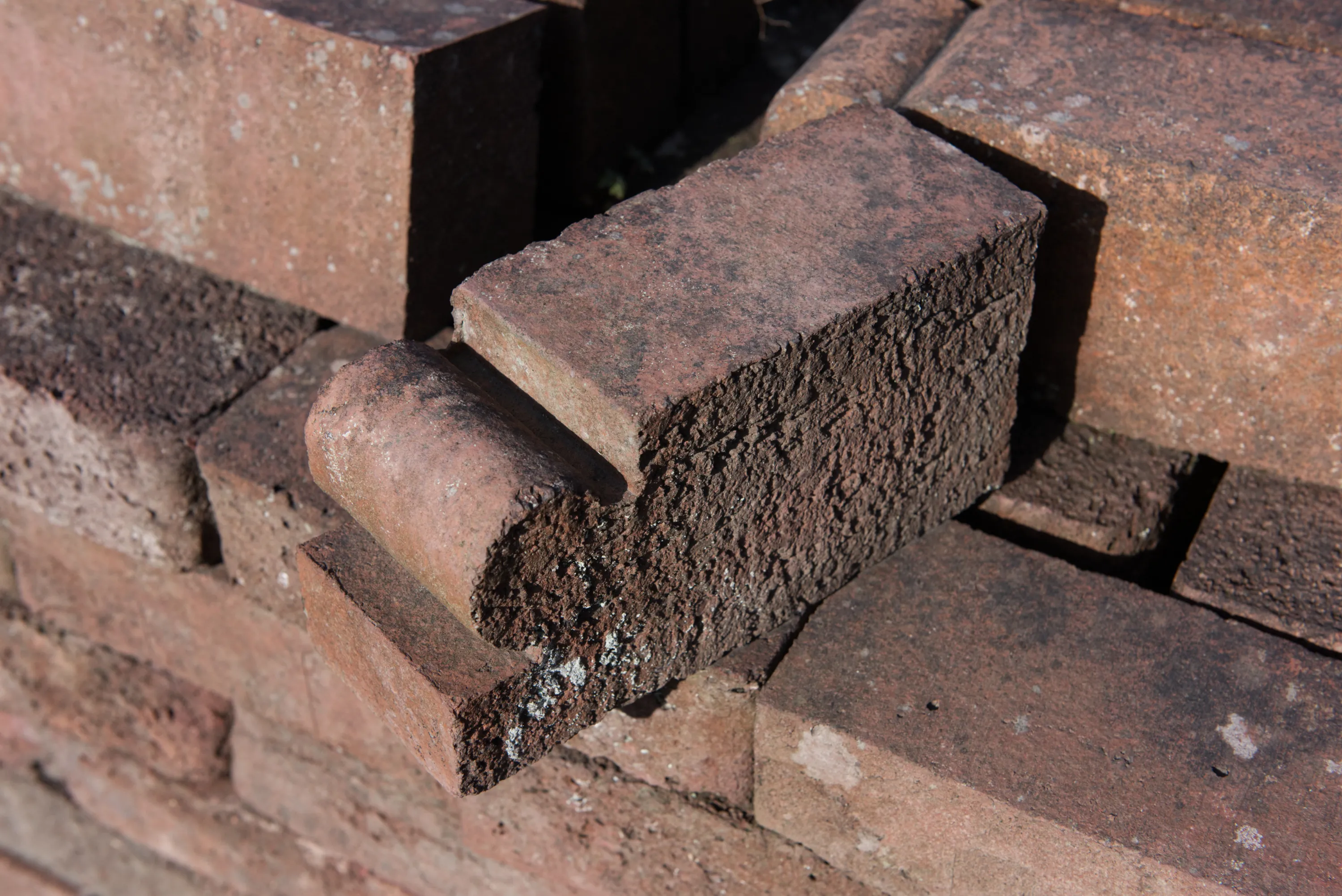
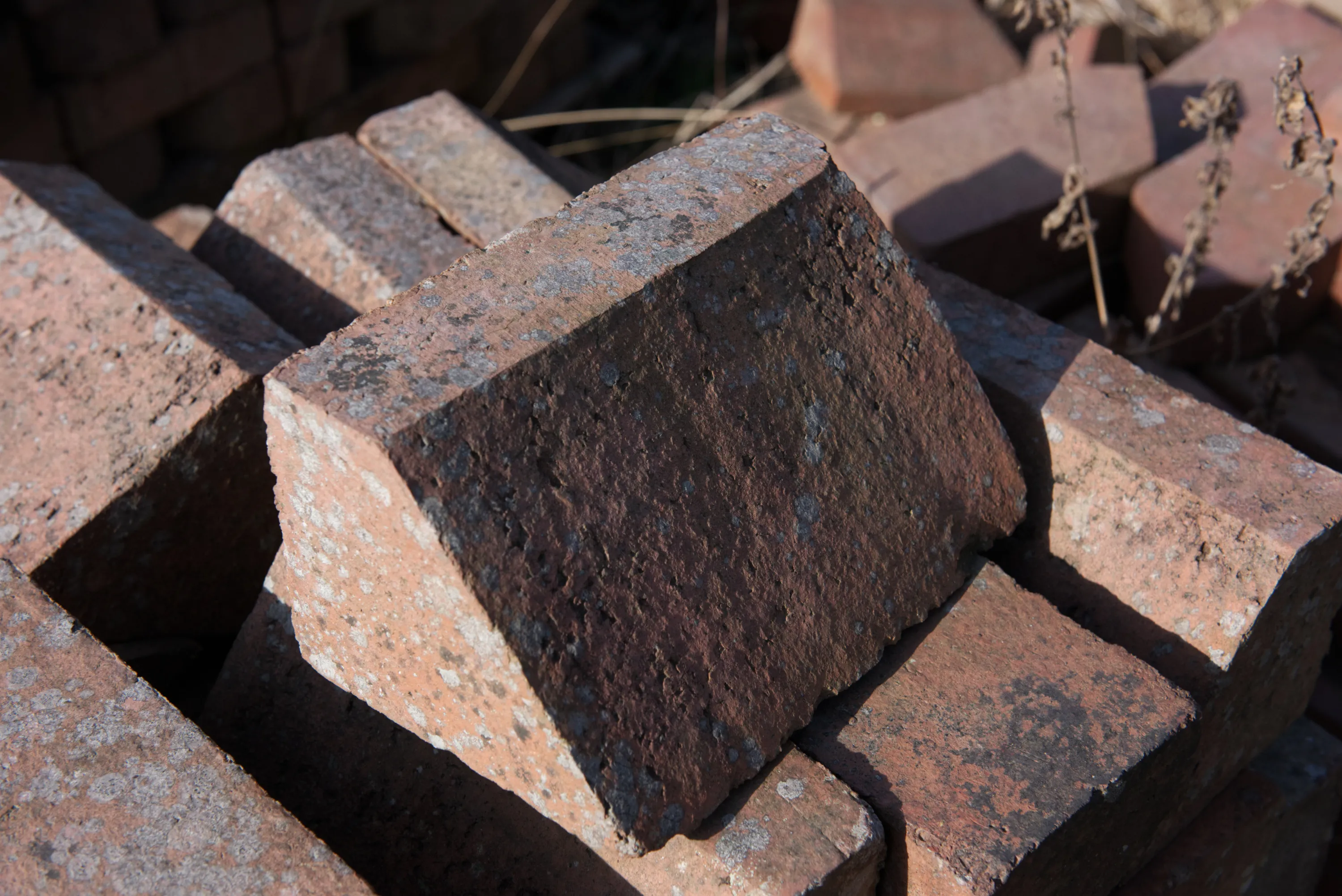
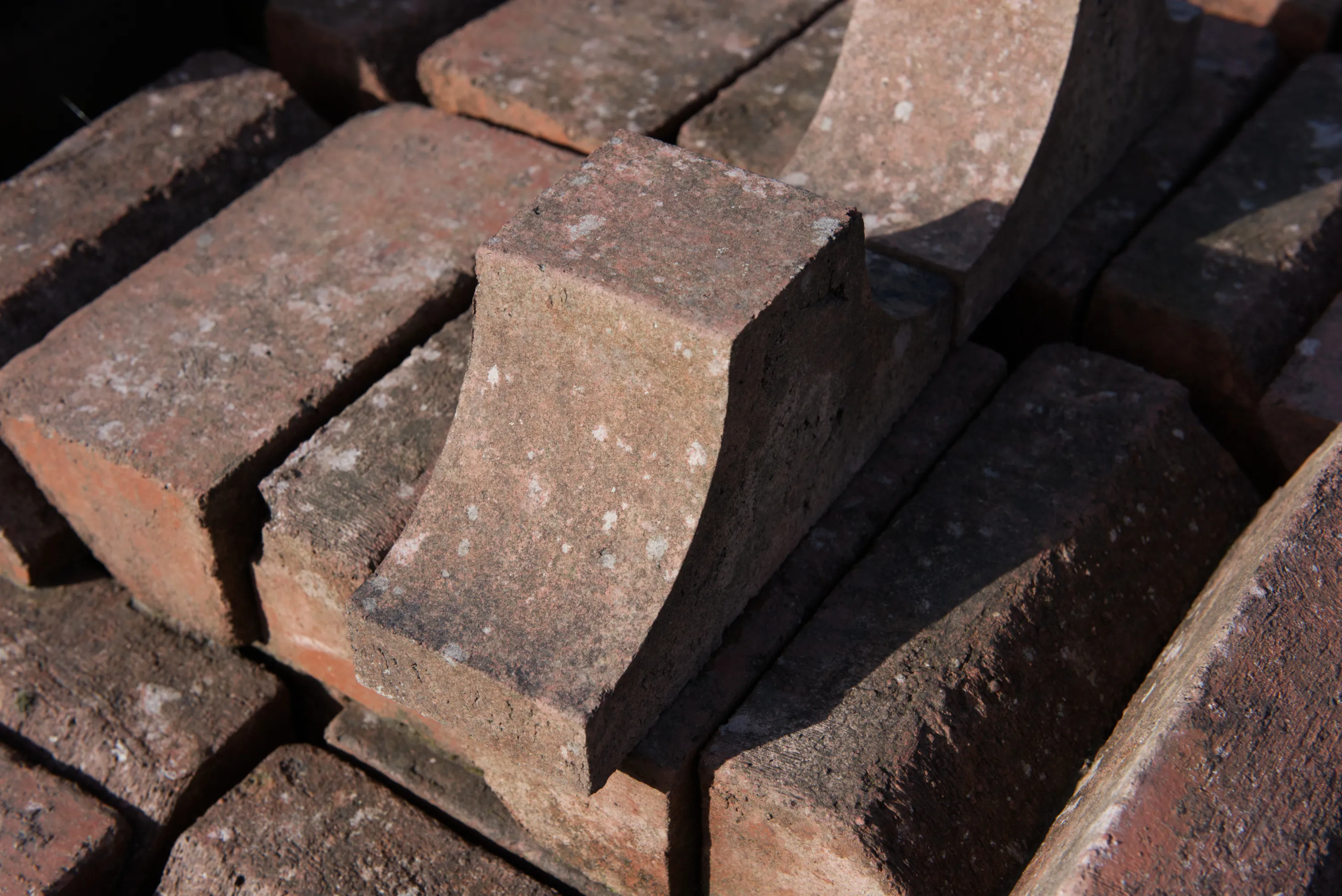
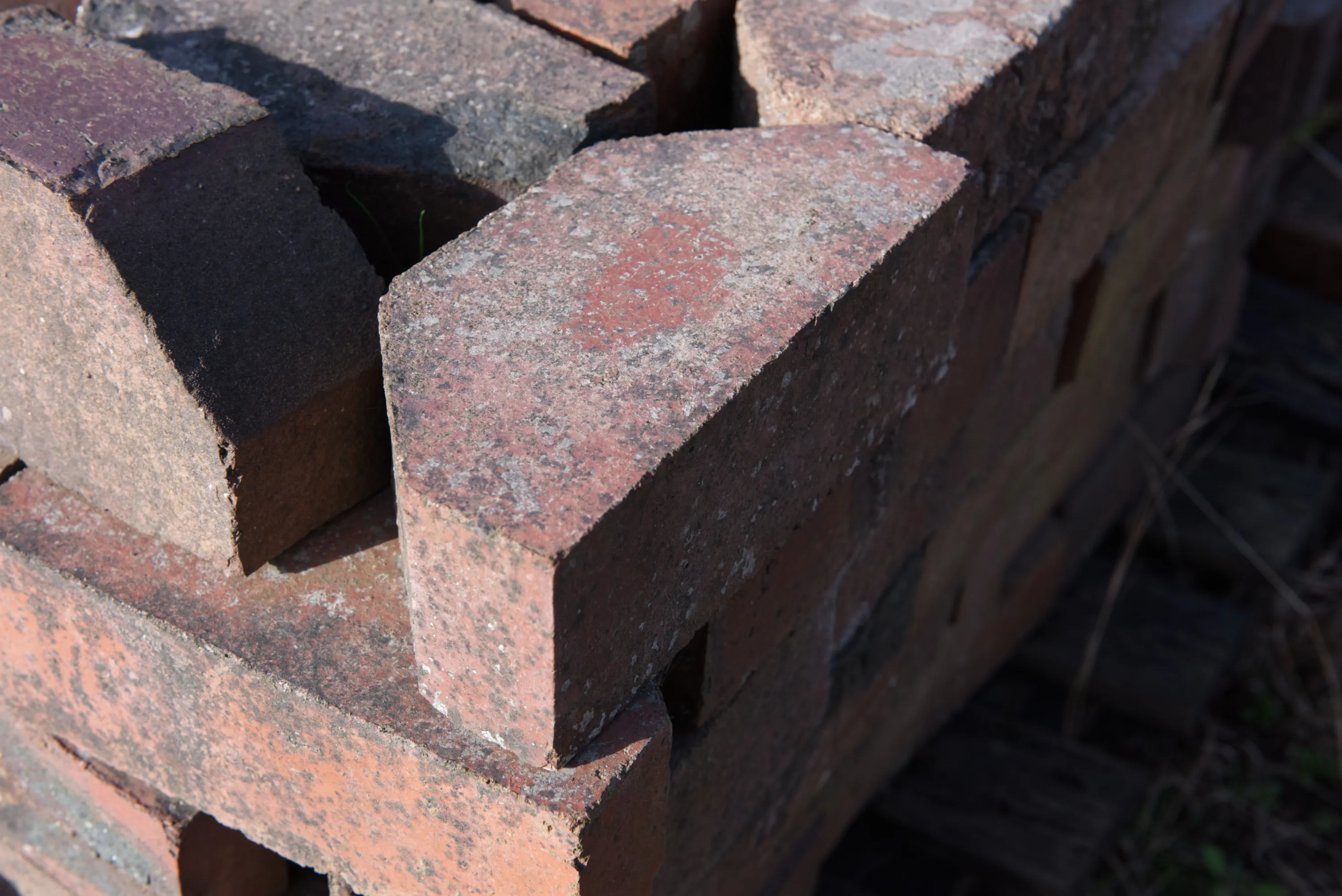
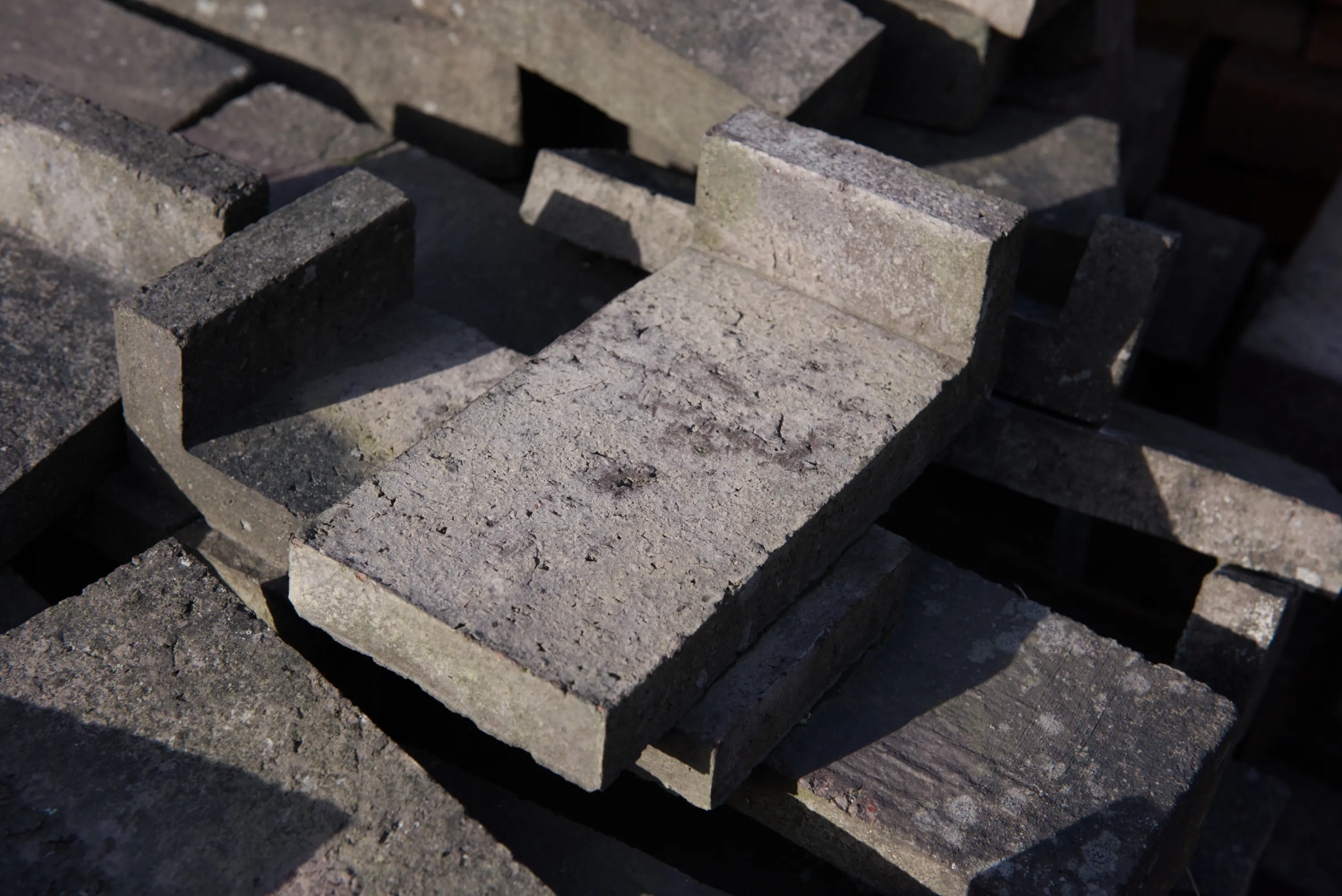
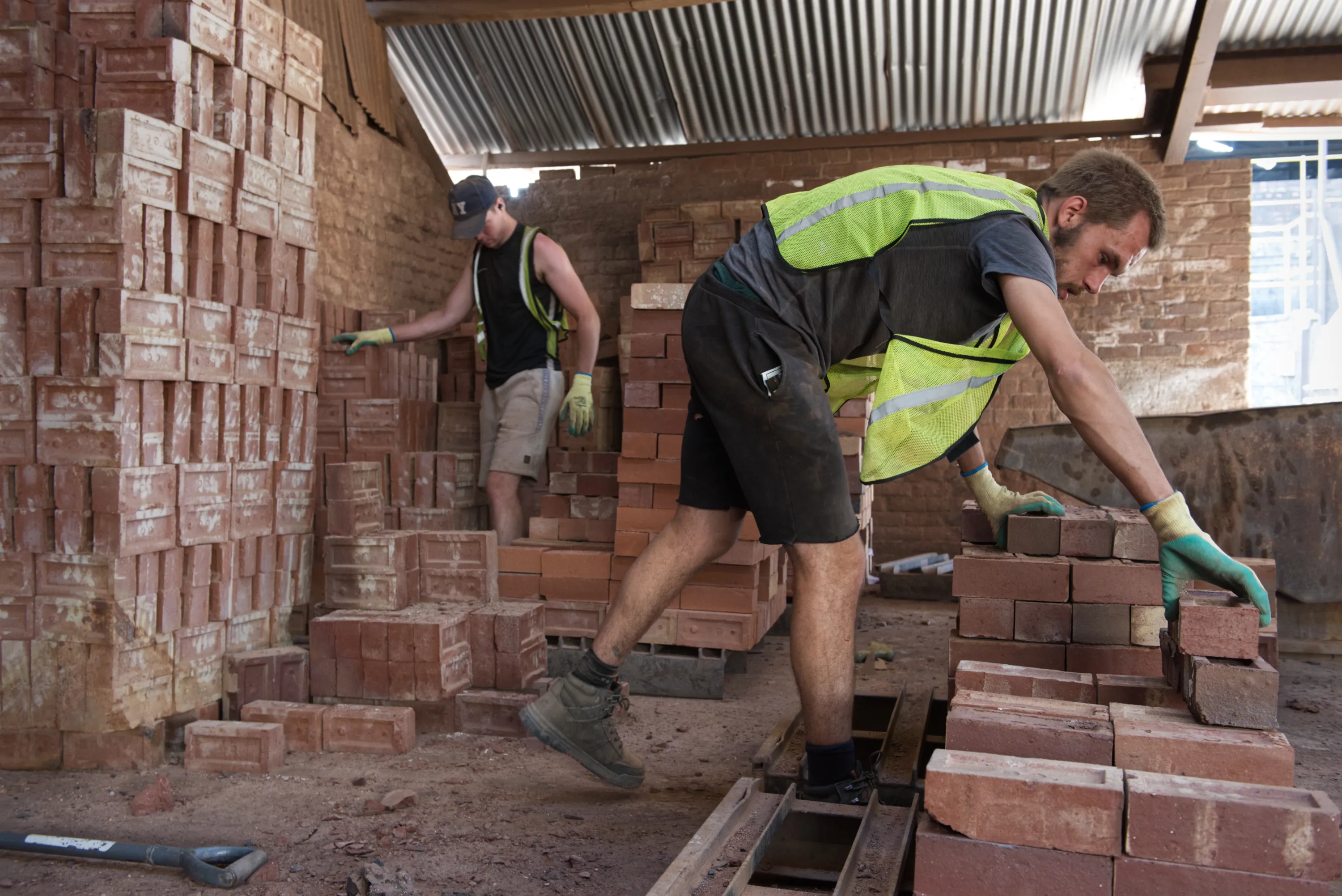
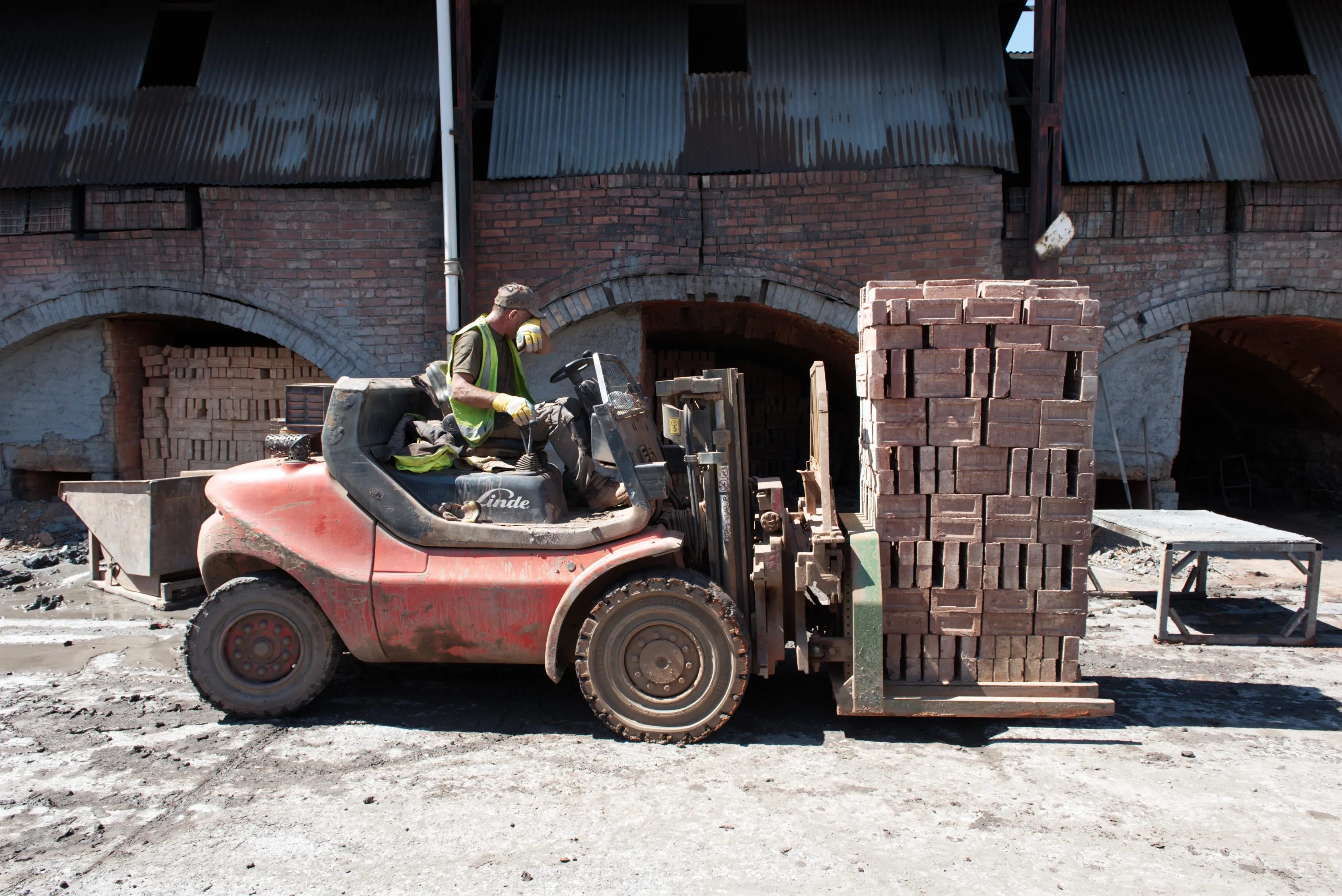
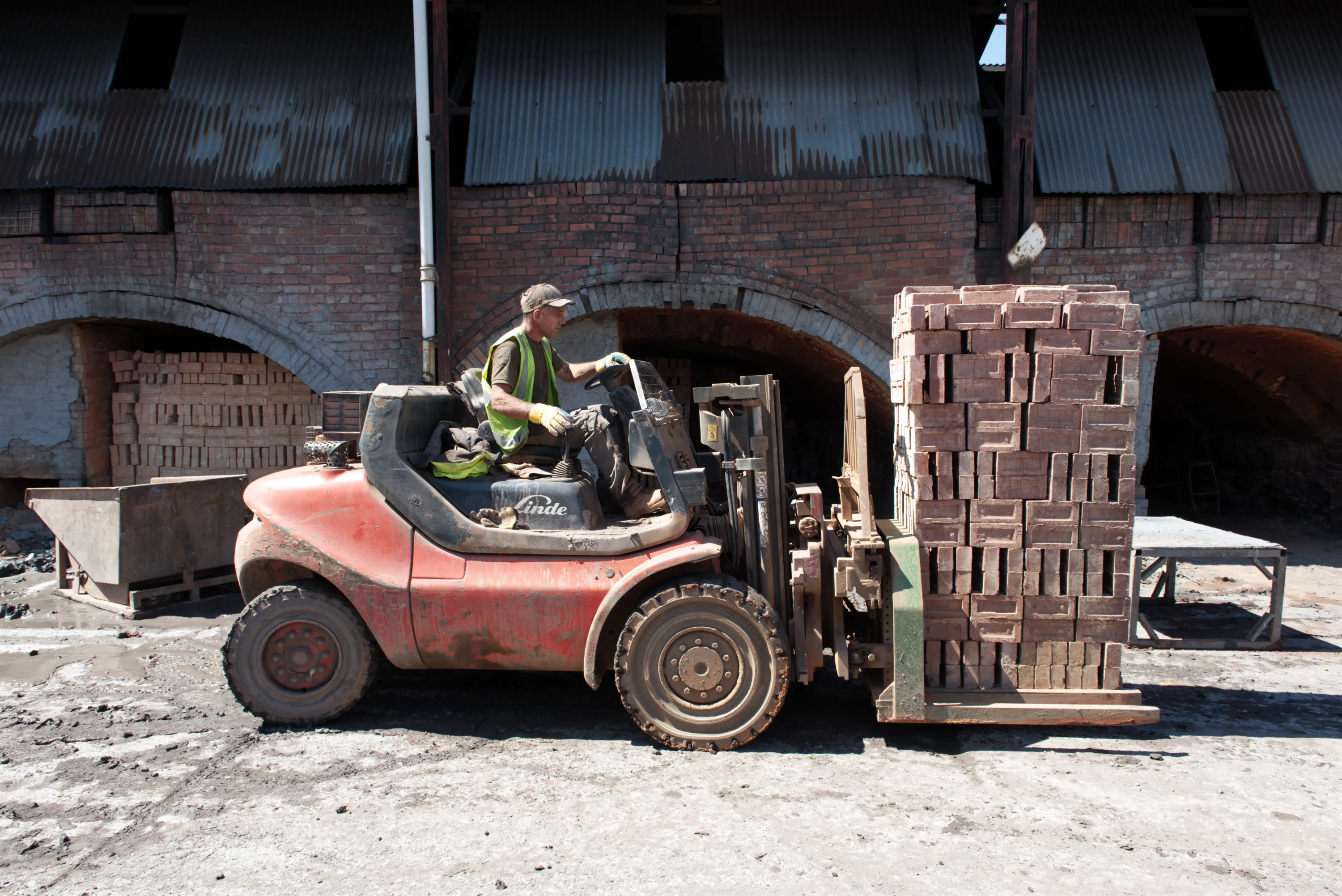
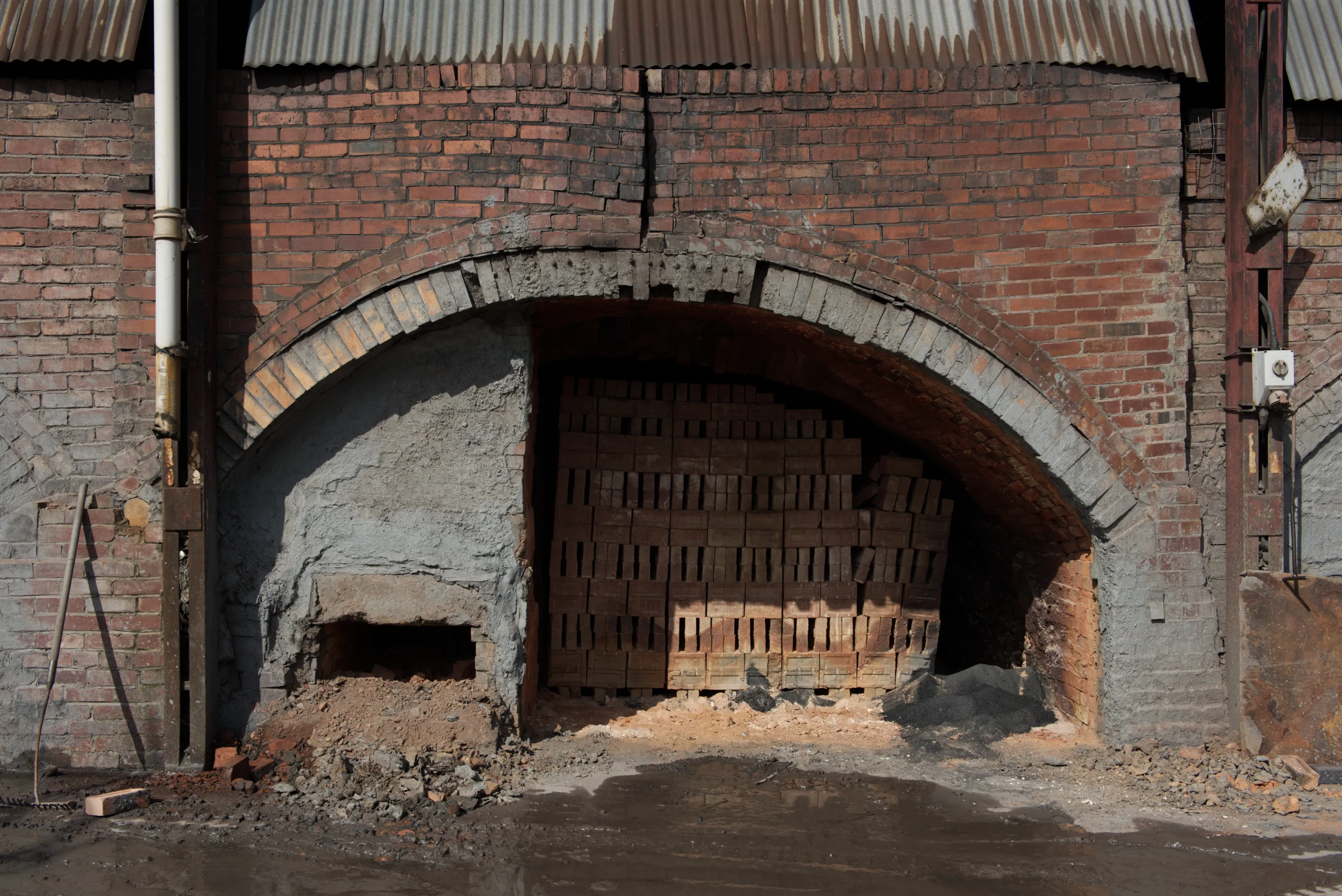
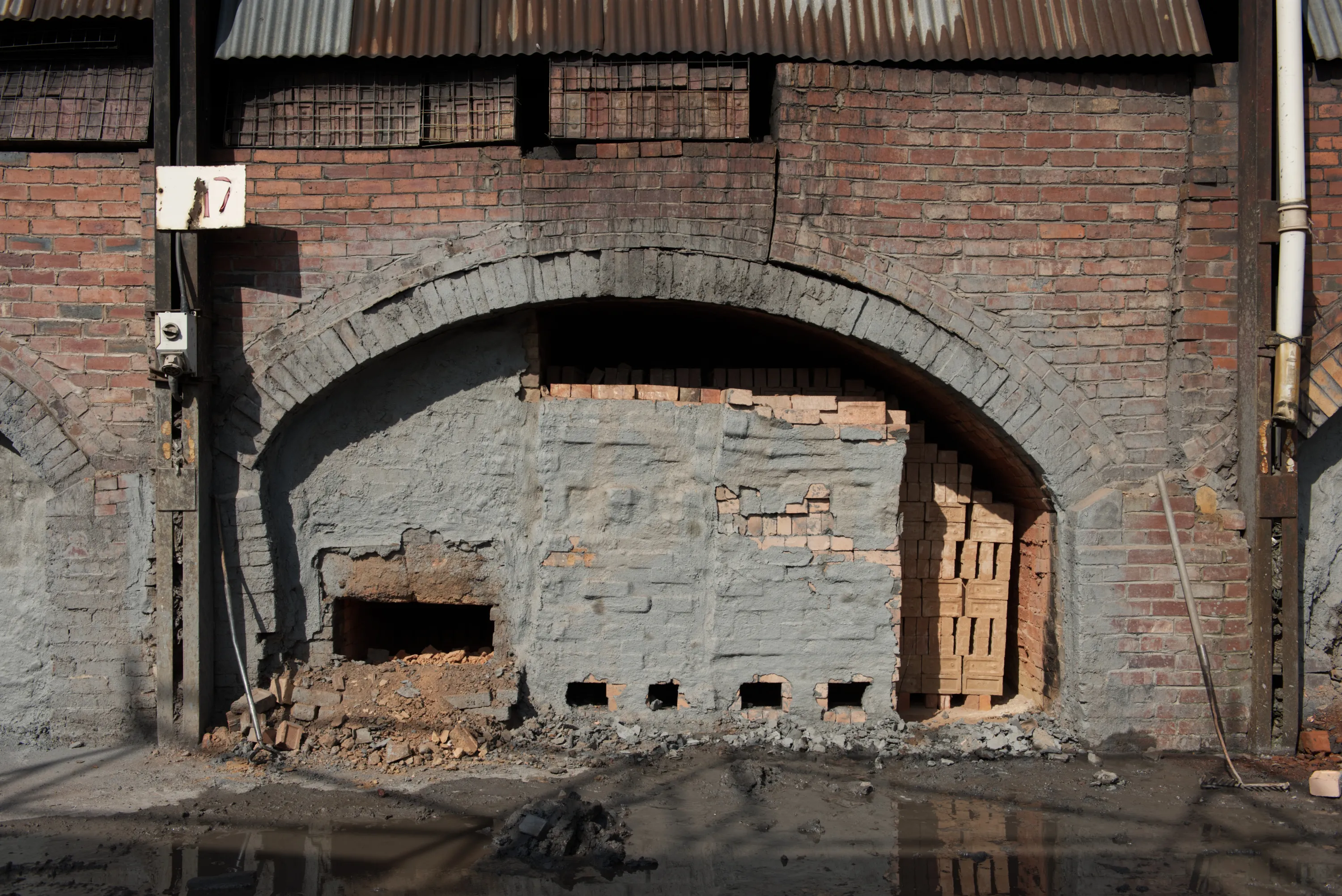
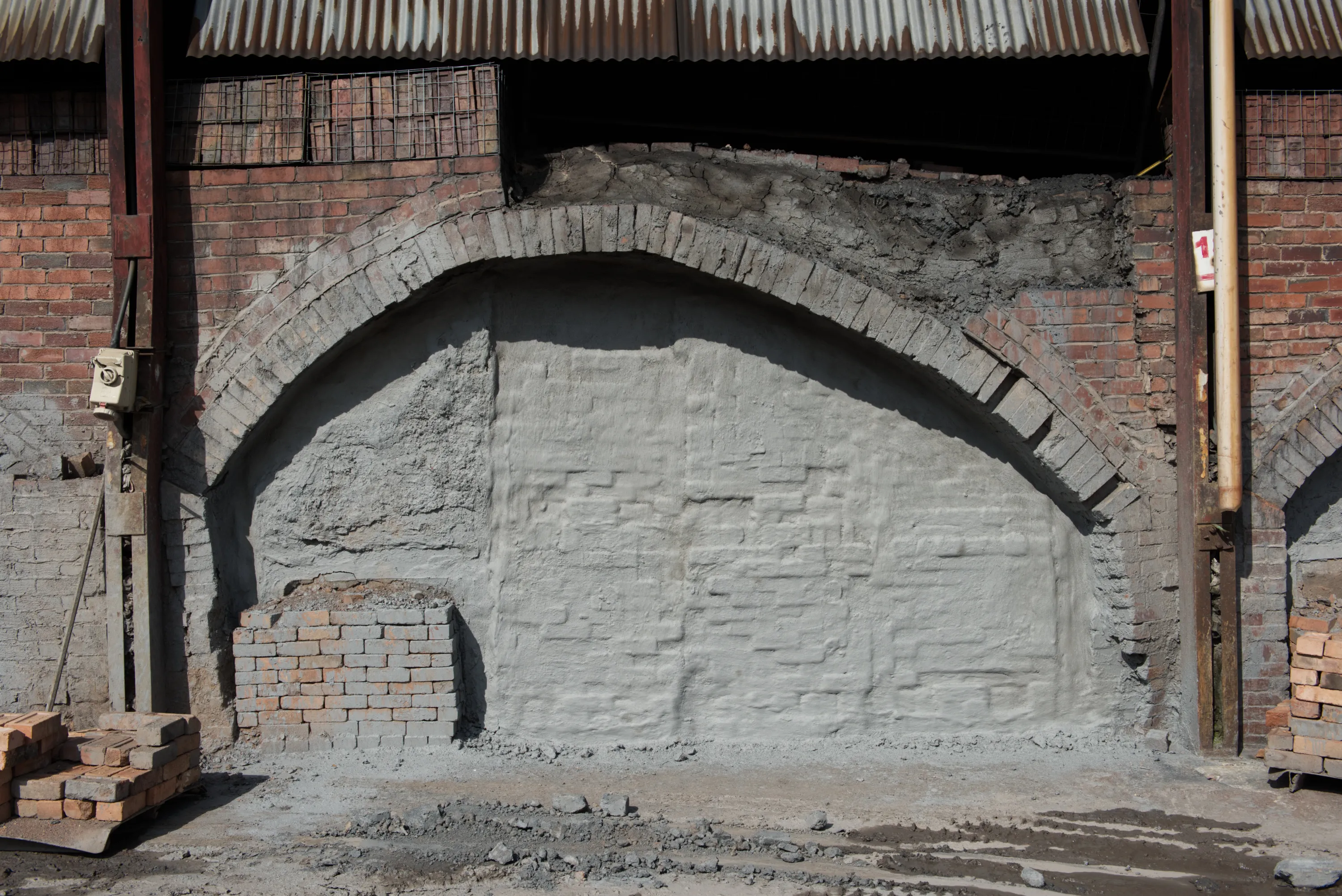
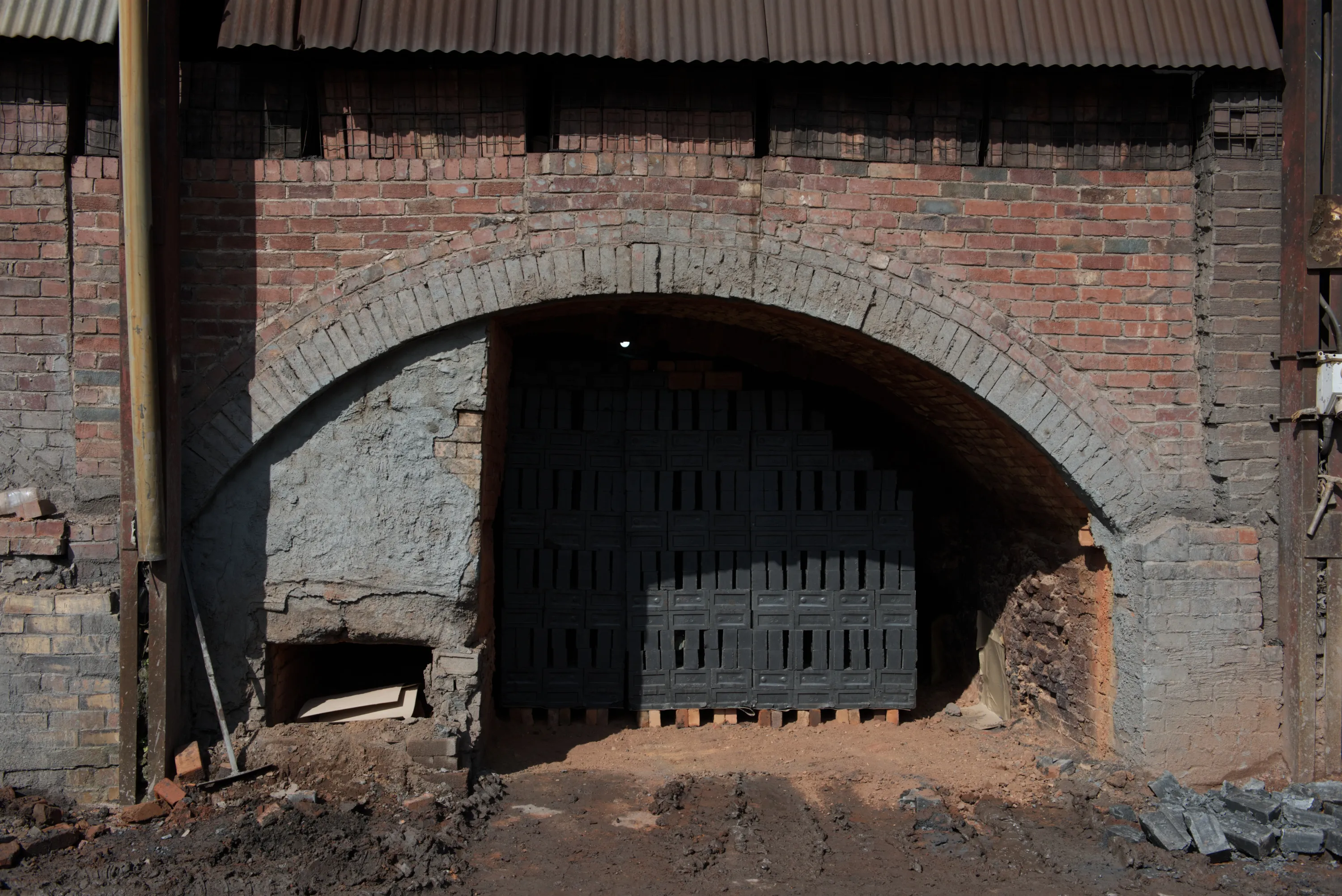
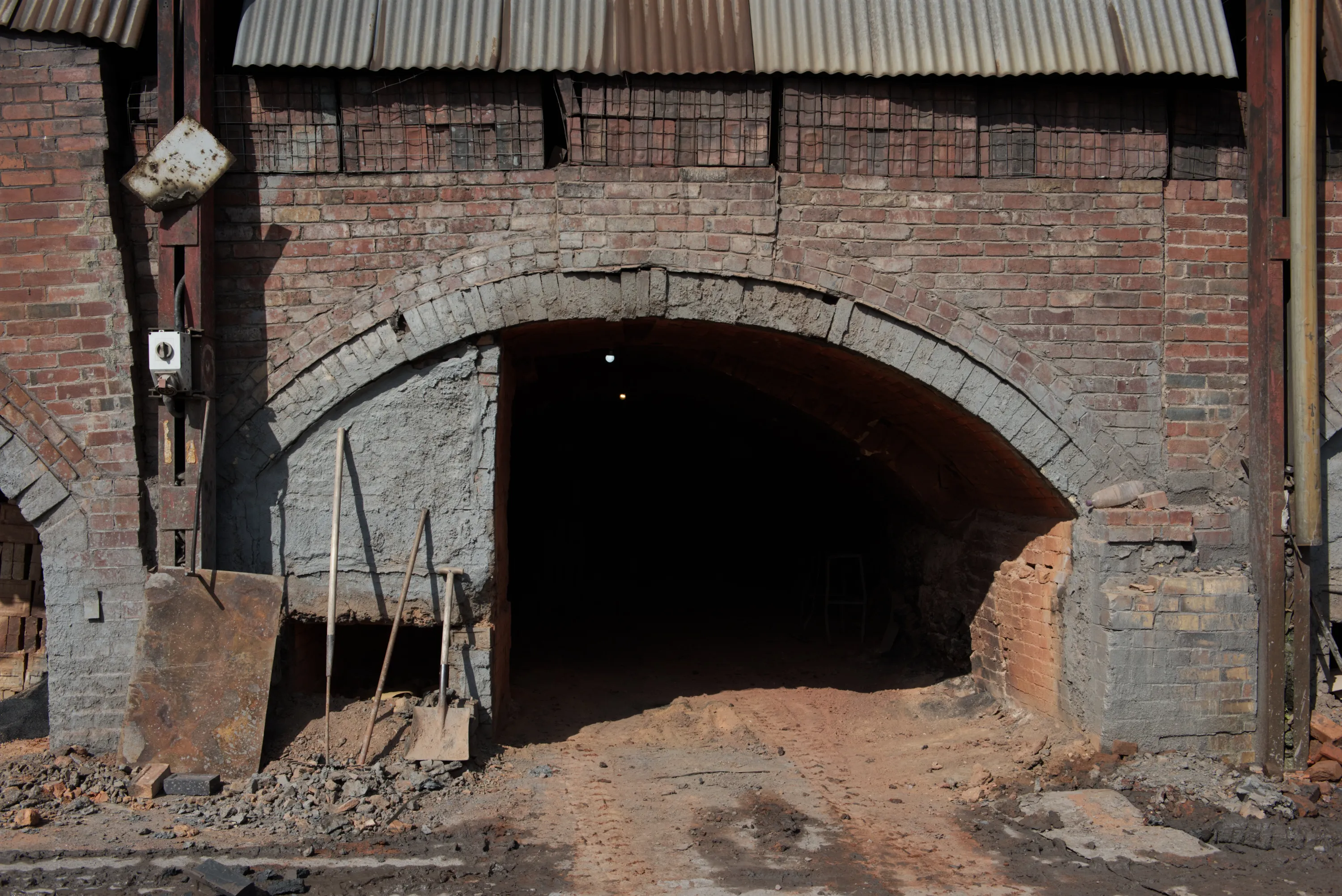
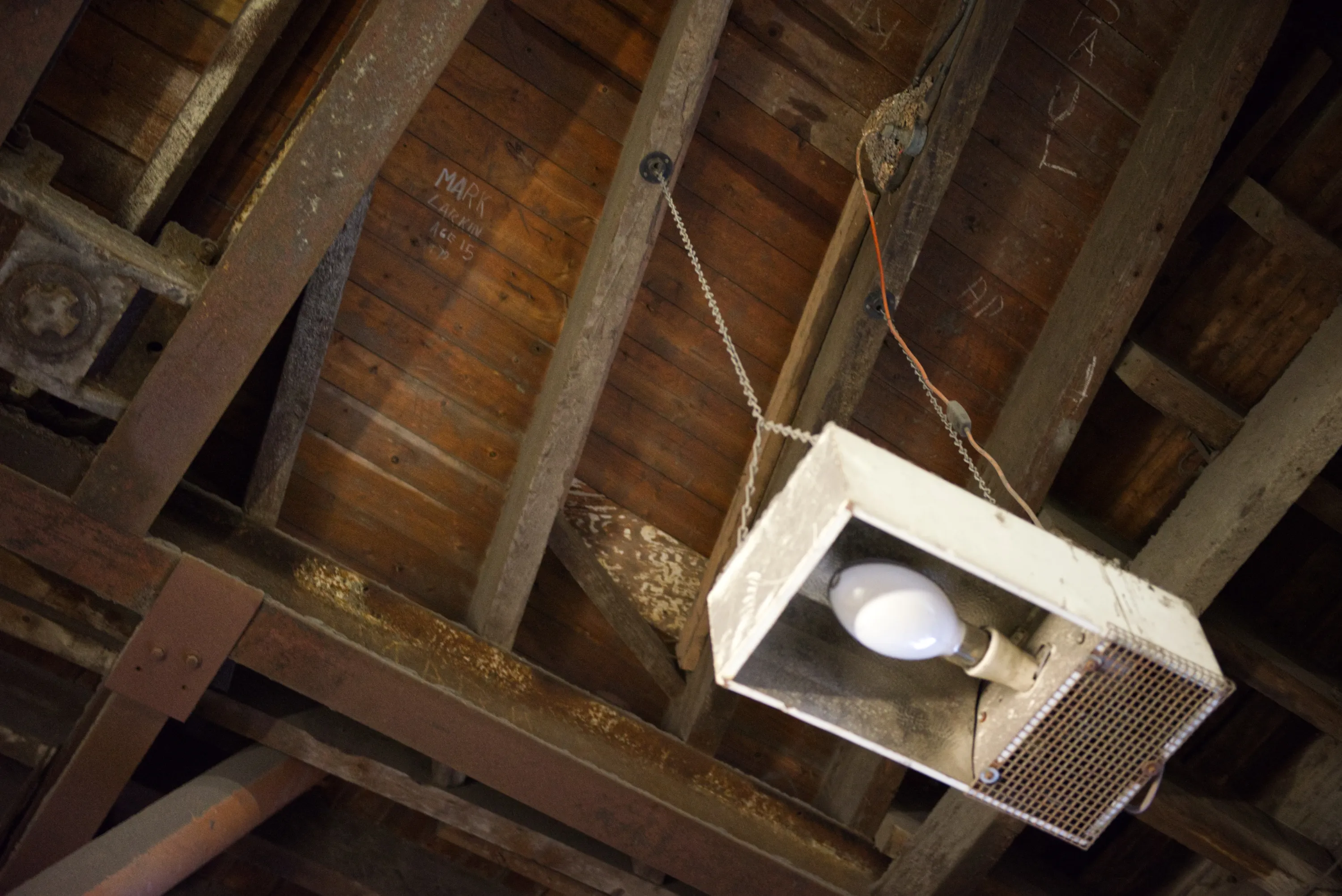
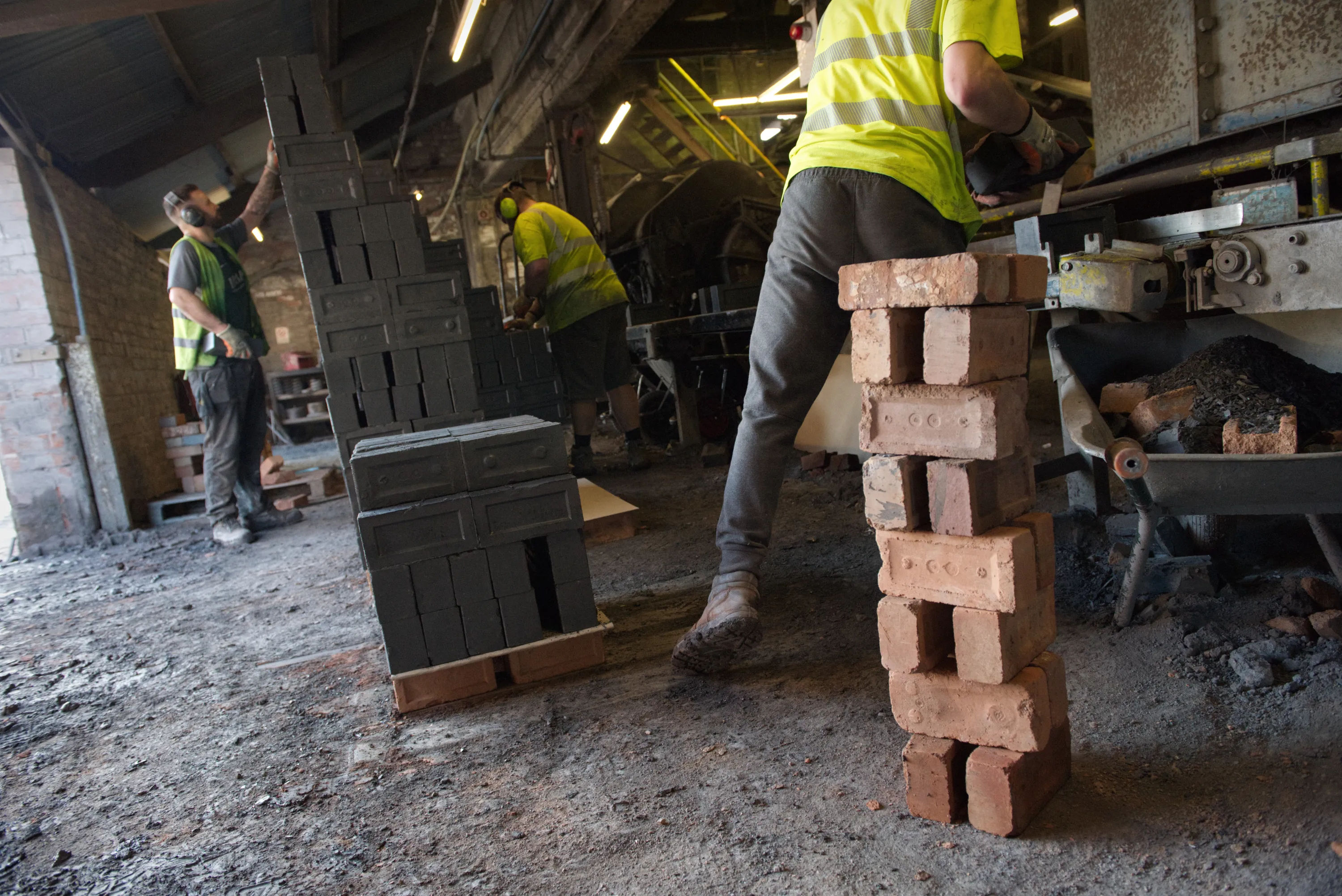
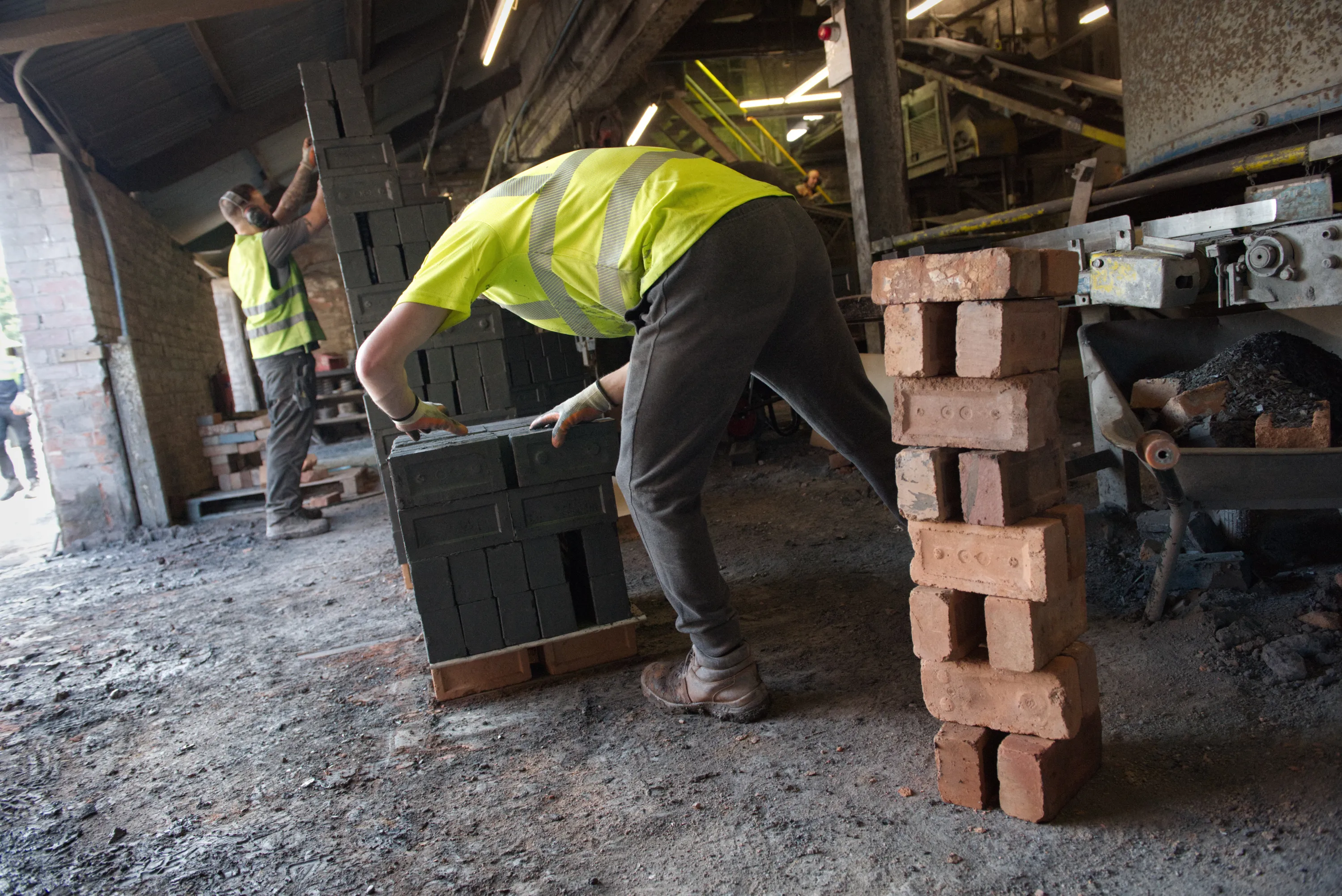
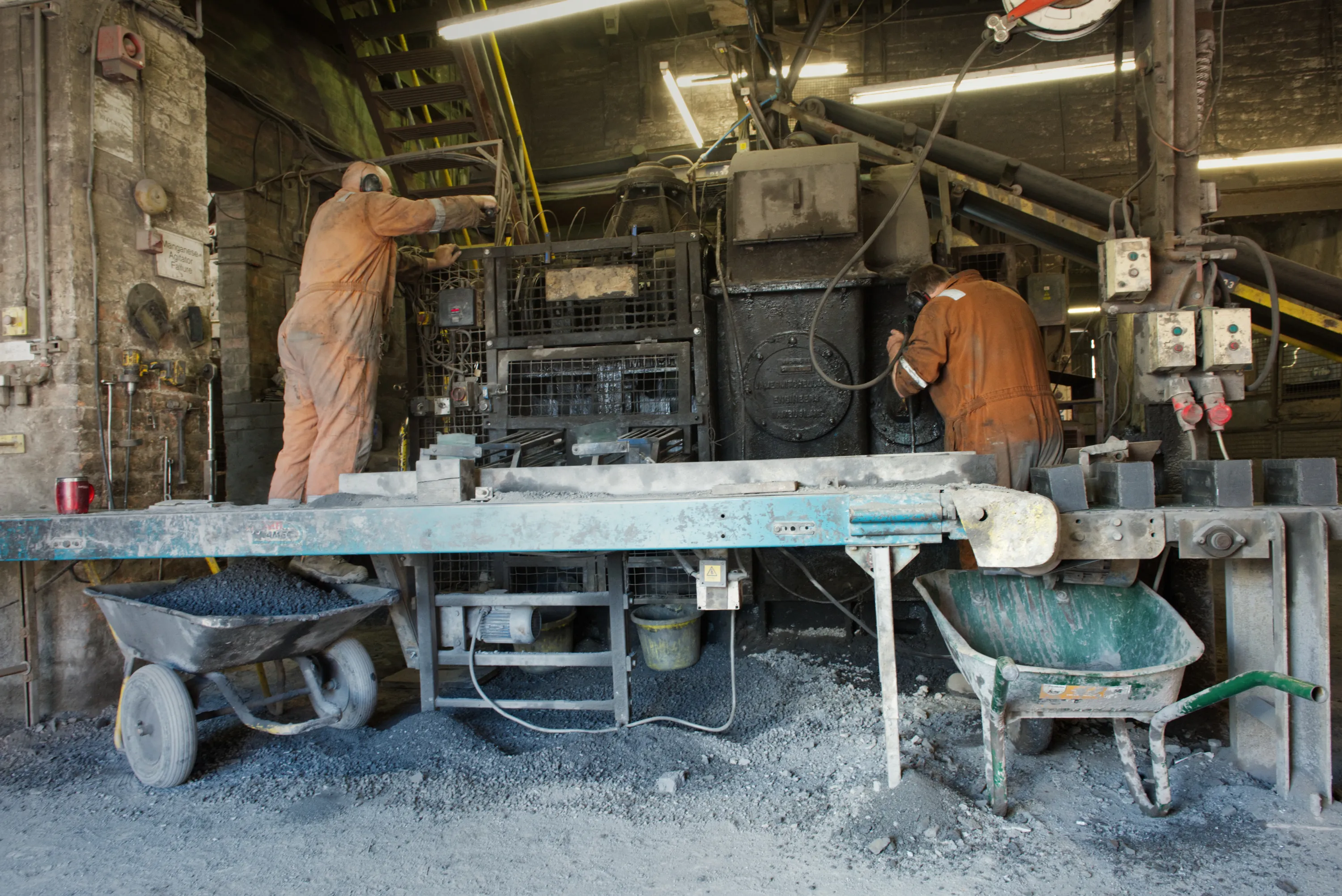
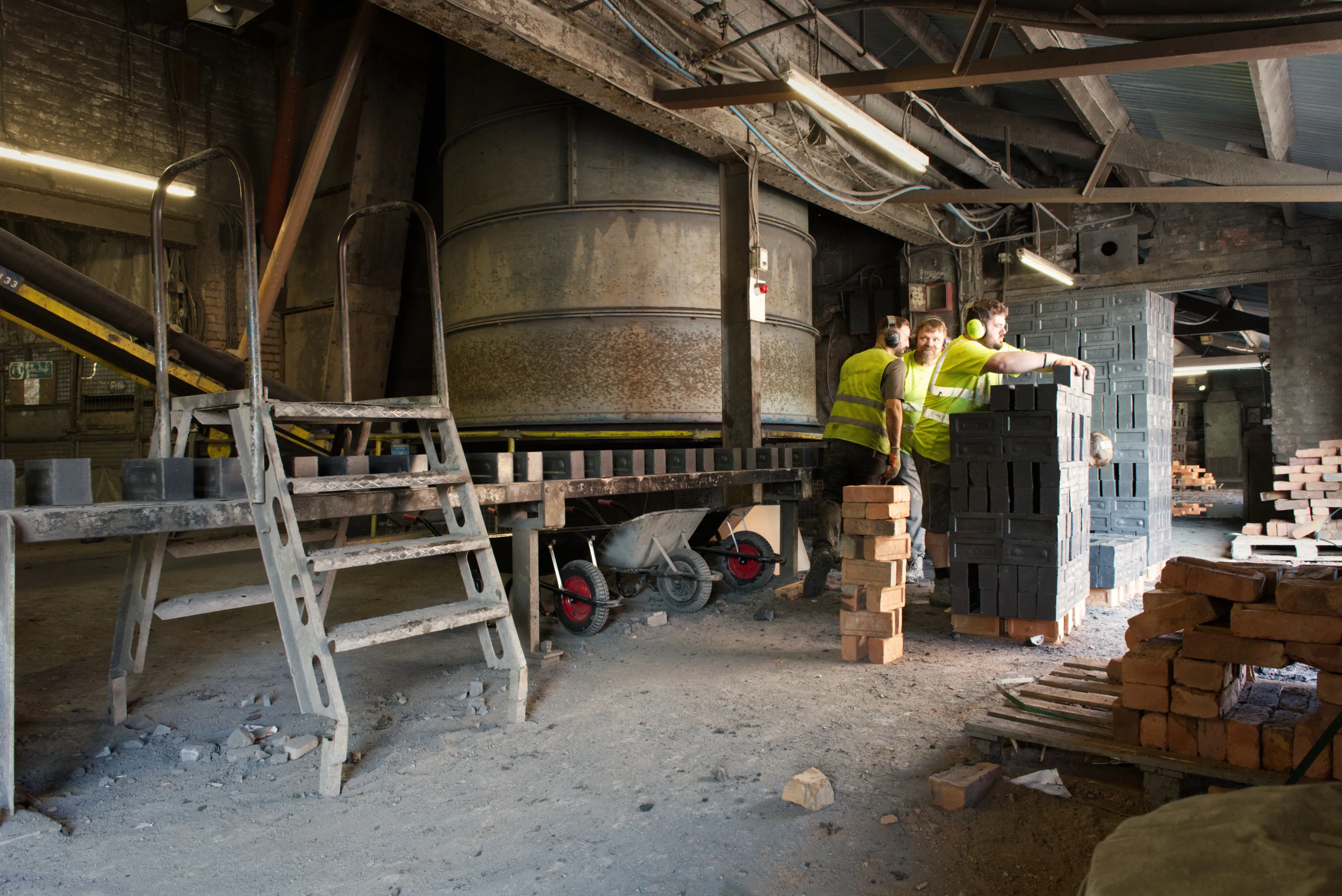
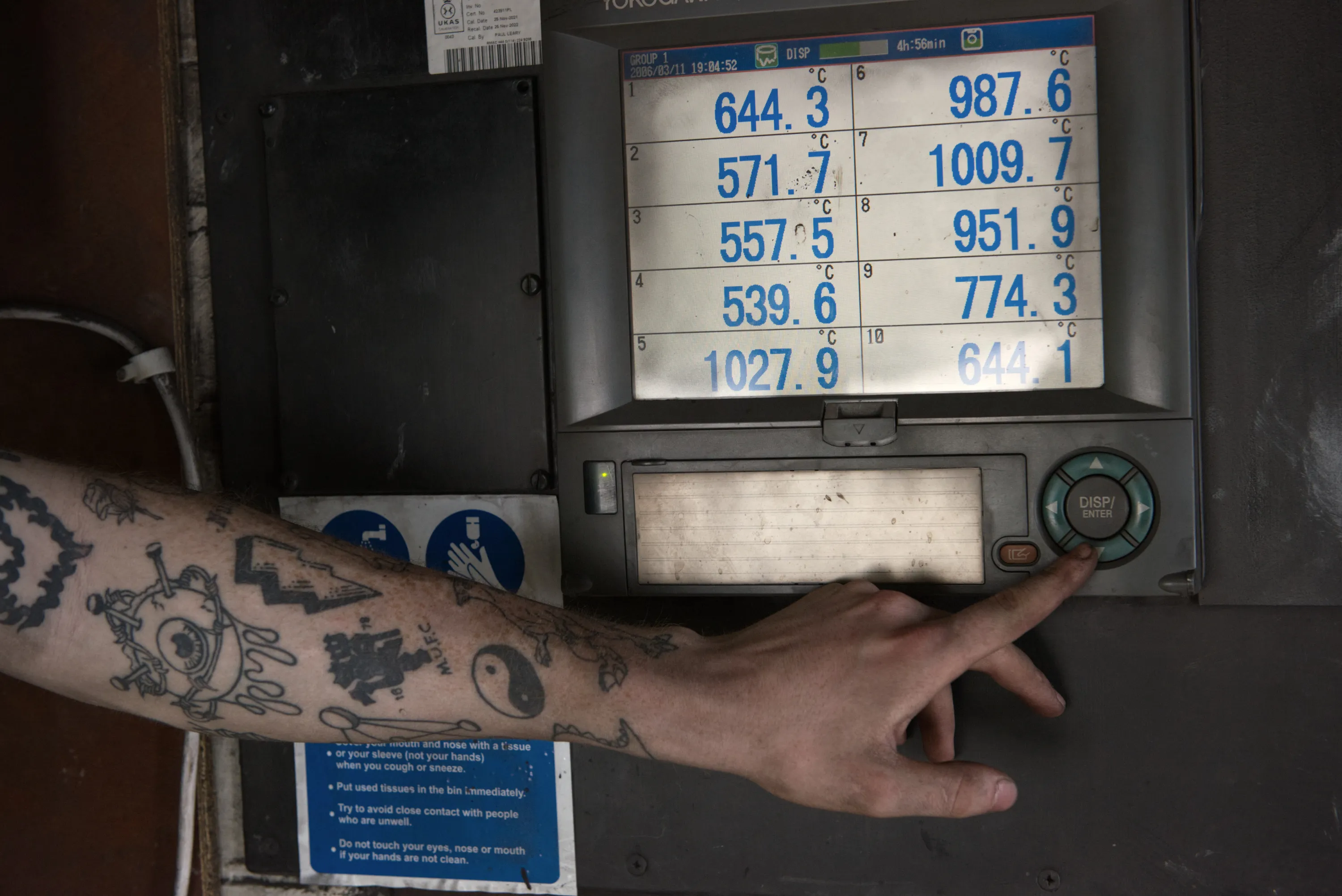
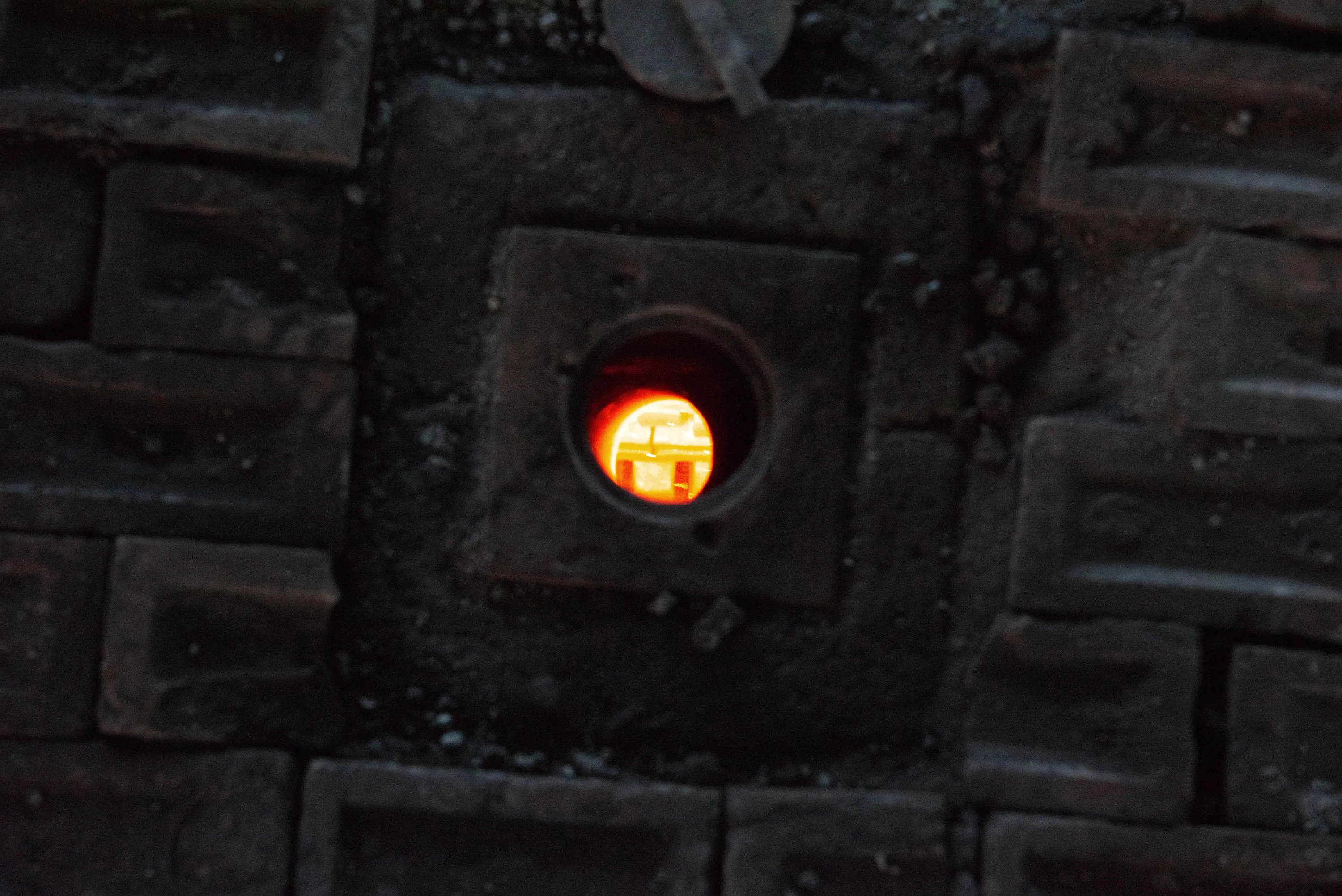
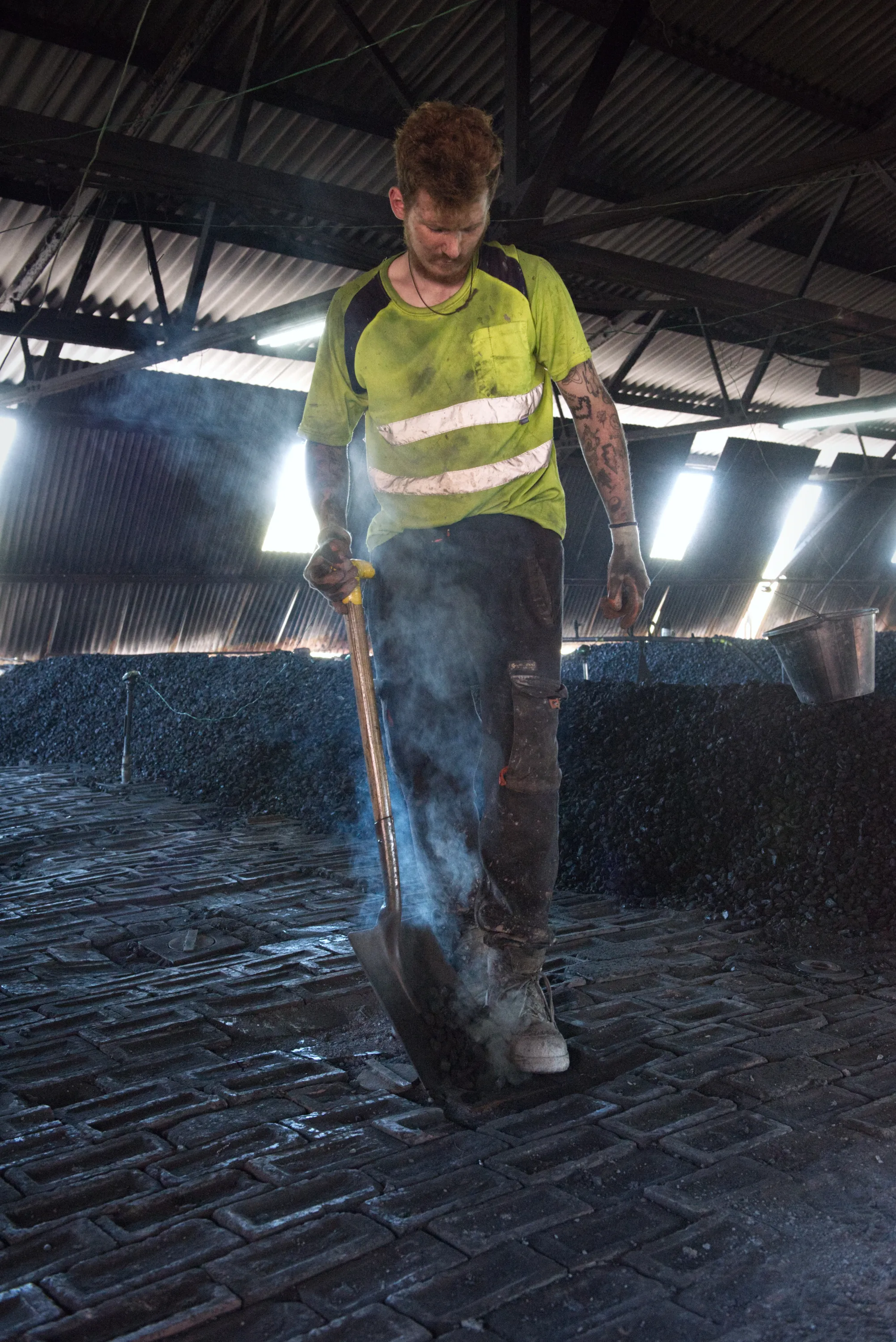
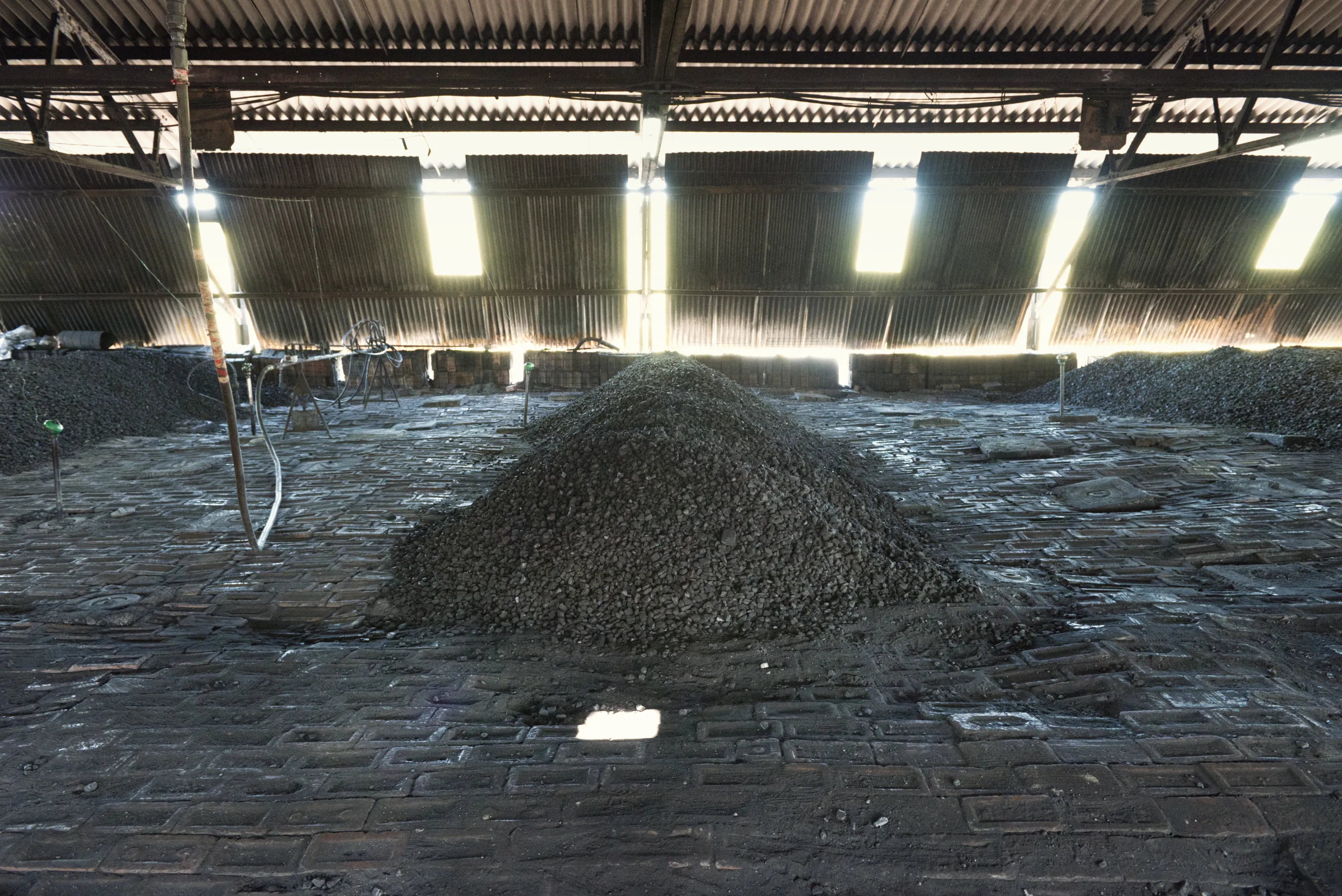
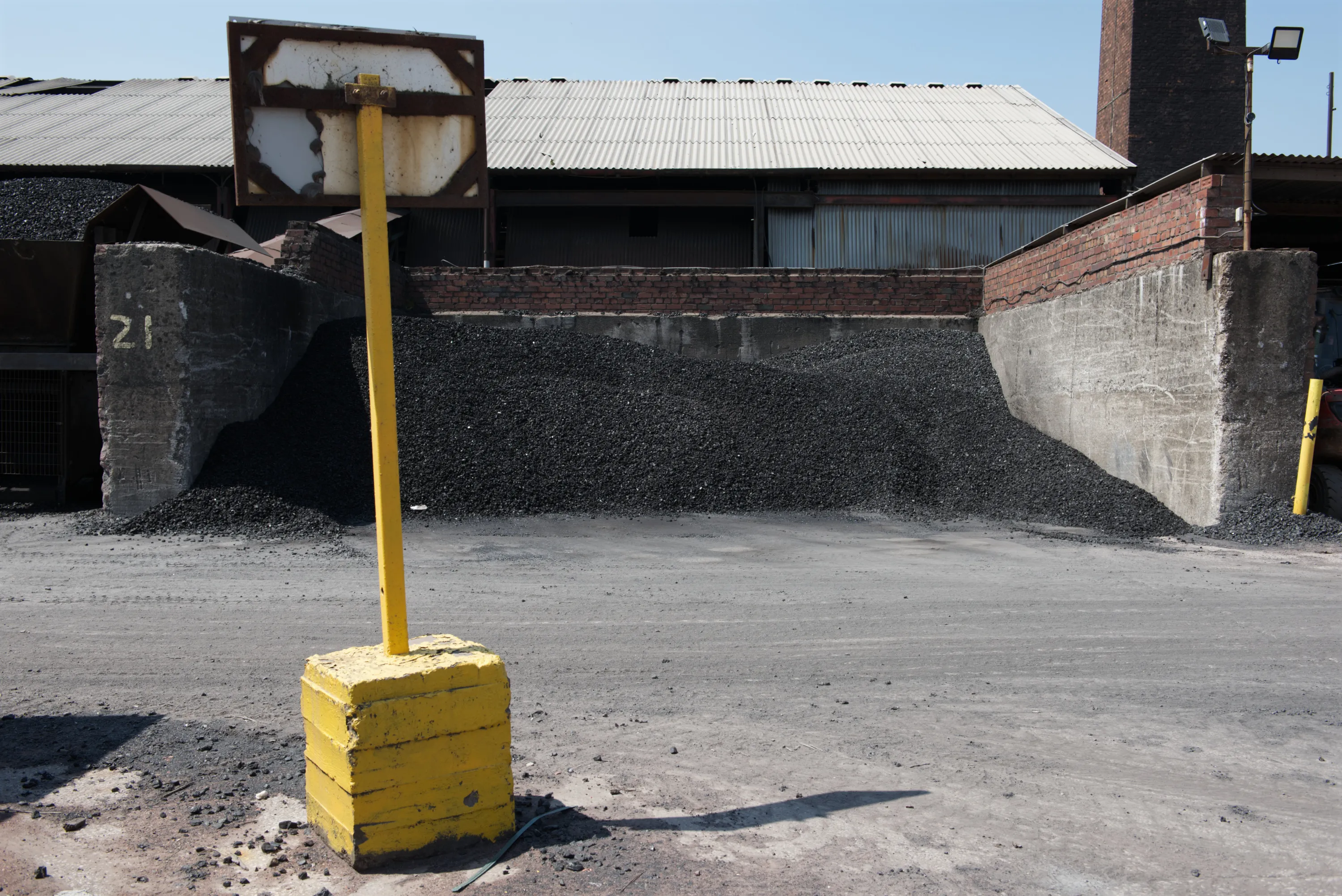
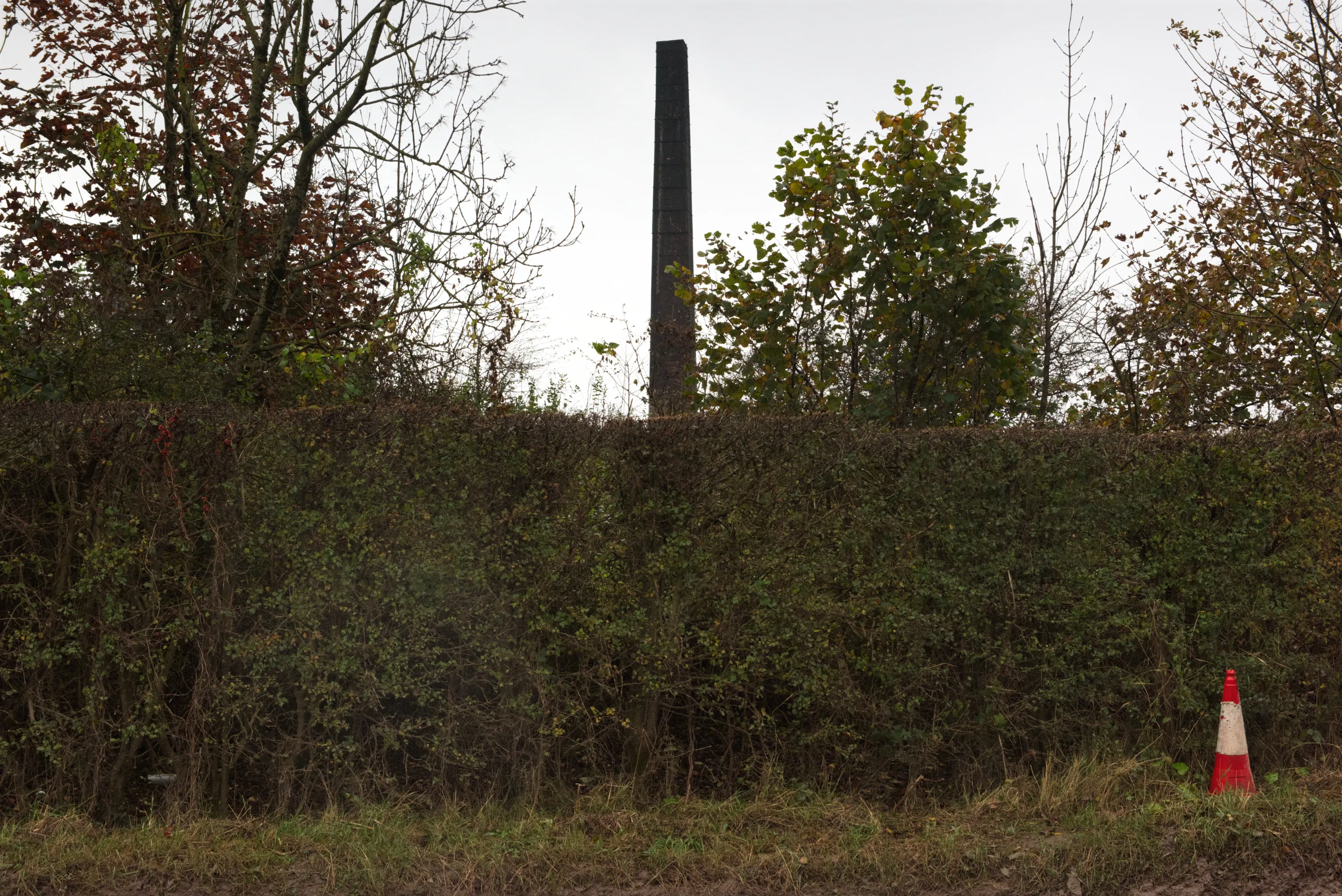
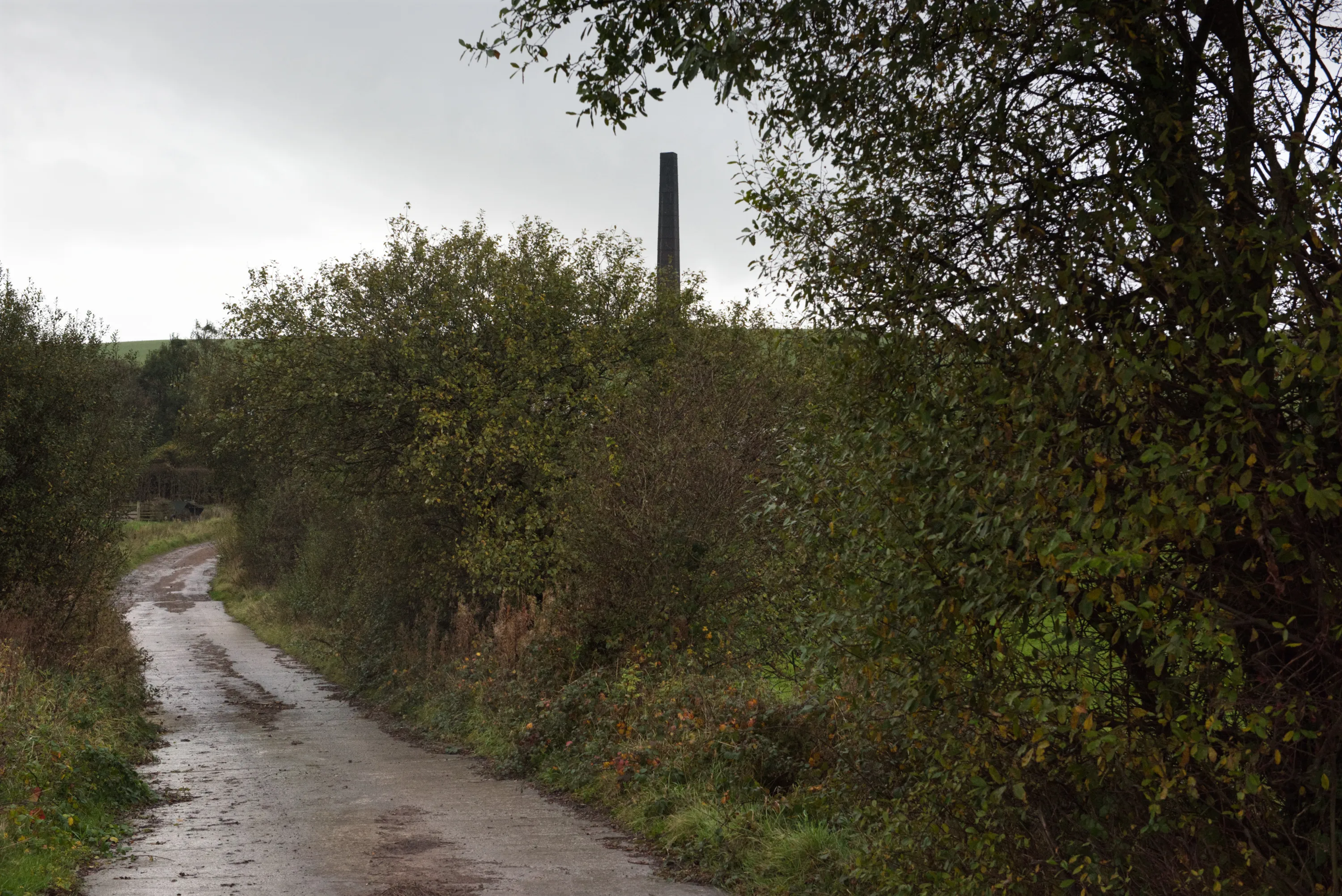
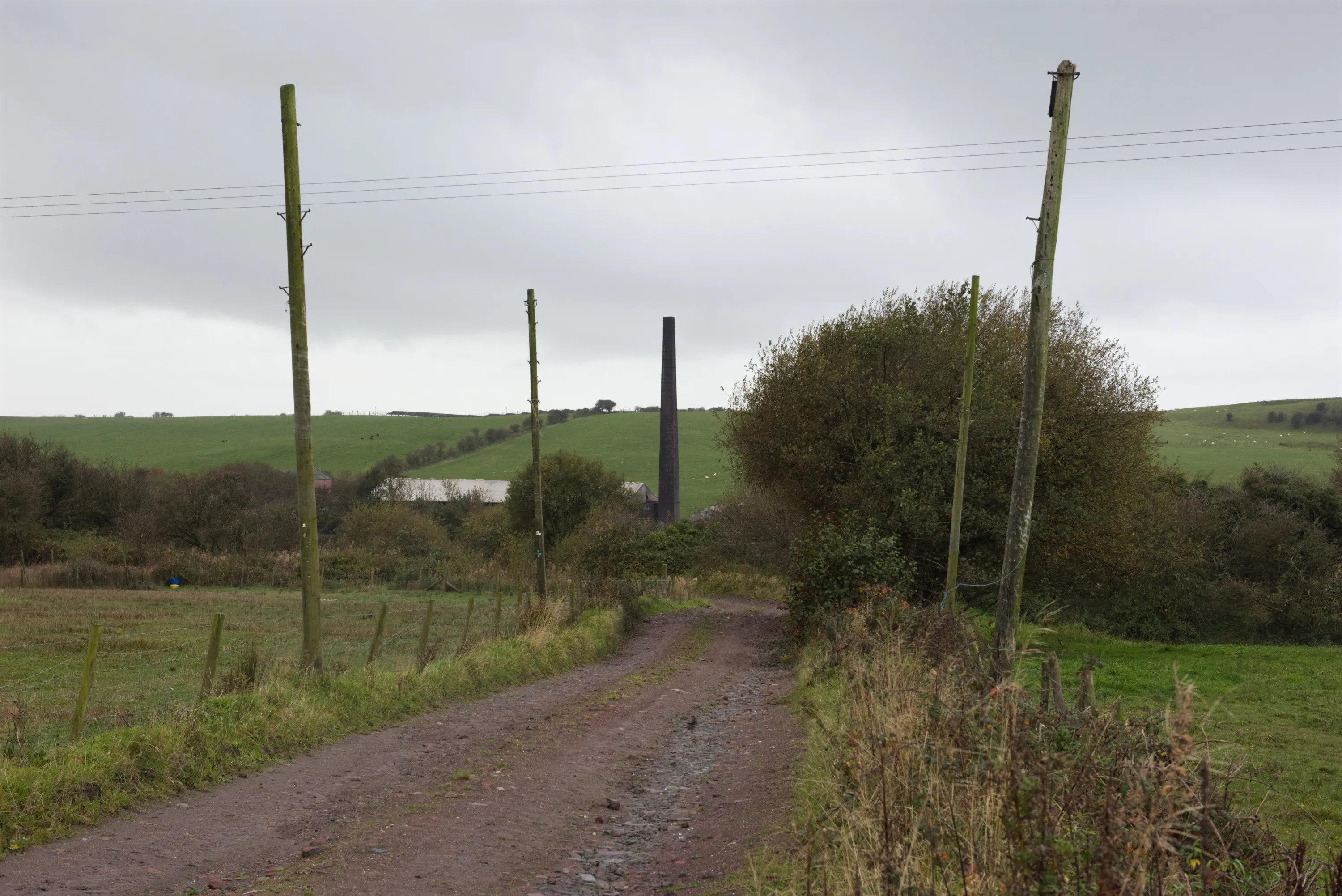
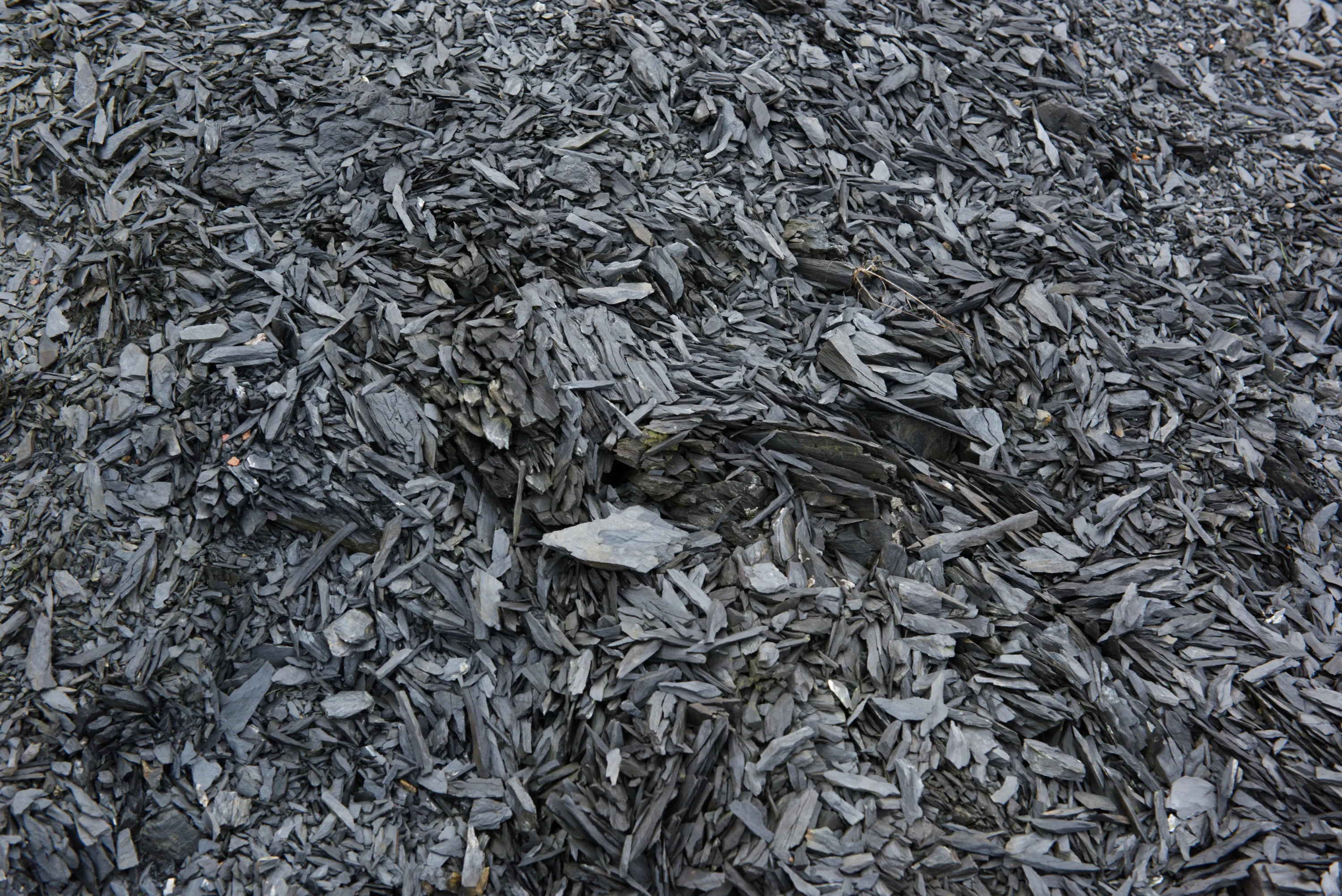
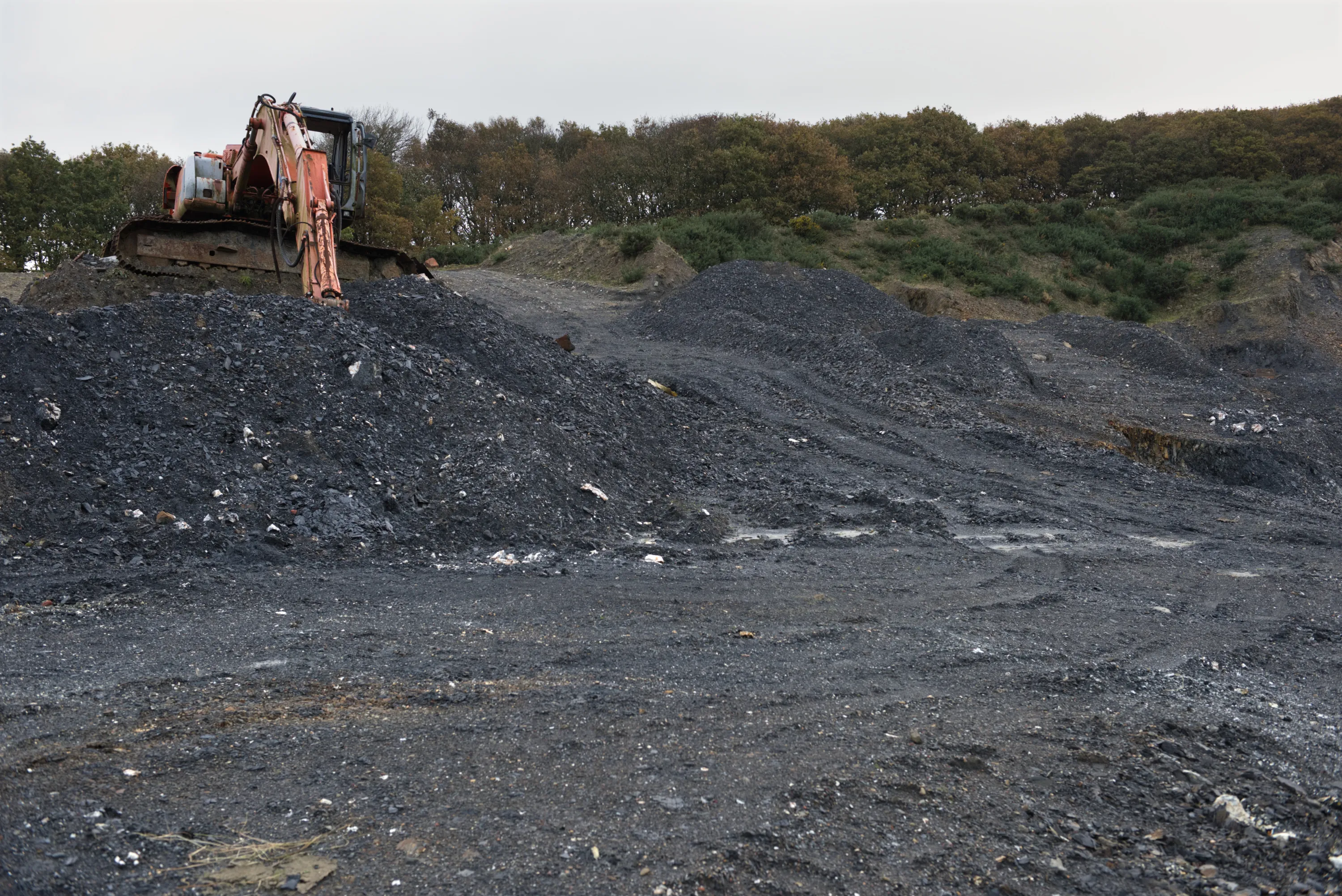
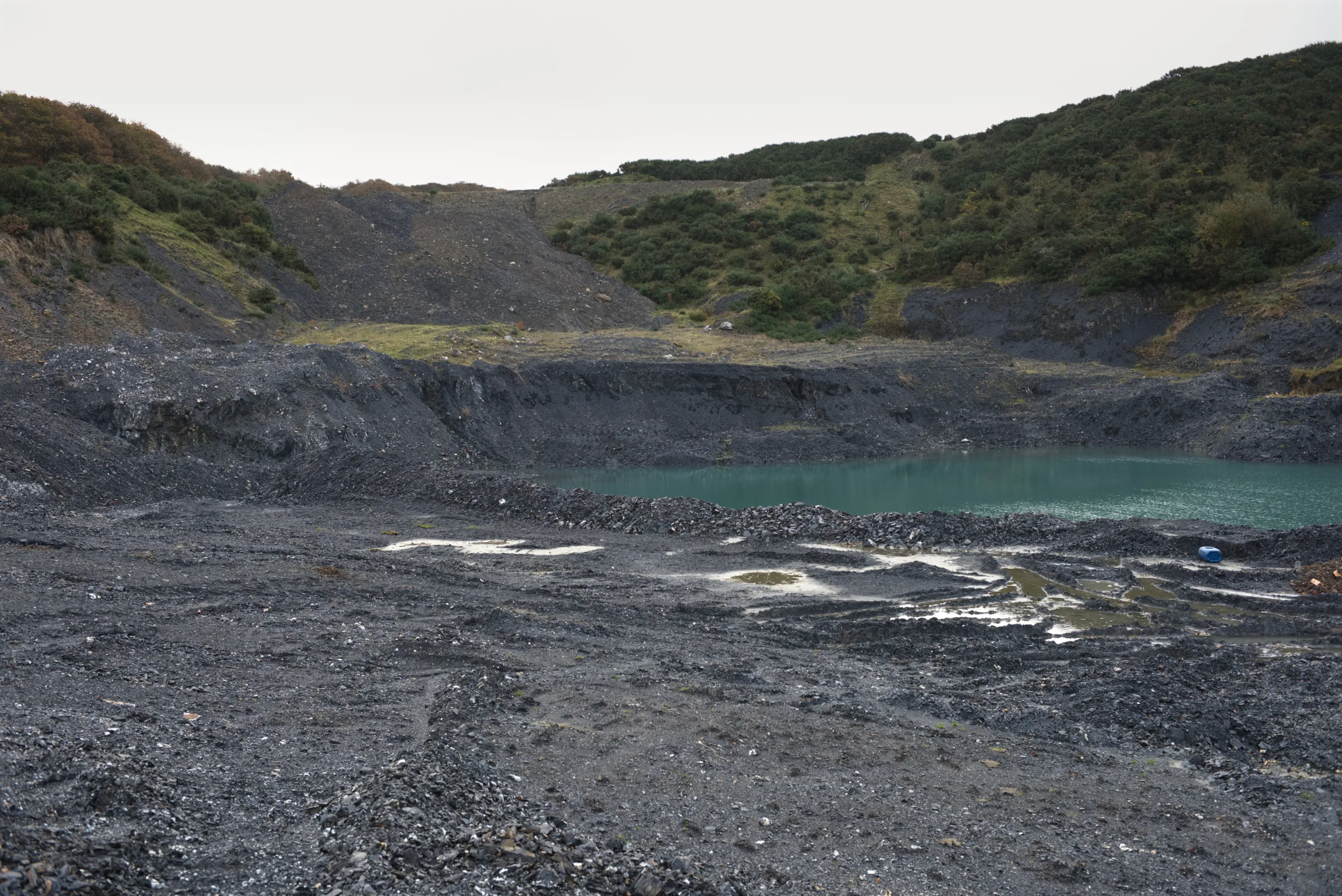
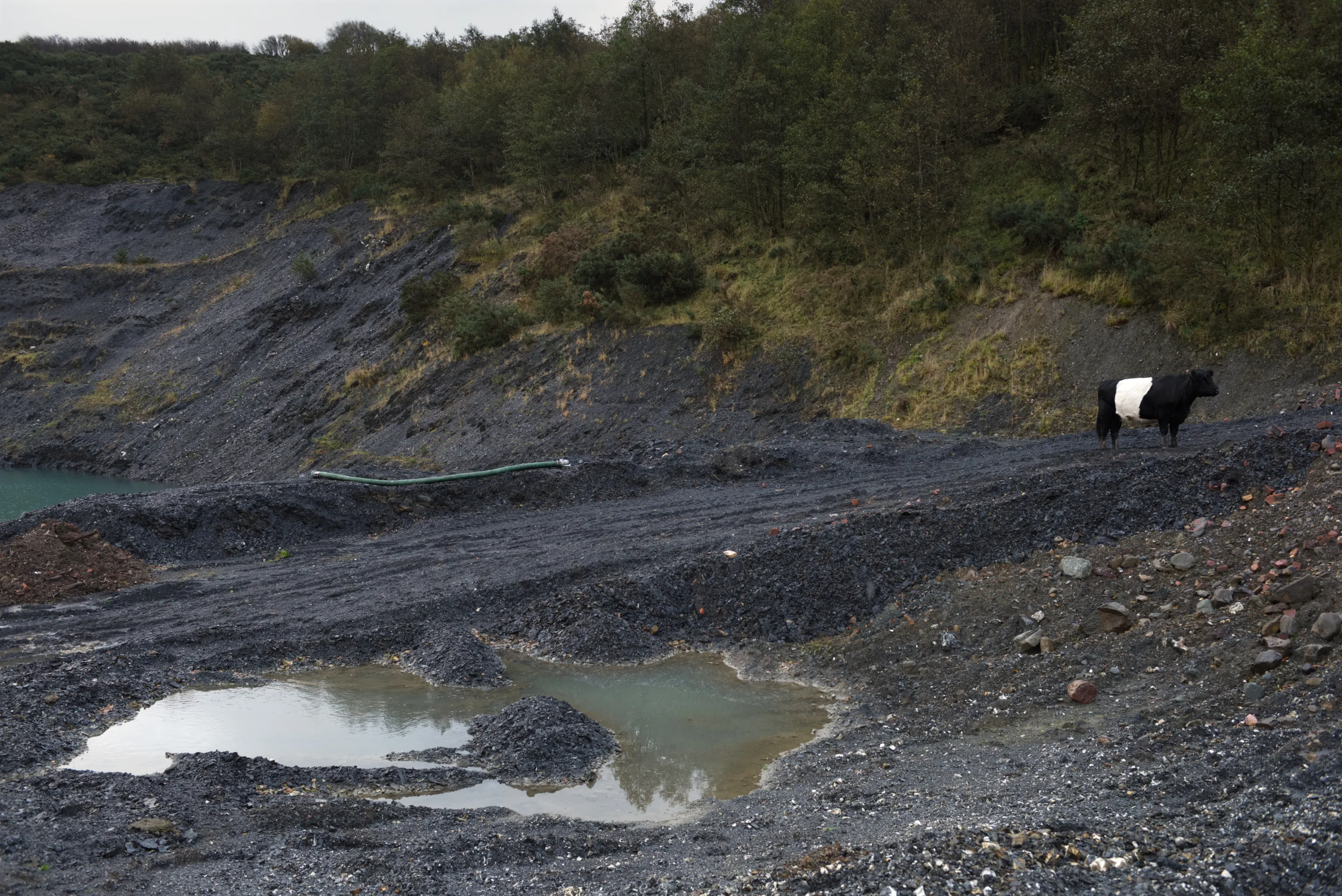
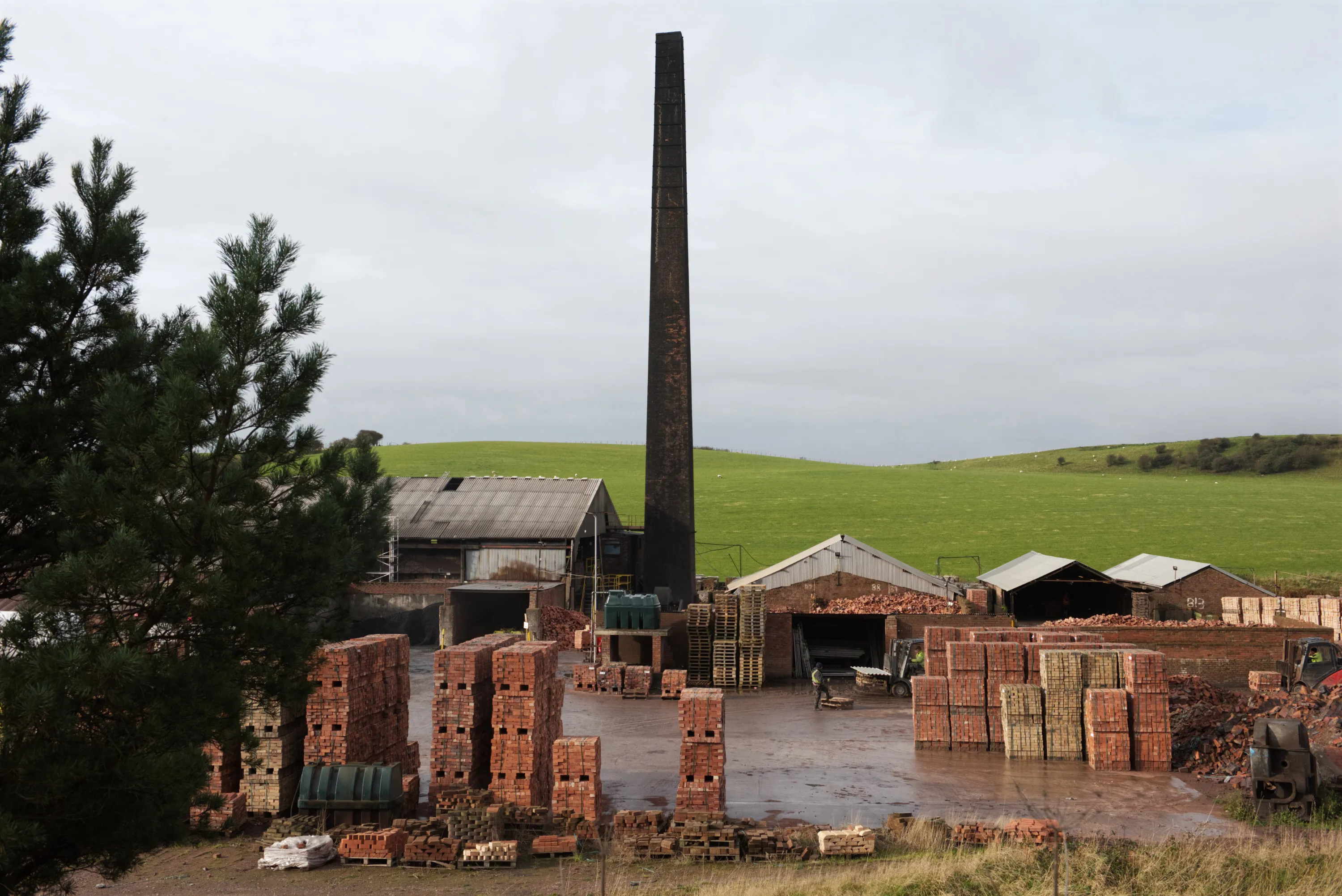
The series also reveals the environmental cost of brickmaking, including carbon emissions from coal combustion used to fire the kiln and the physical alteration of the local landscape caused by quarrying shale, the sedimentary rock from which bricks are made. The work reflects on the benefits and drawbacks of industrial production, highlighting the tension between economic necessity and environmental responsibility, which remains one of the defining challenges of our time.
The environmental crisis has its roots in the industrialisation of the economy. During Britain's Industrial Revolution, bricks became the preferred building material because they were quicker and cheaper to produce than quarried stone. In this historical sense, brick production offers a tangible link between the legacy of industrialisation and contemporary environmental concerns.
Exhibitions & publications
- Selected work, East Meets West Exhibition FORMAT International Photography Festival, Derby, March 2025
- Selected work, festival catalogue FORMAT International Photography Festival, Derby, March 2025
- Selected work, Chris Killip: Askam-in-Furness Signal Film & Media Gallery, Barrow-in-Furness, 19 Sep–1 Nov 2025
- Artist Lab Exhibition Signal Film & Media Gallery, Barrow-in-Furness, 28 Nov 2025–31 Jan 2026
- Review, Landscape & Protest: Signal Artist Lab Corridor 8, 2025
Acknowledgements
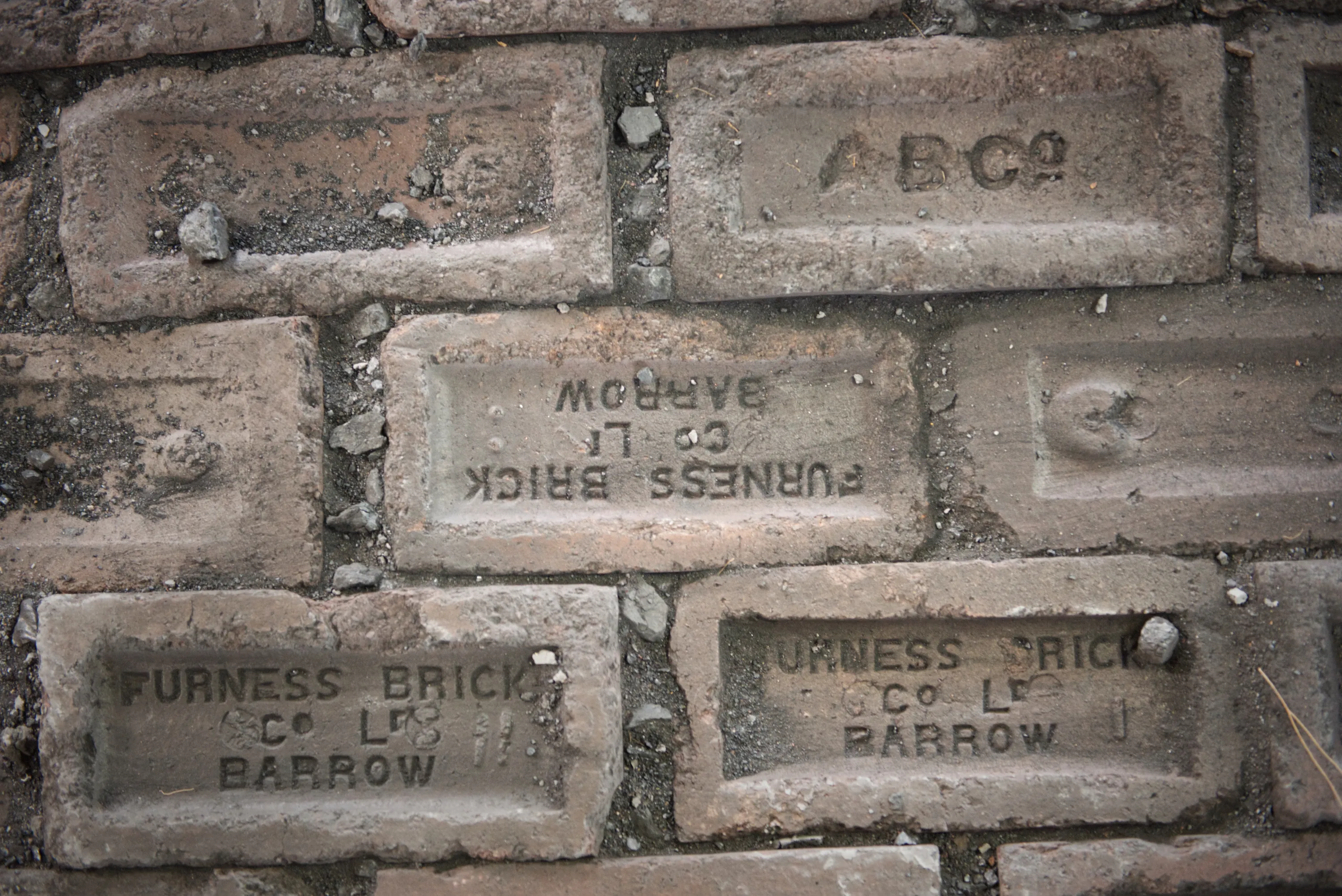
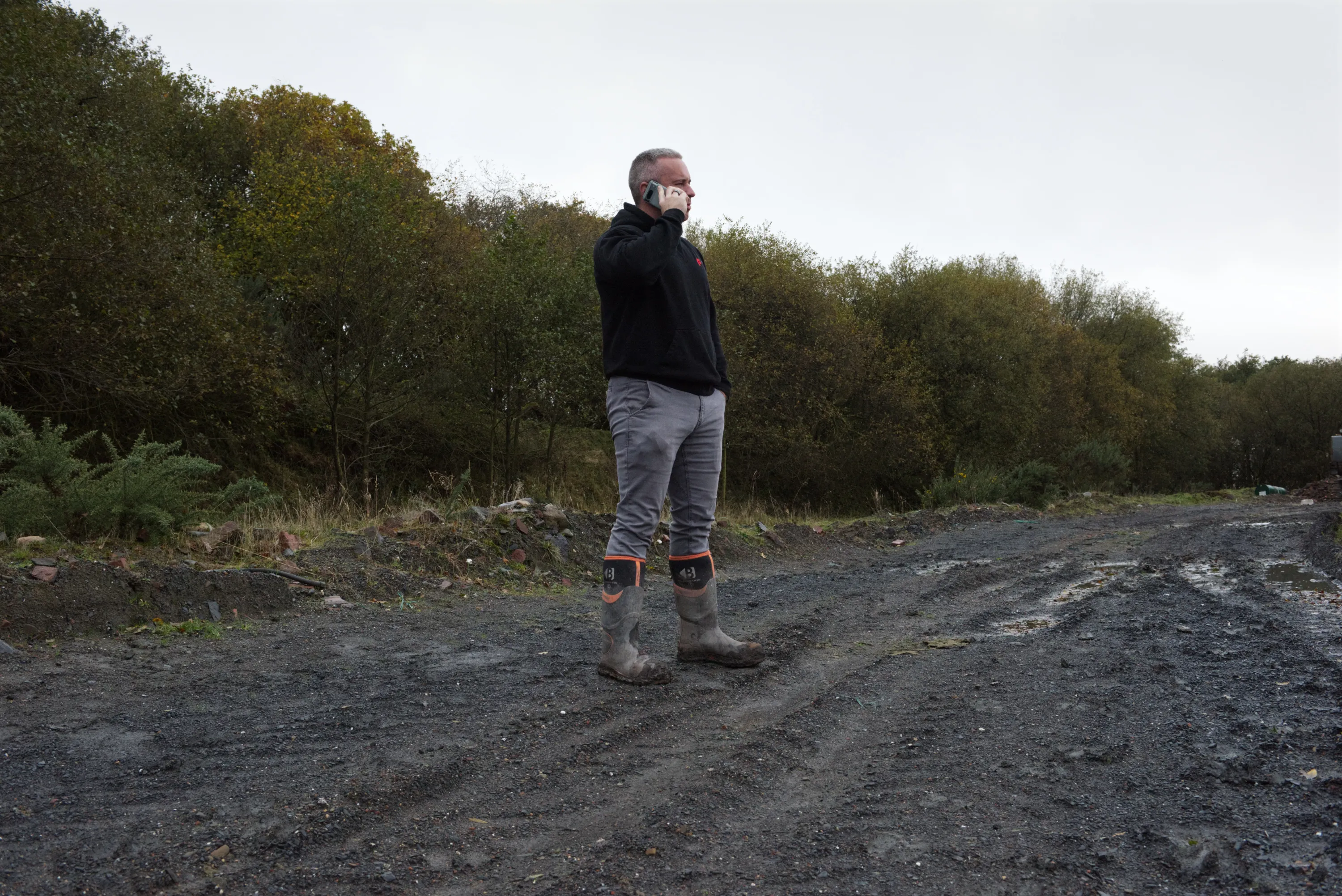
These photographs were made at Furness Brick and Tile Company Limited, a fourth-generation family business in Askam-in-Furness, Cumbria. I sincerely thank the management for their willingness to engage with an urgent topic and the workers for their generous contributions. I am also grateful to Signal Film and Media, who commissioned this project, for their sustained and enthusiastic support of my work.