Dealing with the Damage
2023
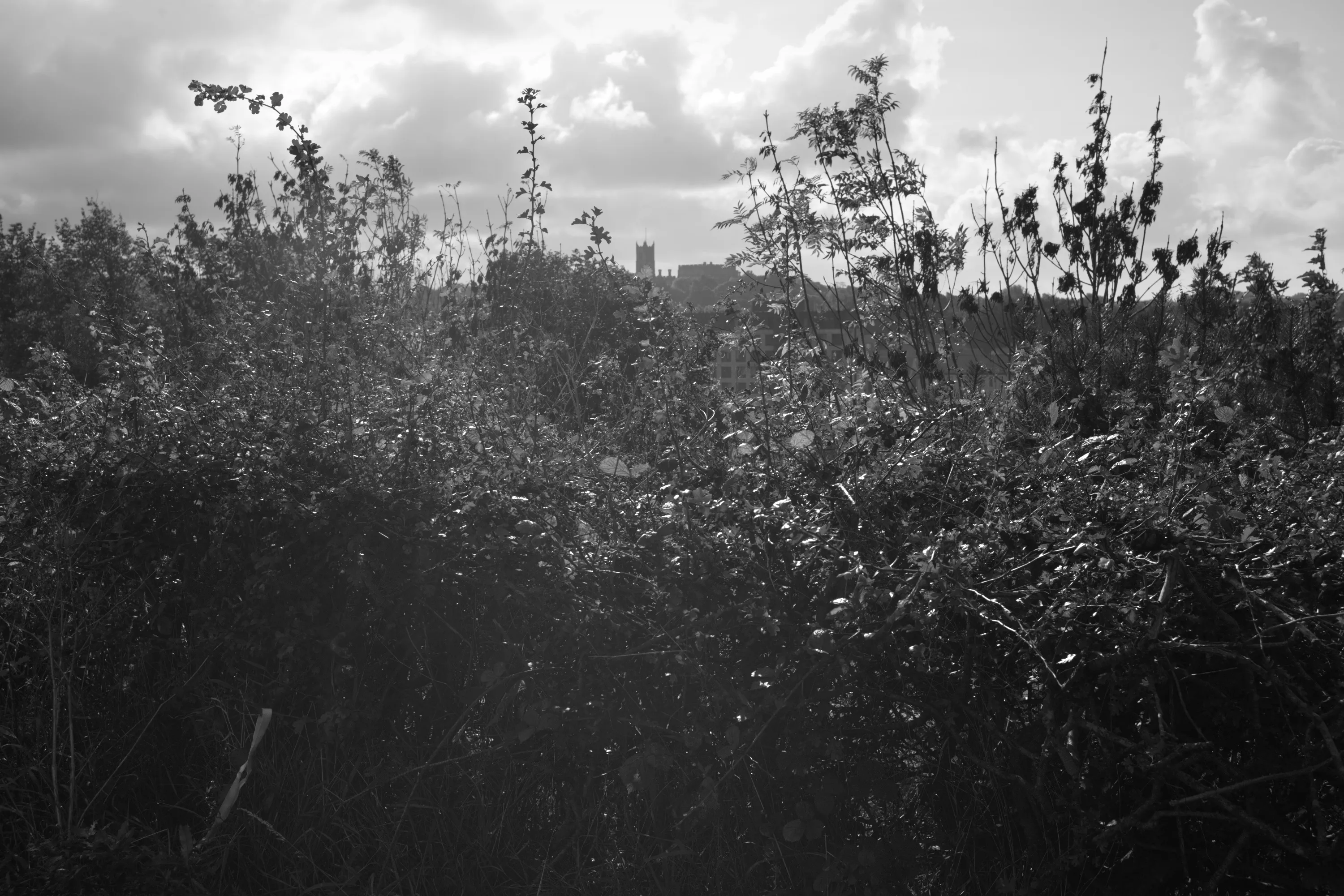
What follows is Omar and Maha’s story, as relayed to me.
2012
The unrest that started in Damascus the year before escalates and spreads more widely. The Syrian Civil War begins.
2013
With occasional difficulty, Omar and Maha continue to commute to Damascus from a small town on the outskirts of the city. He works at a scientific research institute and she works at a large bank. Cynthia, their 21-year-old daughter still lives with them. Their other daughter Sally, two years older and recently married, lives nearby with her husband and his parents.
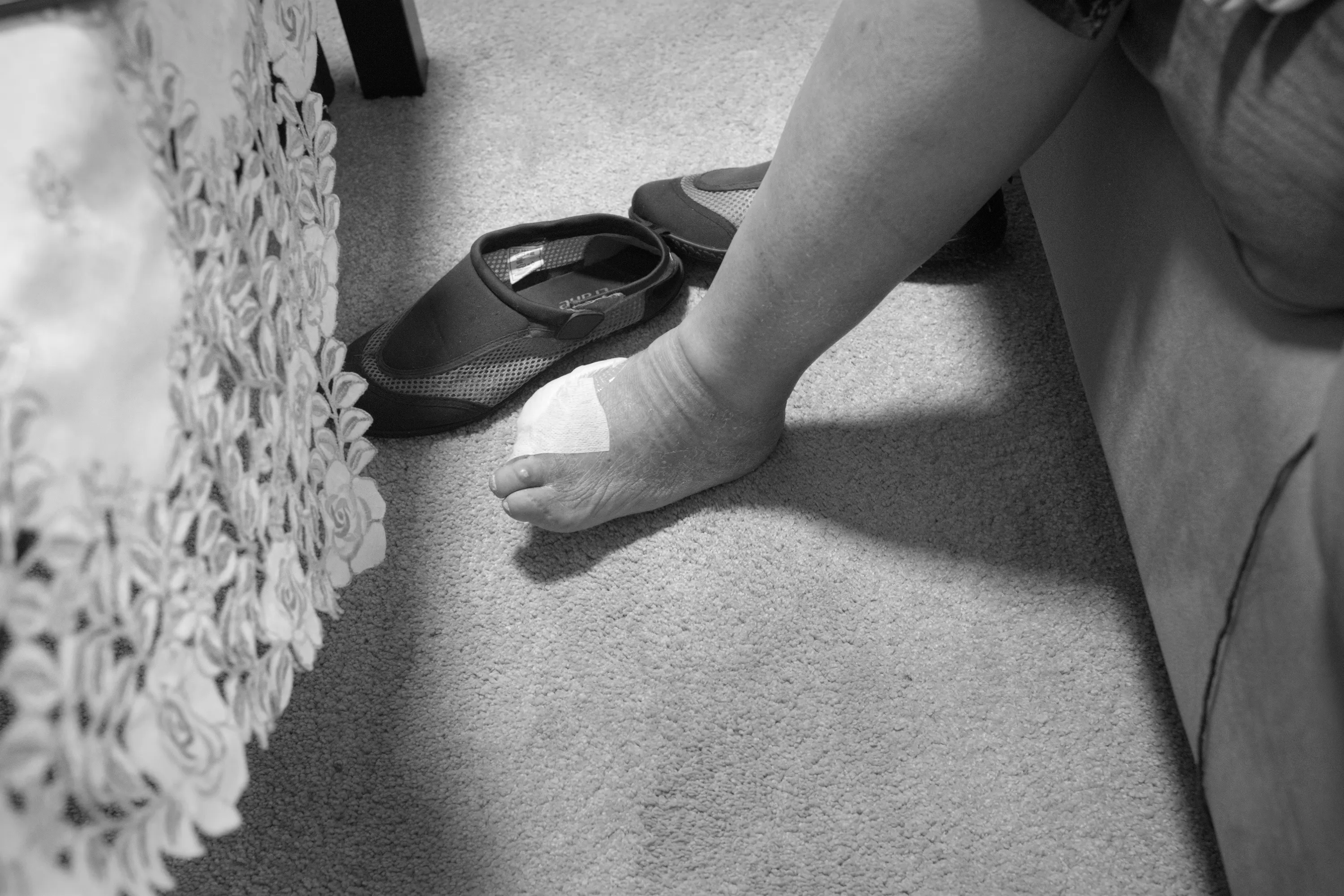
One October evening, while dining outside, an incoming missile bursts in their garden. Cynthia, who had just gone into the house to fetch something, sustains minor injuries. Omar’s arms are fractured by shrapnel. Maha suffers severe trauma to her back, with shrapnel fragments lodged so close to her spine they will prove inoperable. She has a punctured lung and loses part of her left foot. She spends nine days in intensive care.
A few days after Maha’s discharge from hospital, the traumatised family, including Sally and her husband, flees to Lebanon. They briefly stay with Maha’s brother in Beirut before moving into a rented apartment. Maha’s injuries leave her bedridden for three months.
2014
Omar intermittently returns to Syria to repair the badly damaged family home. With his arms not fully healed, he relies on help from friends for heavy manual labour. The Orthodox Church, of which they are members, donates building materials.
In Lebanon, the influx of Syrian refugees drives up rent and food prices. After six months of spiralling costs, the family decide to return to their partly-repaired house. Sally and her husband move back into their house with his parents.
Omar and Maha learn they have lost their jobs. Omar finds a part-time position with a research centre. He will continue to work for them until 2019. Maha’s condition improves, but she is too frail to work. Her pre-existing conditions, including diabetes, become difficult to manage due to medicine shortages.
Later in the year, Omar and Maha become grandparents when Sally gives birth to a girl called Sarah.
2015
With fighting and destruction intensifying, Sally’s husband undertakes the arduous journey to Germany via Turkey and Eastern Europe. On arrival, he applies for refugee status. Later in the year, Cynthia gets married, but stays with Omar and Maha when her husband leaves for Kuwait to take up work there.
2016
Sally’s husband is awarded refugee status in Germany.
2017
Sally, with her daughter, emigrates to Germany to join her husband. The war continues and Omar starts enquiring about academic positions in the UK.
2018
In Germany, Sally gives birth to her second child, a girl called Maya.
2019
After four years, Cynthia is finally granted a visa to visit her husband in Kuwait. During her visit, they arrange permanent residence for her. She has to return to Syria and then re-enter Kuwait for her status to take effect. To date, this is the last time Omar and Maha see their daughter in person.
After many email messages, Omar is put in touch with faculty at a British university. Toward the end of the year, after further correspondence, he is awarded a fellowship to travel to and work there.
2020
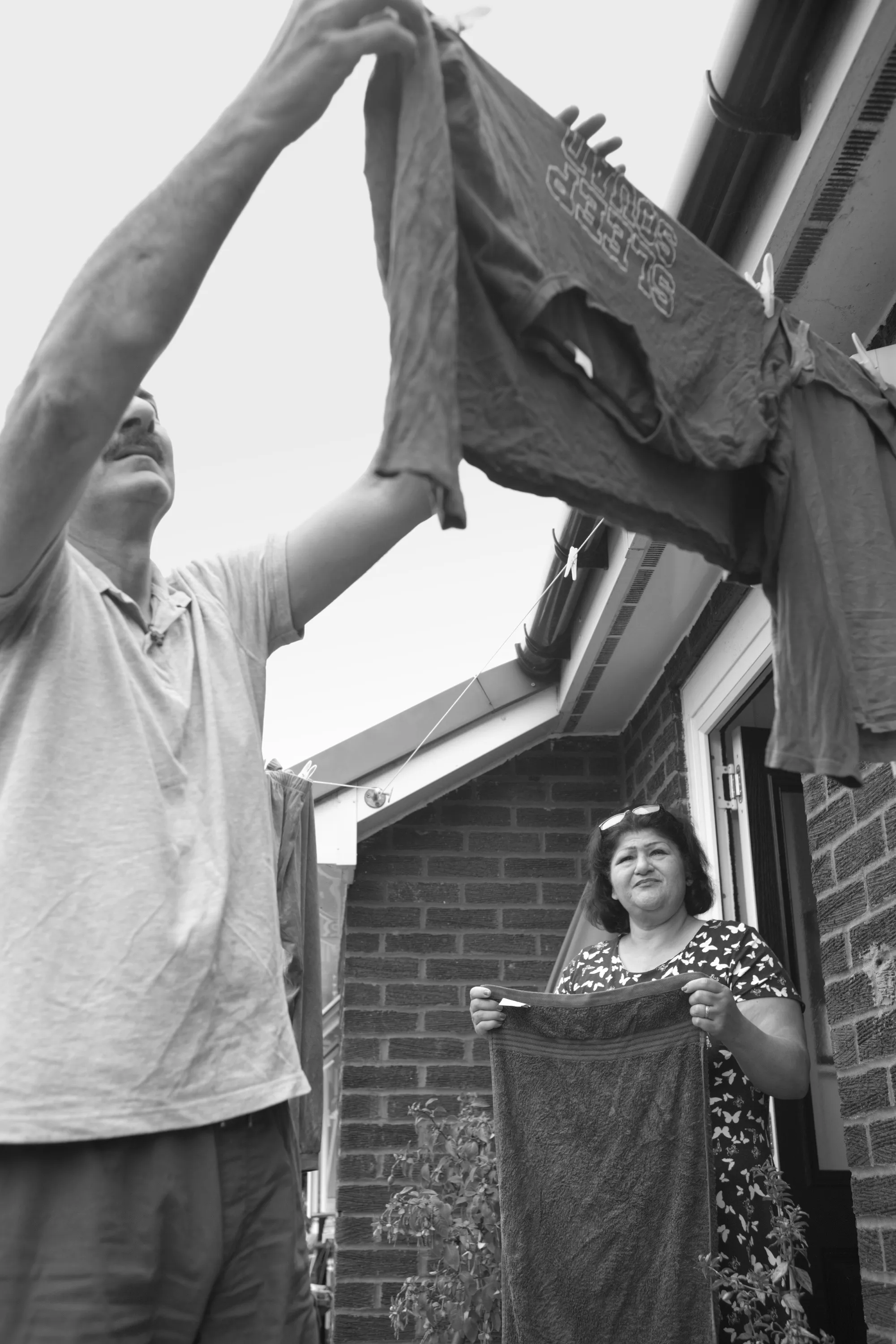
In February, Omar and Maha arrive at the host university and find a rental apartment. One month later, Britain goes into lockdown due to the global Covid-19 pandemic.
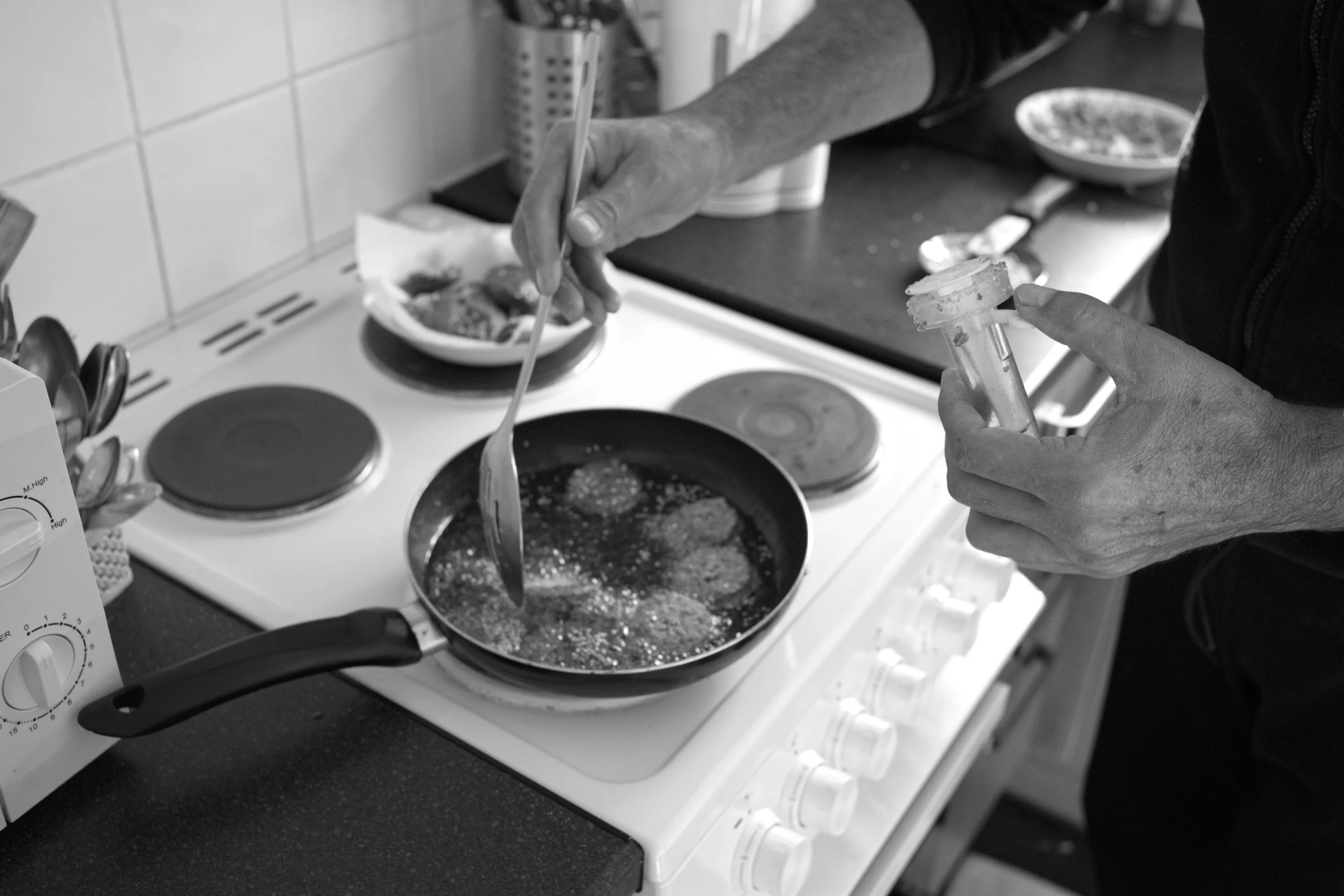
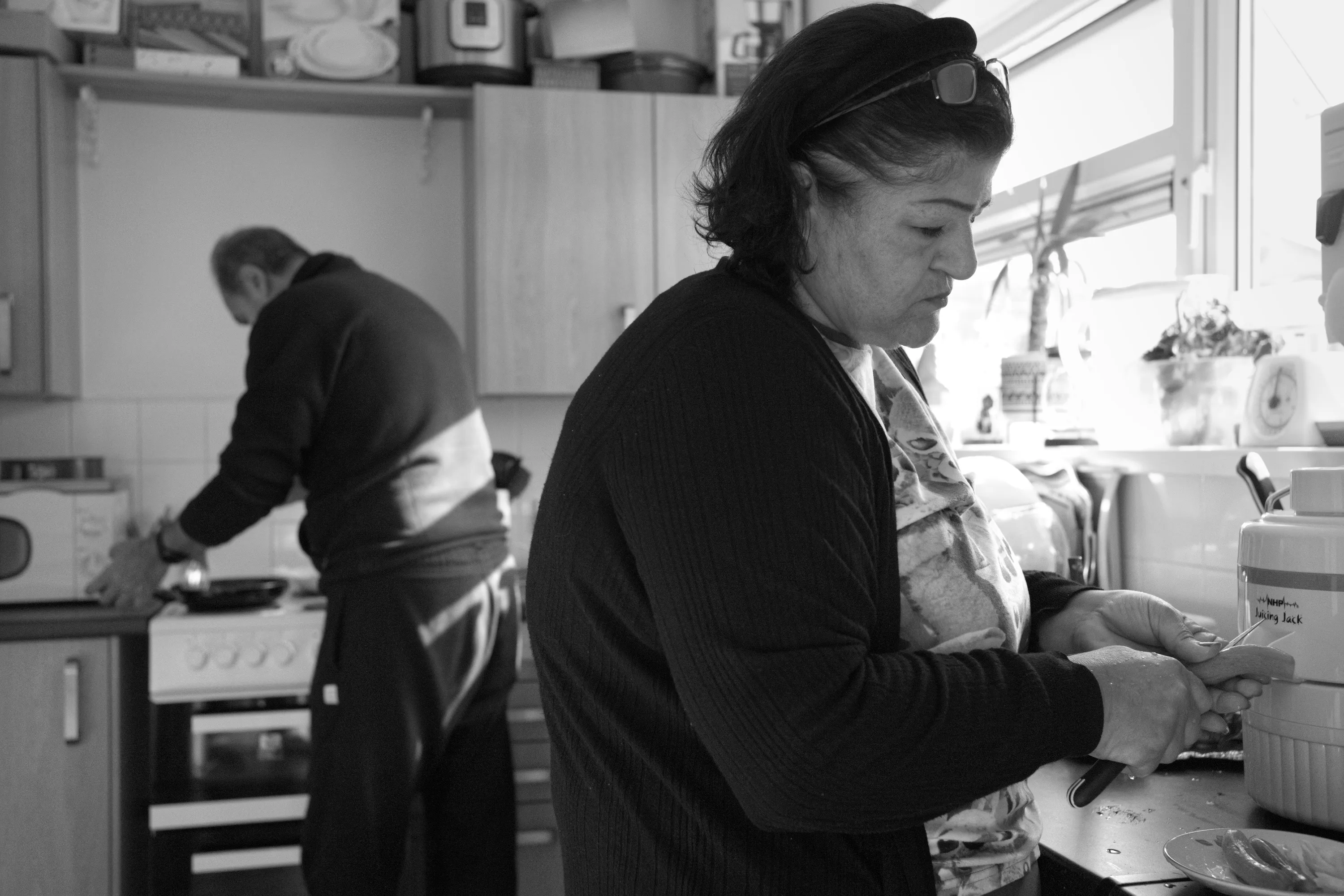
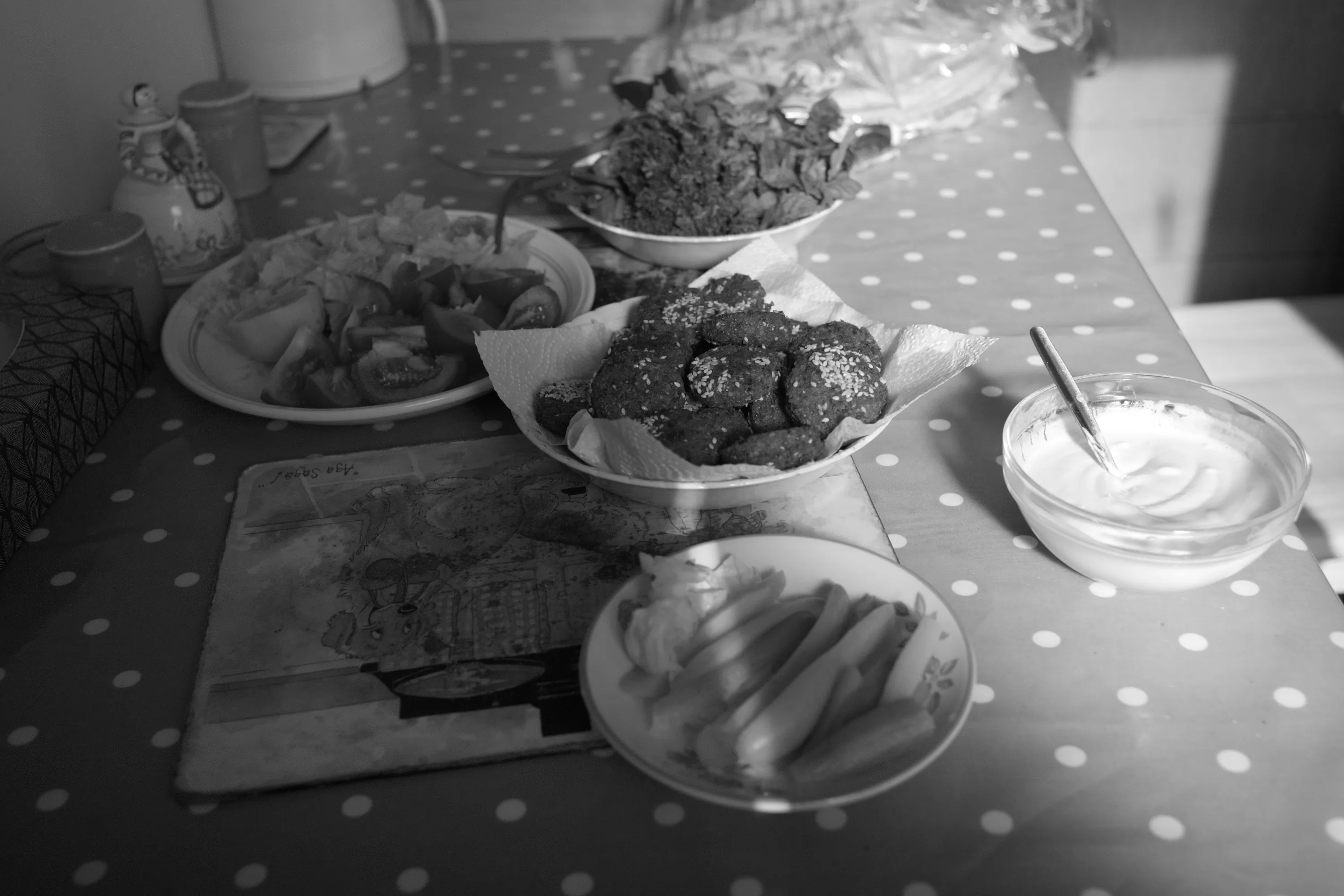
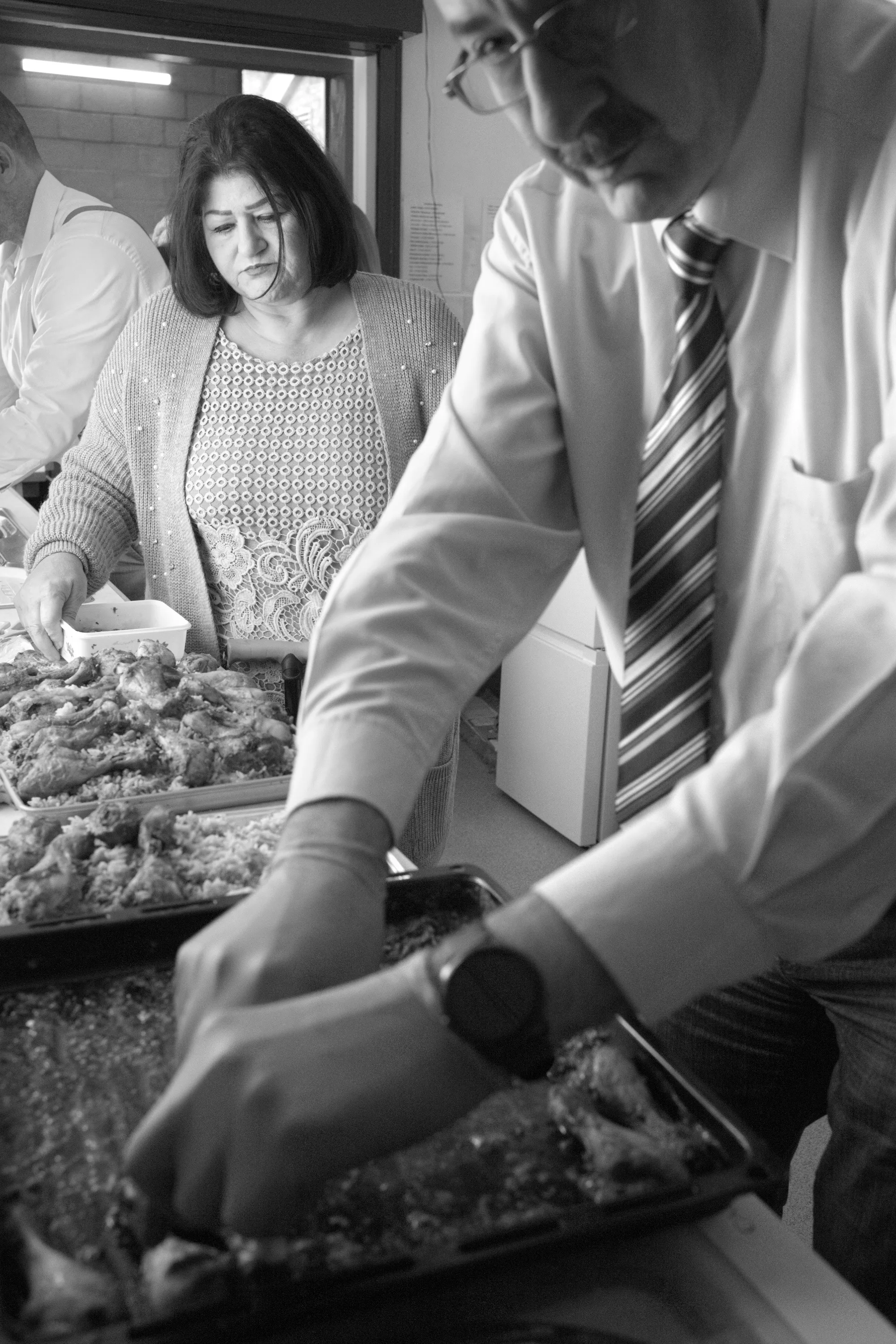
Without access to the university laboratory, Omar is unable to conduct his research and by August his fellowship terminates. Omar and Maha face poverty and deal with depression, which is exacerbated by the compulsory isolation of lockdown. They draw on savings and generate some income by preparing and delivering Middle Eastern food to the doorstep.
Out of options, later in the month they take the difficult decision to apply for asylum in Britain. While they await a decision from the Home Office, they cannot work and face a period of severe financial strain relying on the last of their savings. One consolation is that Maha is entitled to healthcare.
2021
Twelve months after their application, Omar and Maha are granted asylum in Britain. They become eligible for financial benefits and move into council housing. Their financial position is tight, but tenable. In Kuwait, Cynthia gives birth to Majd, their first grandson.
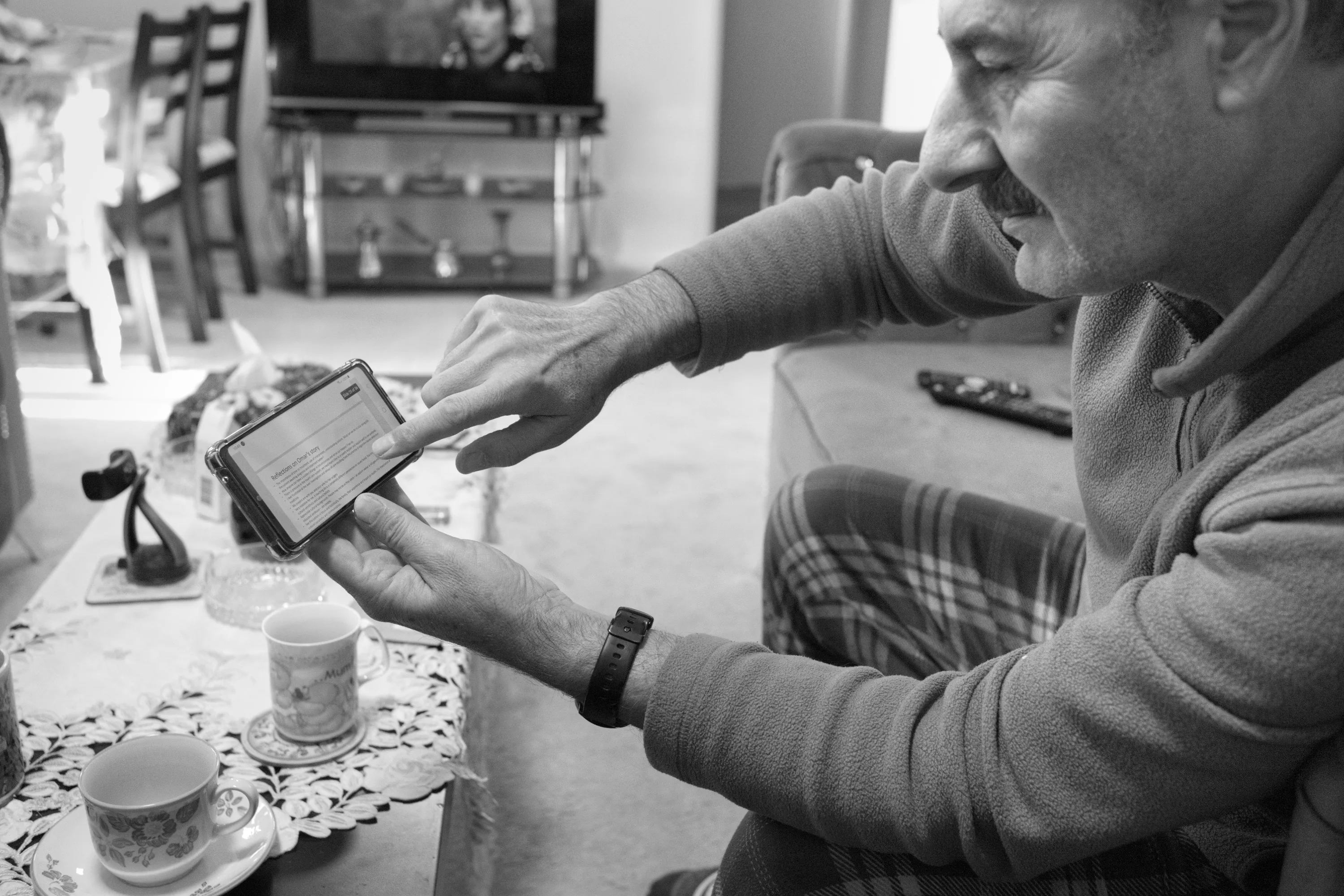
Maha continues to face problems with her health and is in and out of hospital. Omar volunteers with three charities that provide assistance to asylum seekers, refugees, and those experiencing poverty.
2022
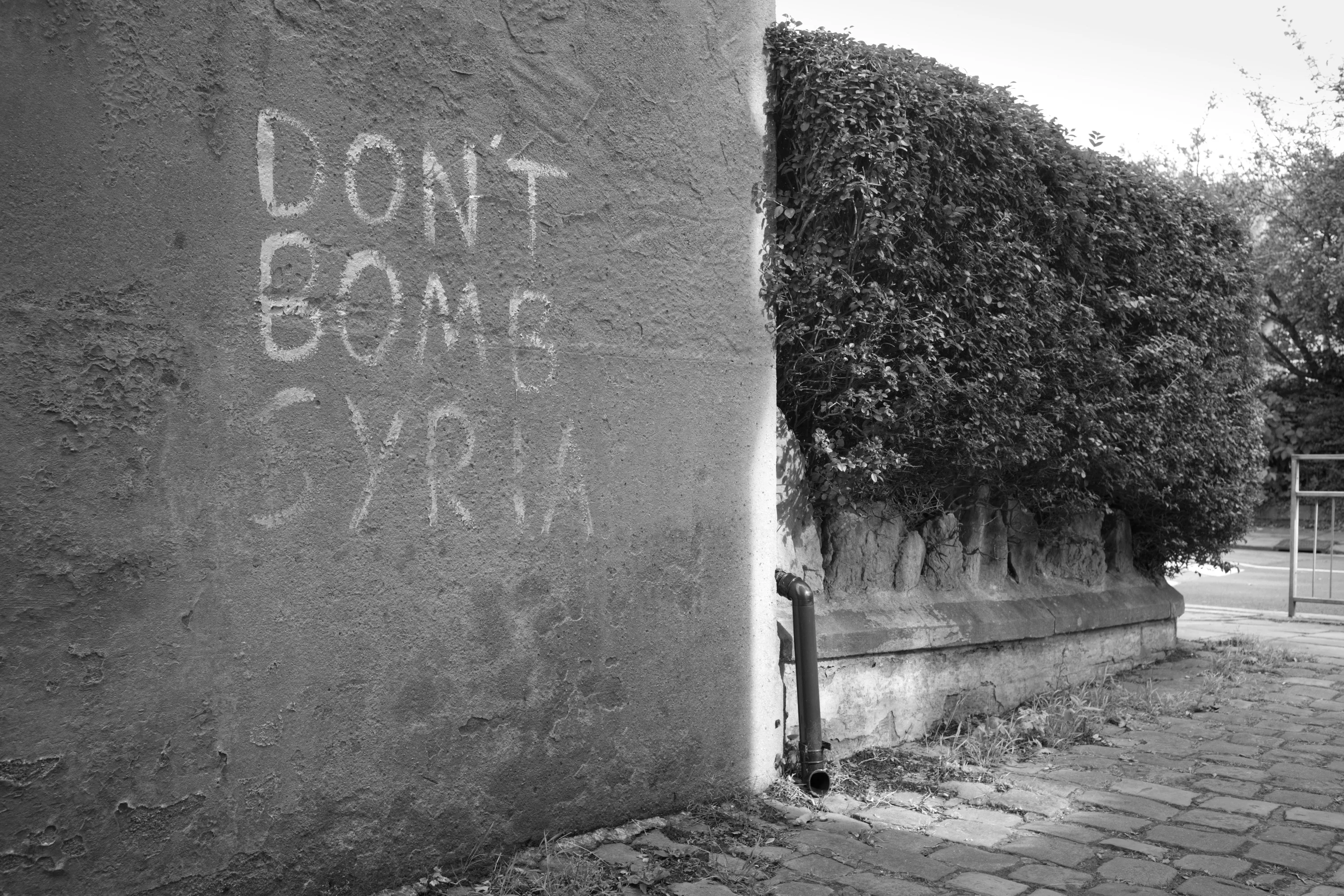
The Syrian Civil War continues, by now involving many domestic and foreign forces in varying configurations of allegiance and opposition to each other and the Syrian government. By the end of the year, the war has resulted in an estimated 5.5 million refugees1 and 306,887 civilians have been killed.2
2023
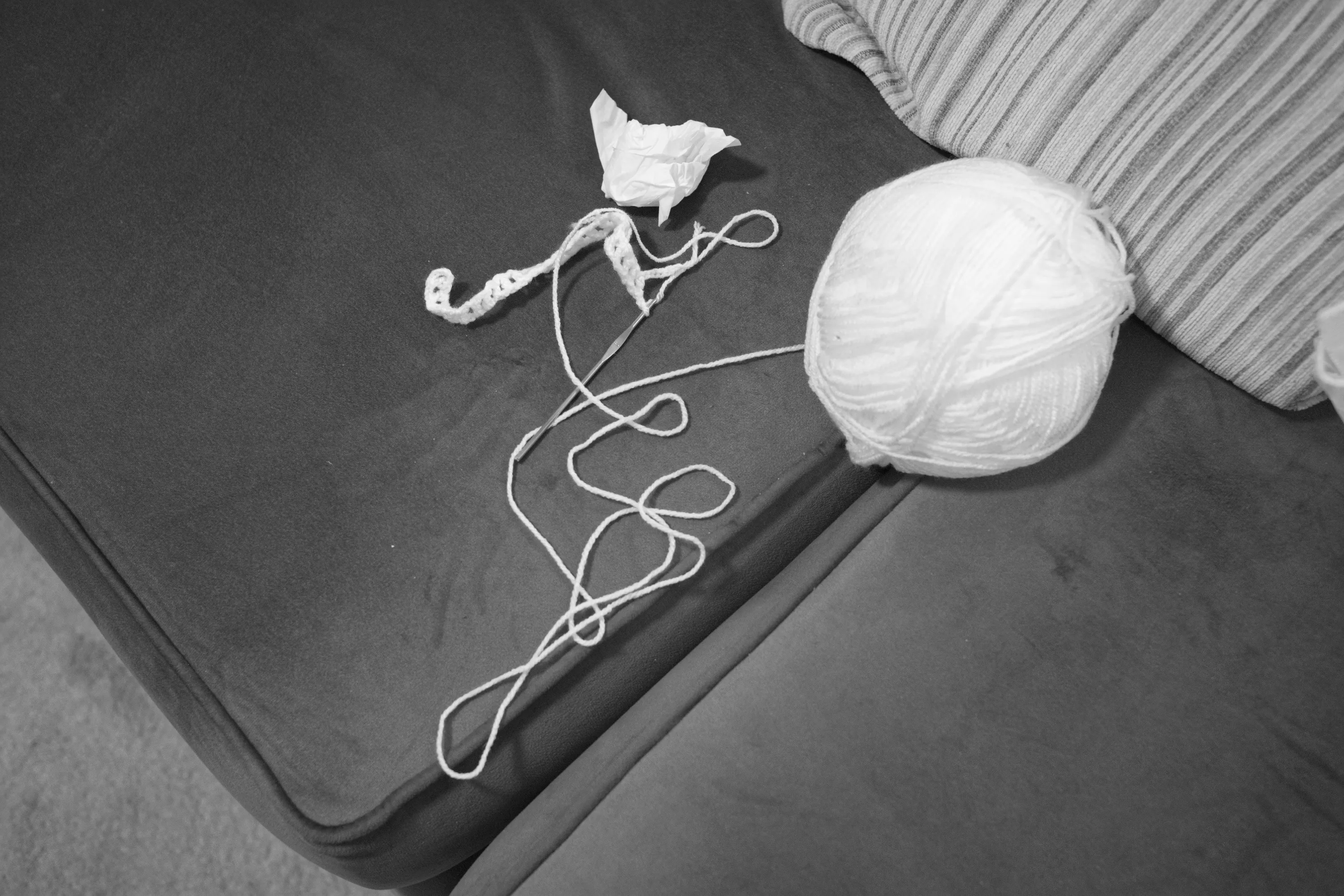
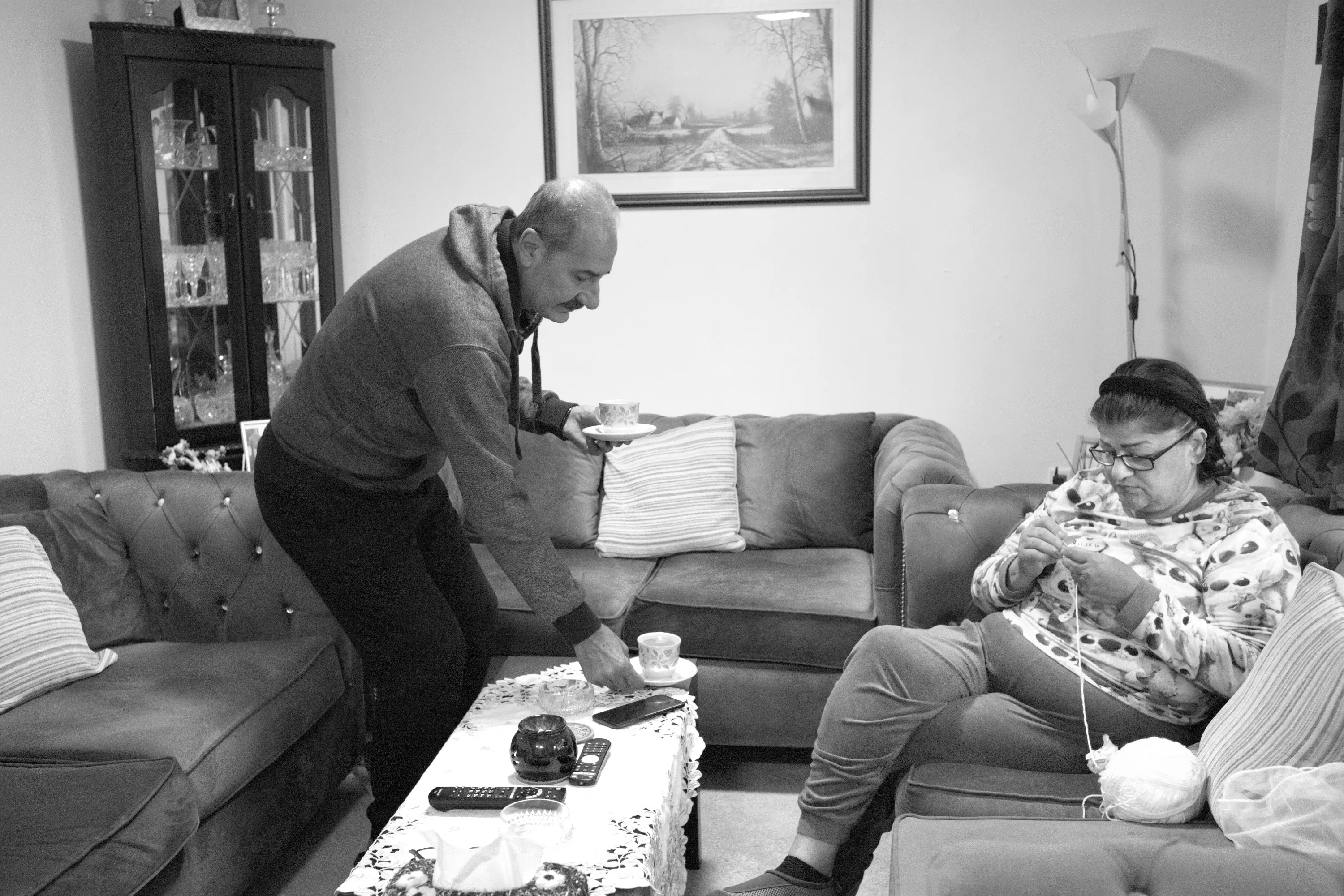
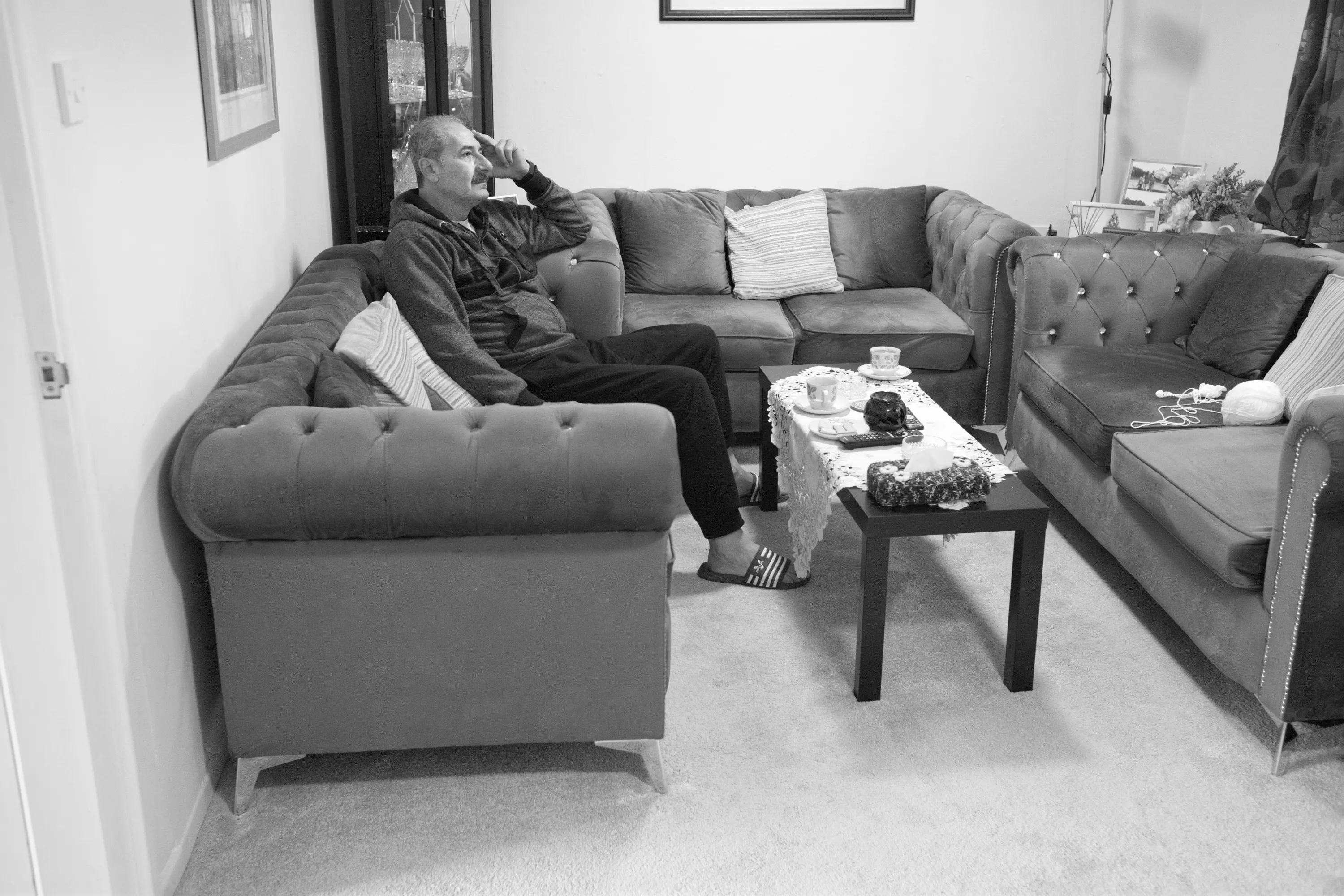
Omar and Maha continue to adjust to their lives in Britain. Amongst other problems, Maha receives treatment for the wound on her foot that still has not healed, a new problem with her eyes, narrowing arteries in her legs, and dental damage sustained during the bombing ten years earlier.
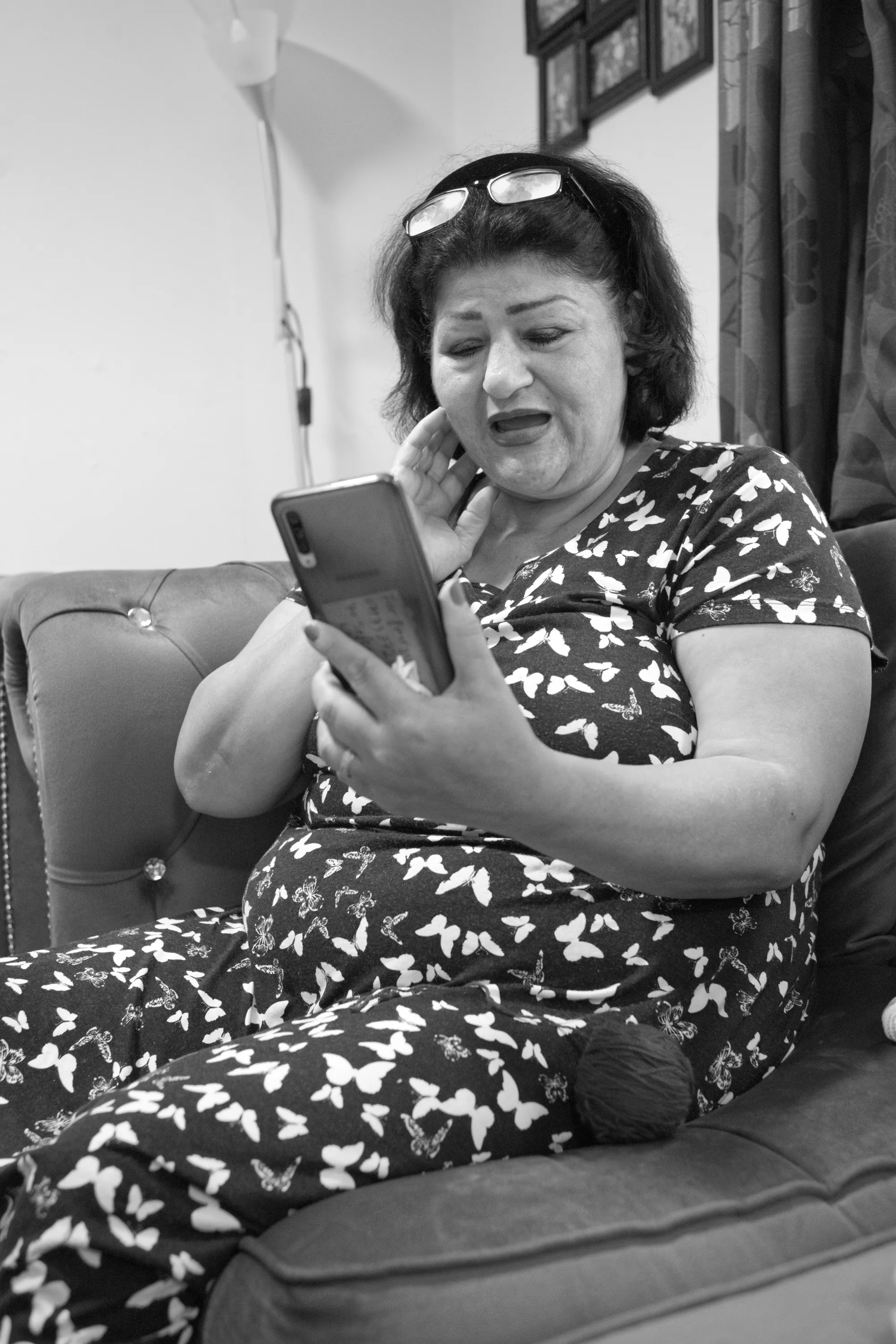
Omar and Maha visit Sally and her family in Germany. Kuwait does not recognise Omar and Maha’s British travel documents, so they cannot visit their youngest daughter Cynthia. She and her family, in turn, cannot travel to the UK from Kuwait on Syrian passports. Omar and Maha have yet to meet their grandson.
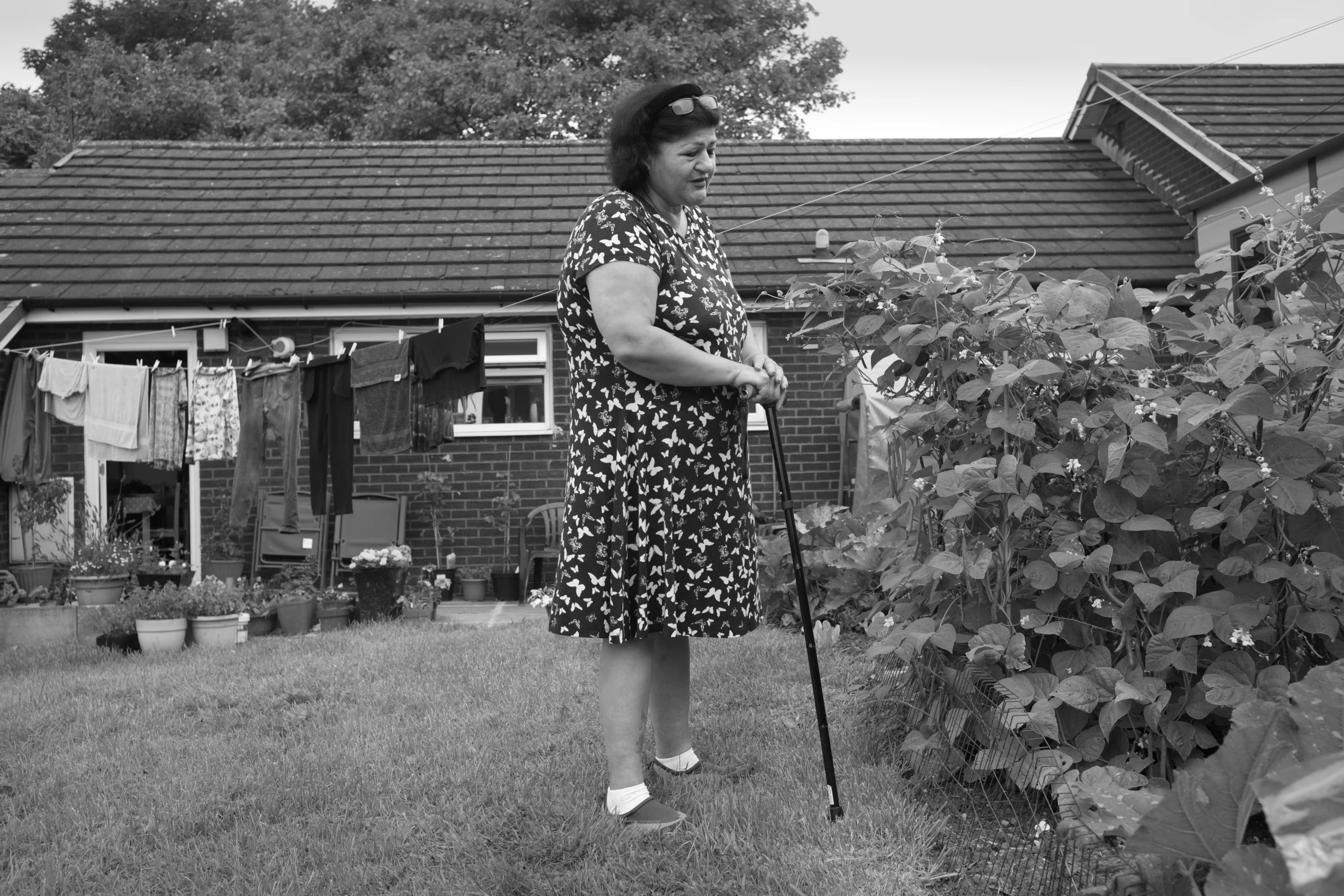
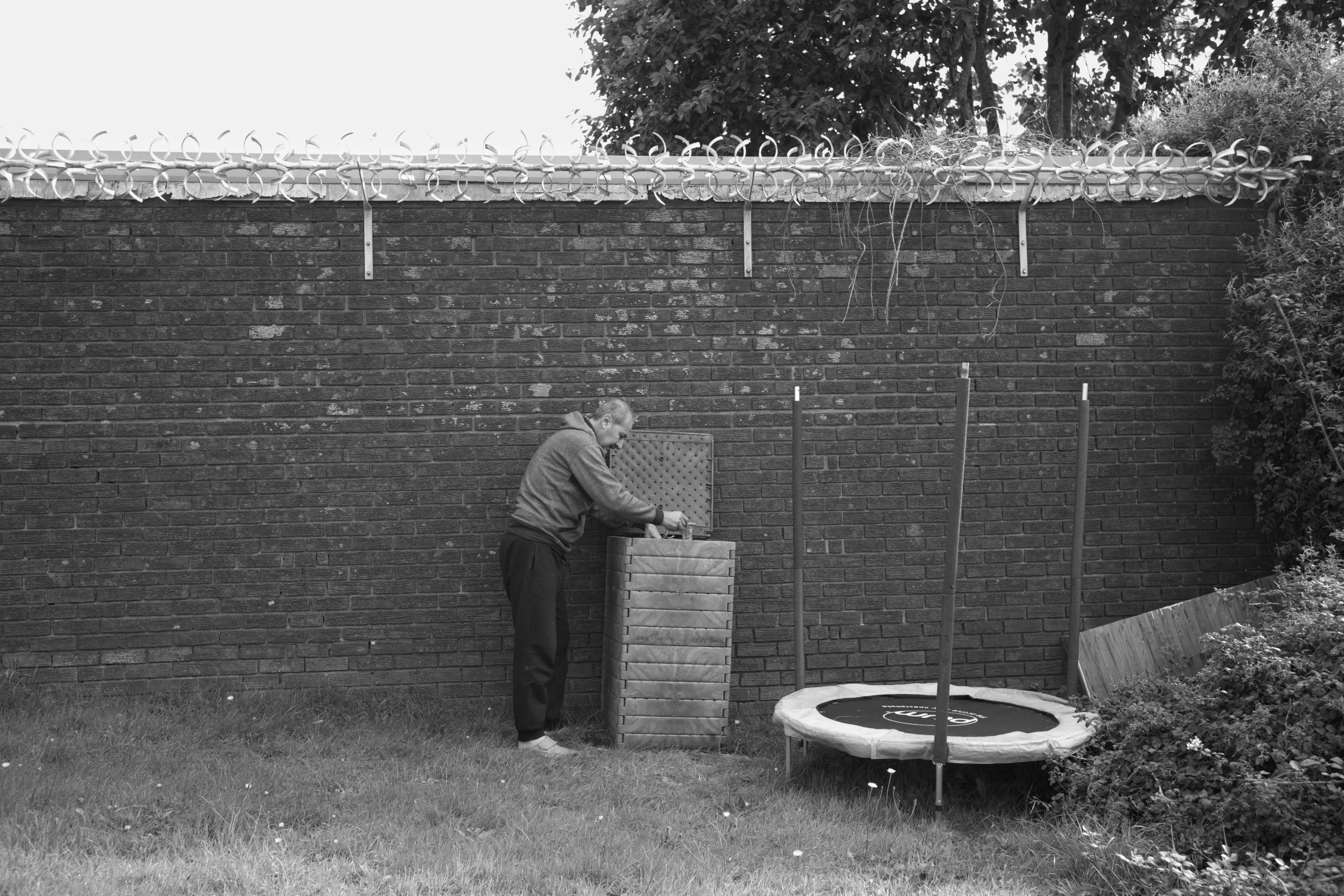
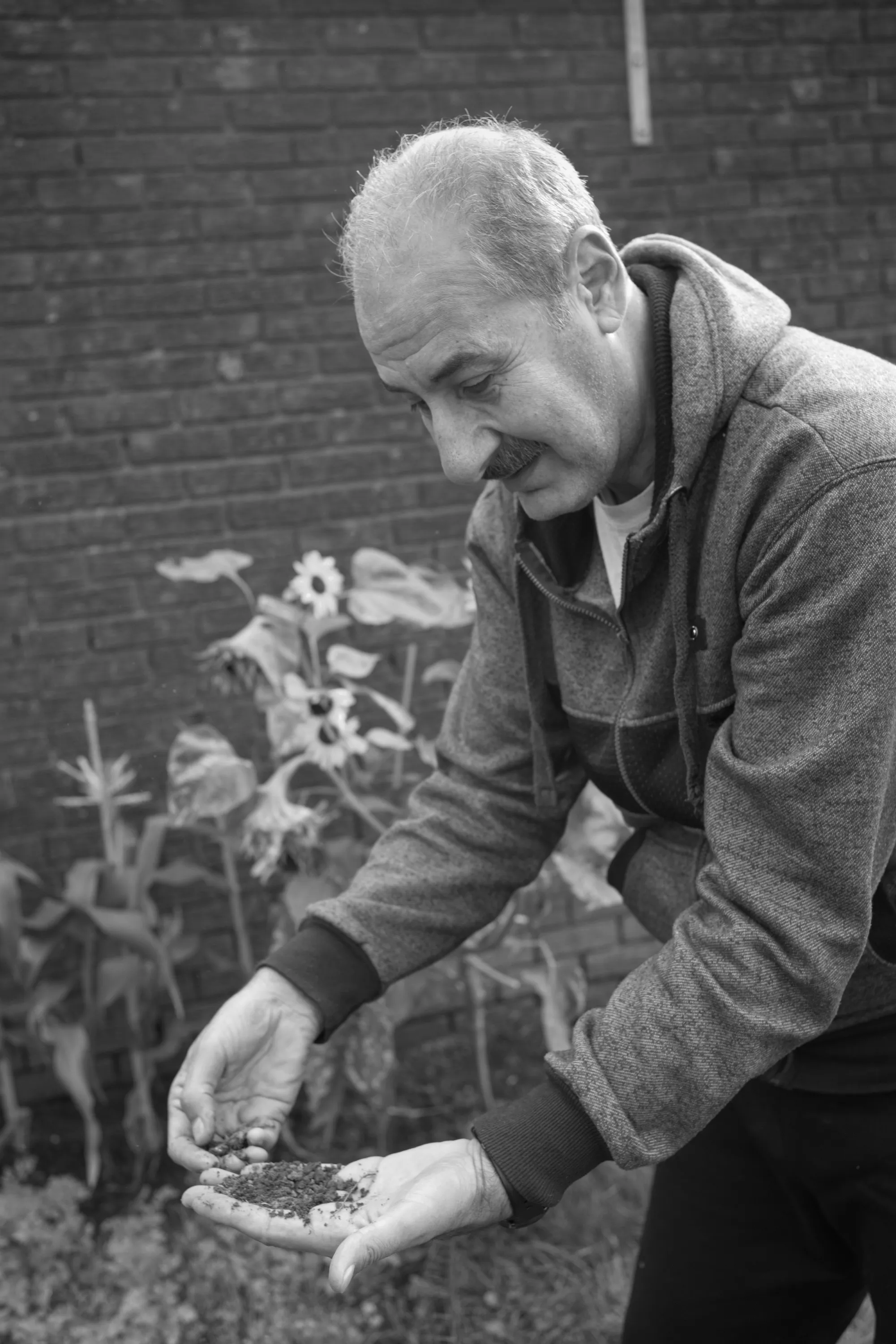
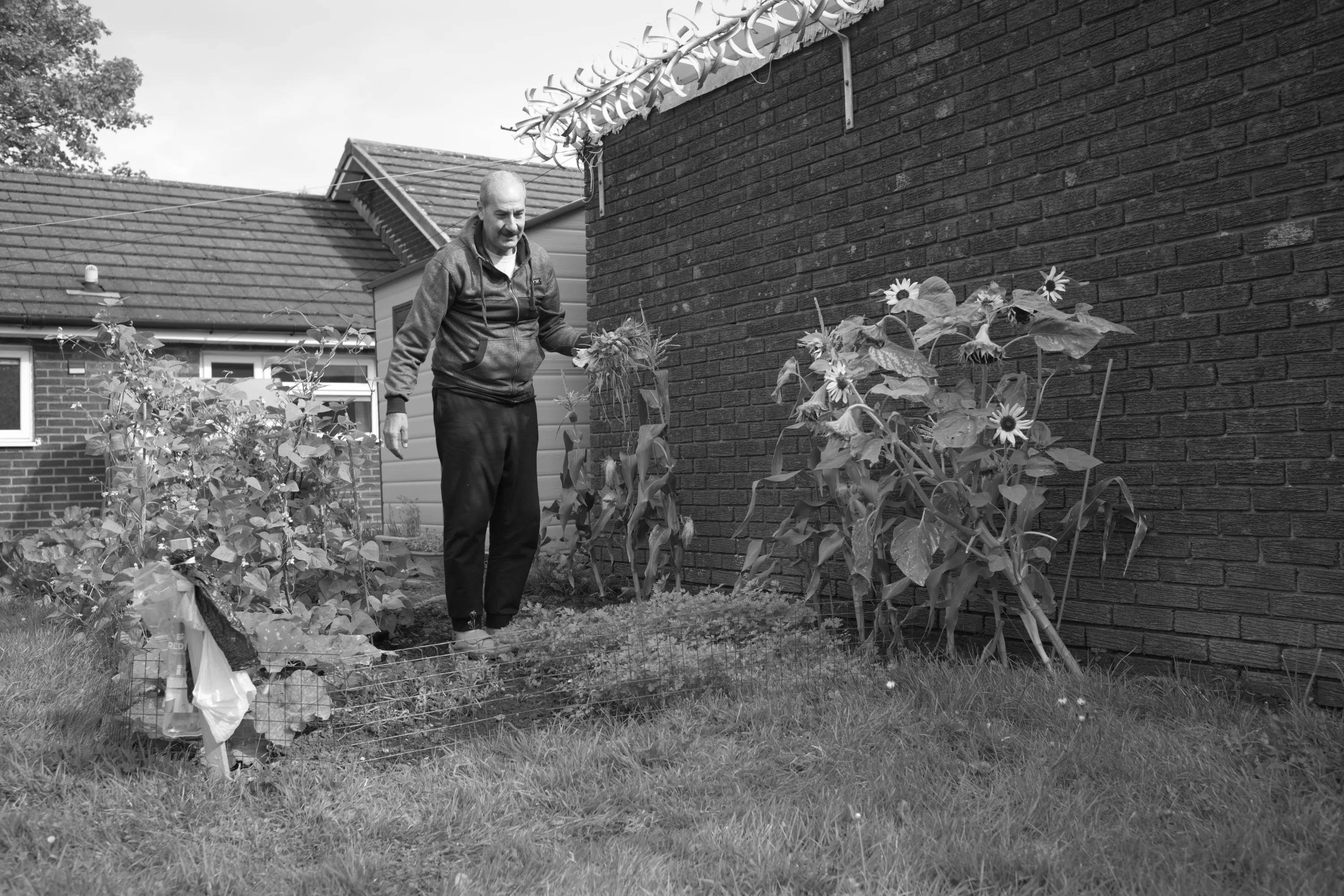
When he is not helping his wife or doing voluntary charity work, Omar tends to a vegetable garden that he has created behind their new home. At the end of the year, he joins the Board of Trustees for one of the charities he works with.
References
- UN High Commissioner for Refugees, Operational Data Portal, Syria regional refugee response. Retrieved 14 November 2023.
- UN Office of the High Commissioner for Human Rights, Behind the data: recording civilian casualties in Syria. Retrieved 14 November 2023.
Acknowledgements
This work was facilitated by Morecambe Bay Poverty Truth Commission.