Living with the Knowledge
2023
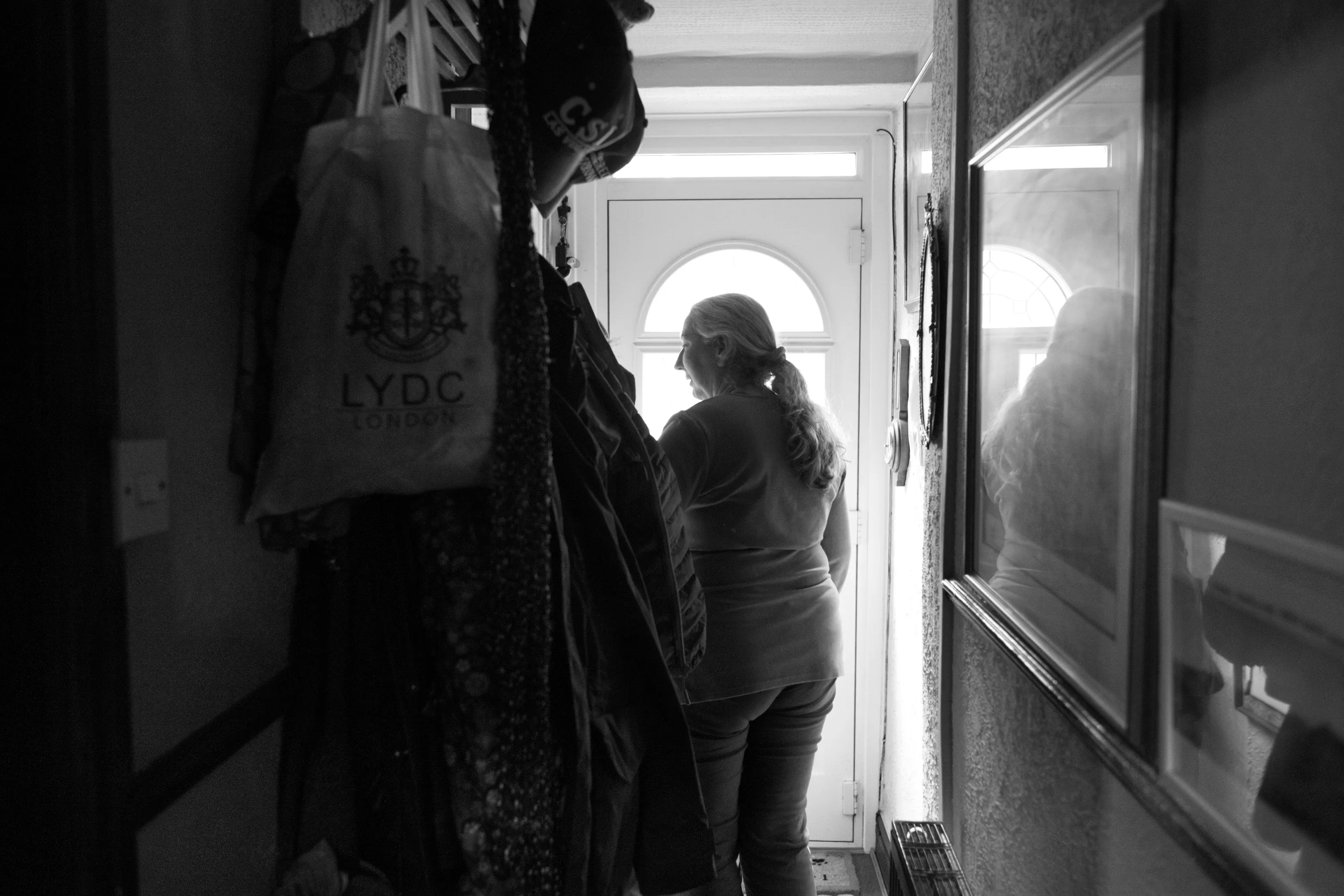
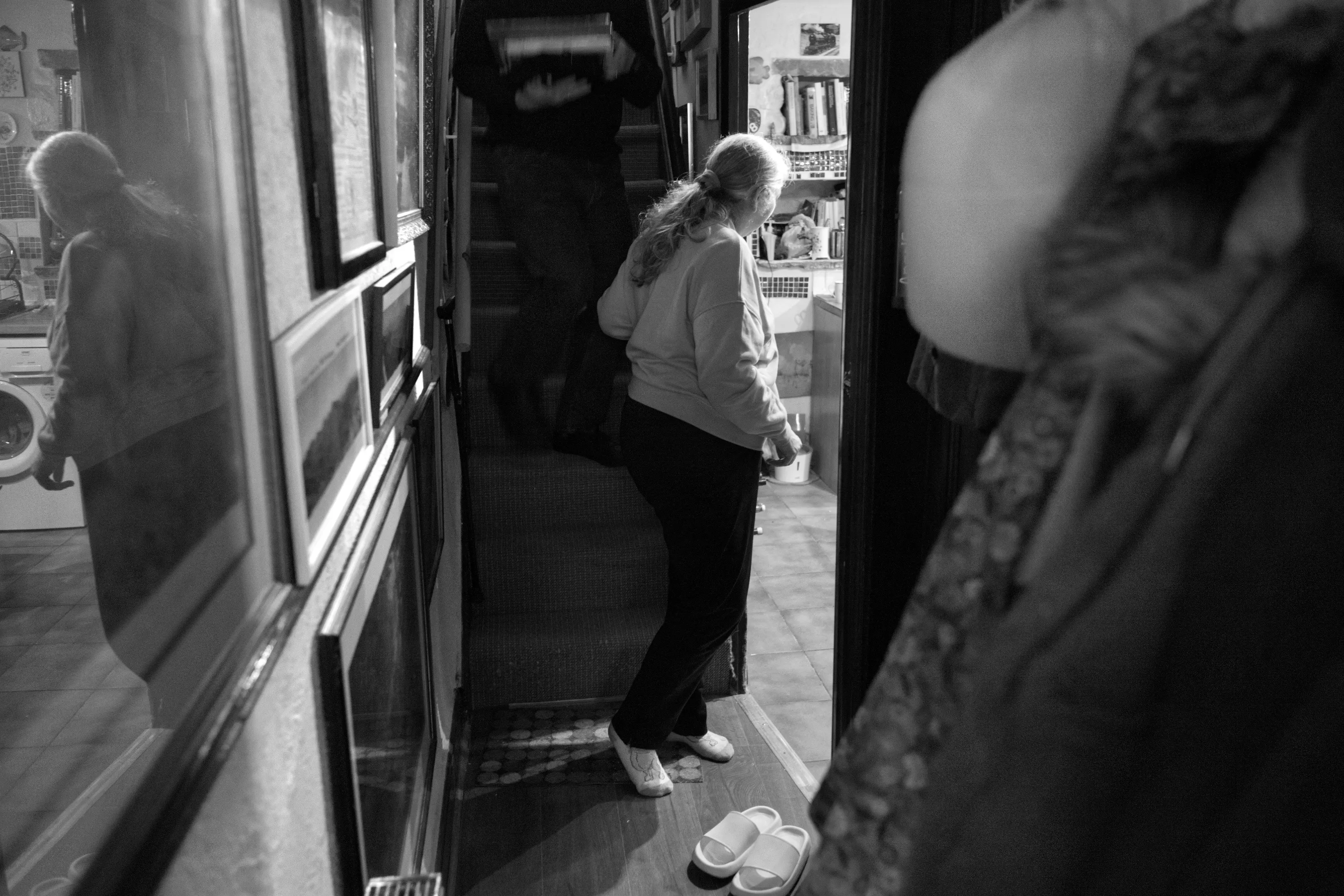
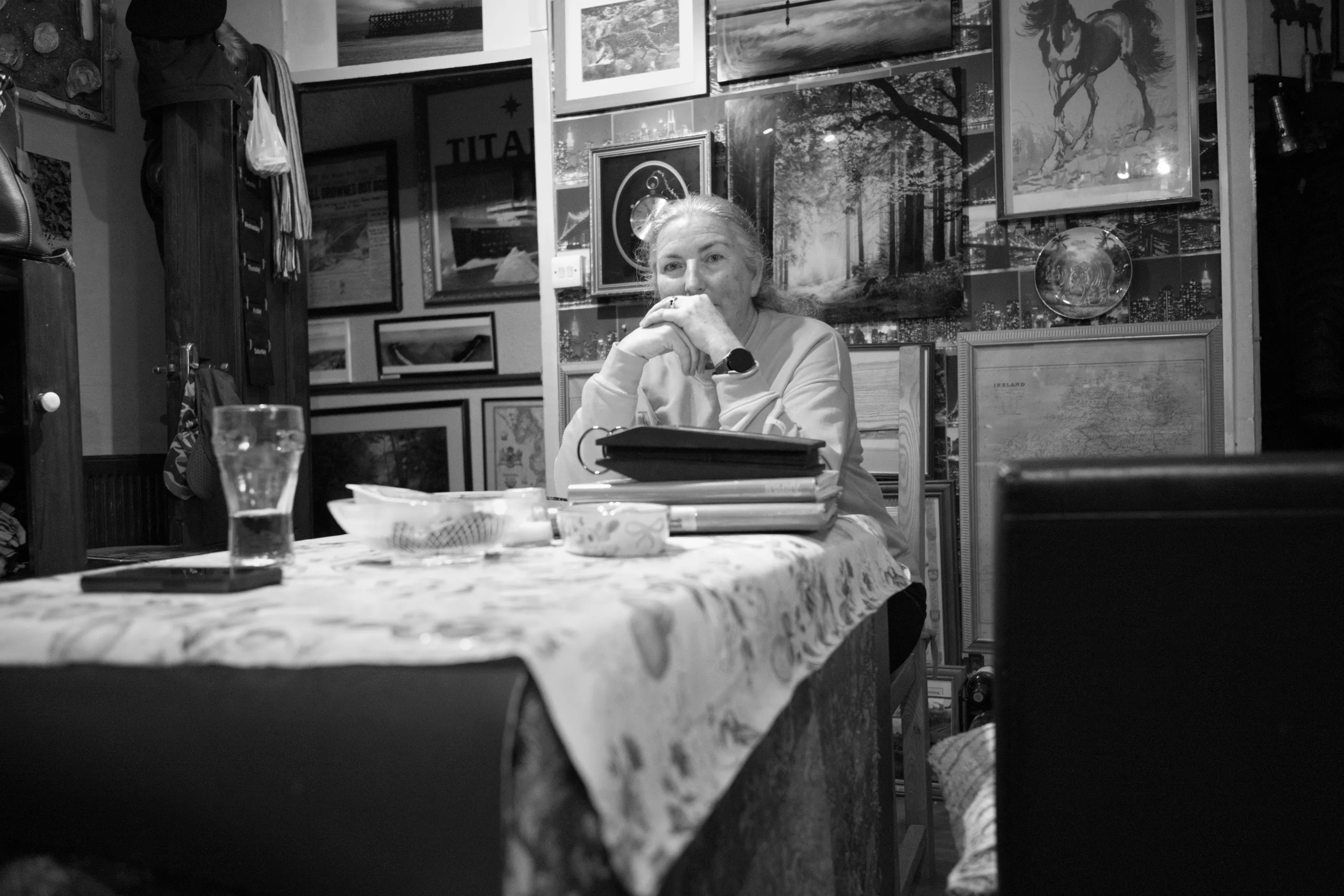
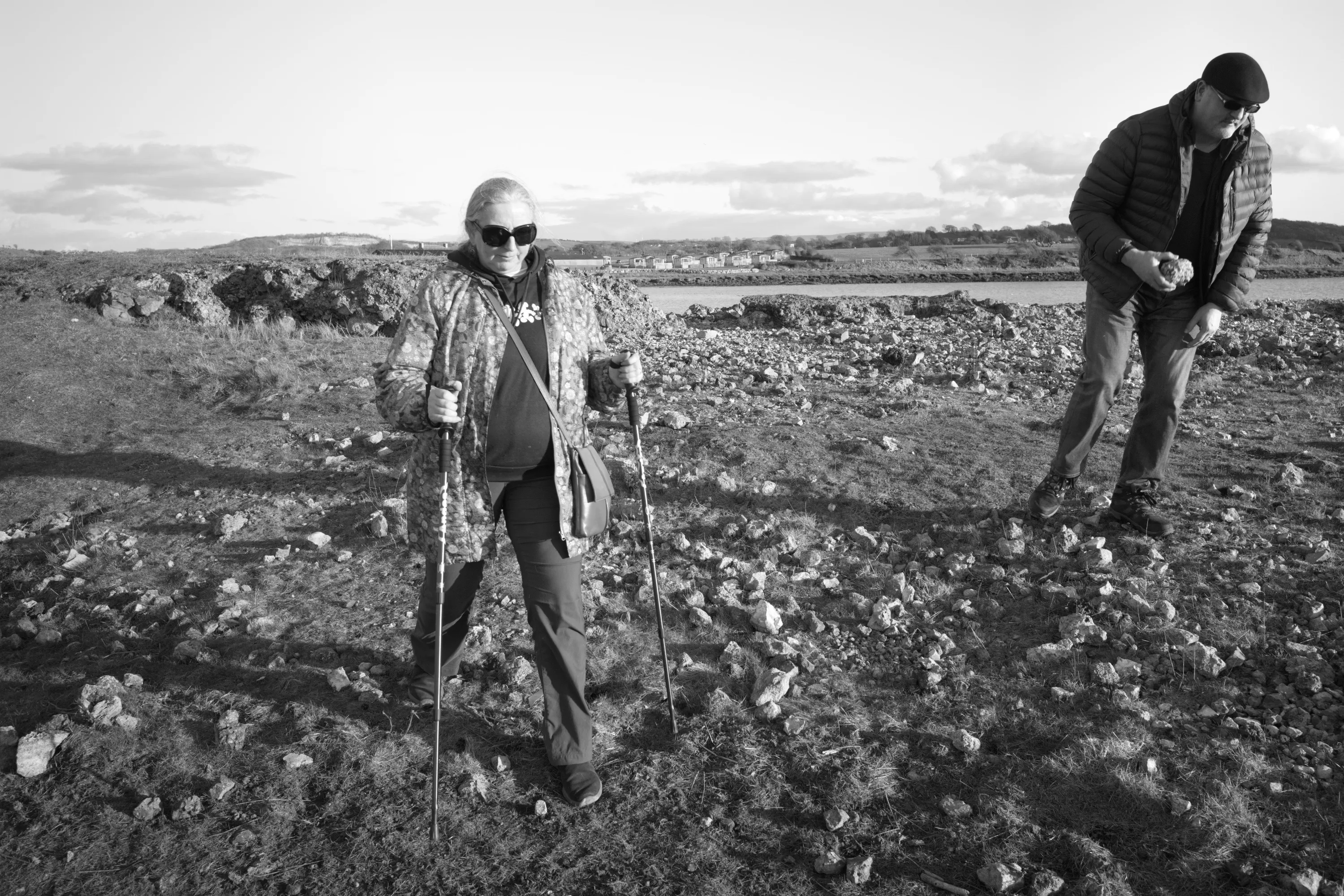
Fiona was diagnosed with early-onset Parkinson’s disease in her mid forties. At the time, she was a police community support officer leading an active and healthy life. Much of her spare time was spent outdoors. Since her diagnosis just over a decade ago, she has lived with the knowledge that nerve cells deep in her brain are dying. Her body does not behave like it used to and her condition makes her anxious and depressed.
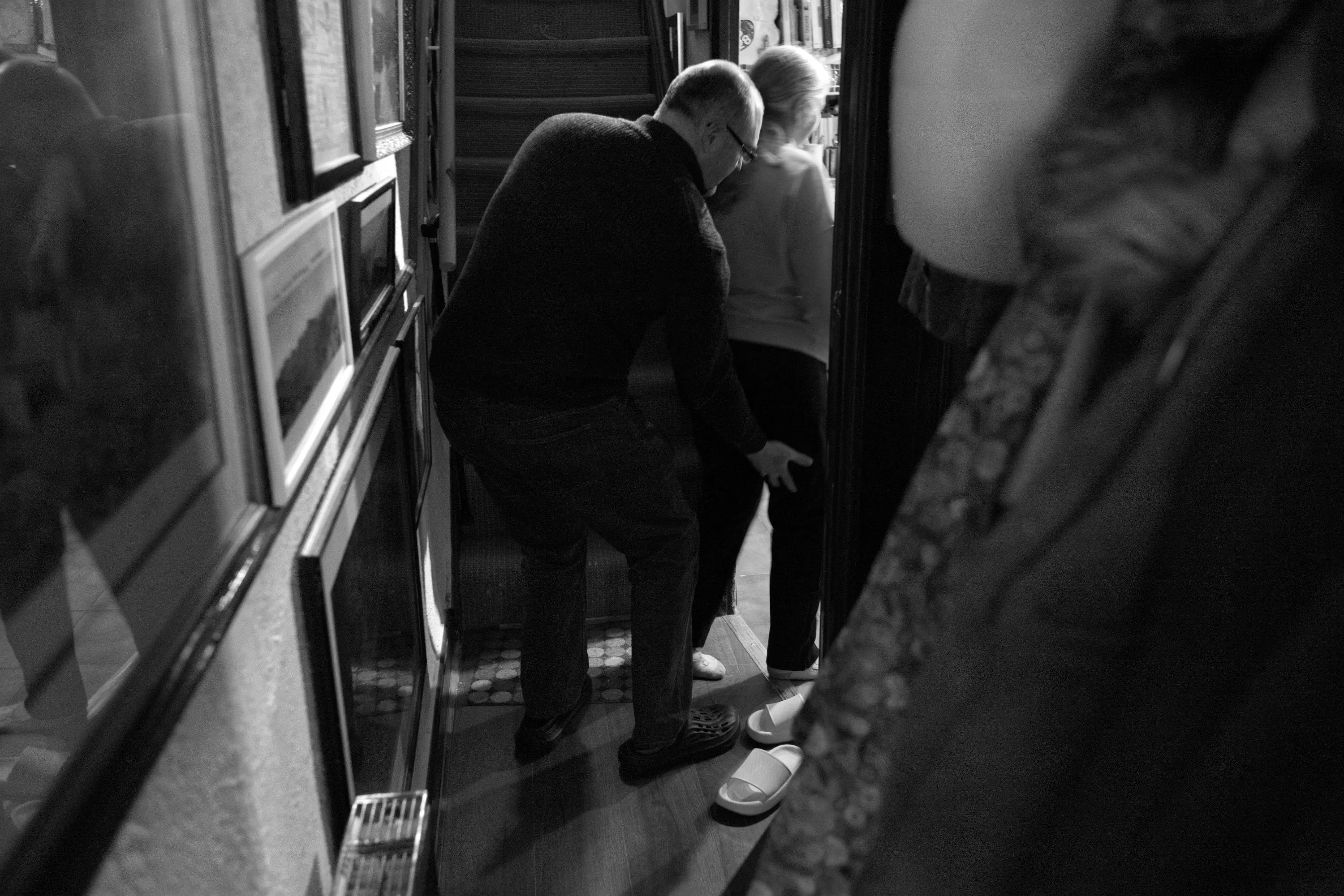
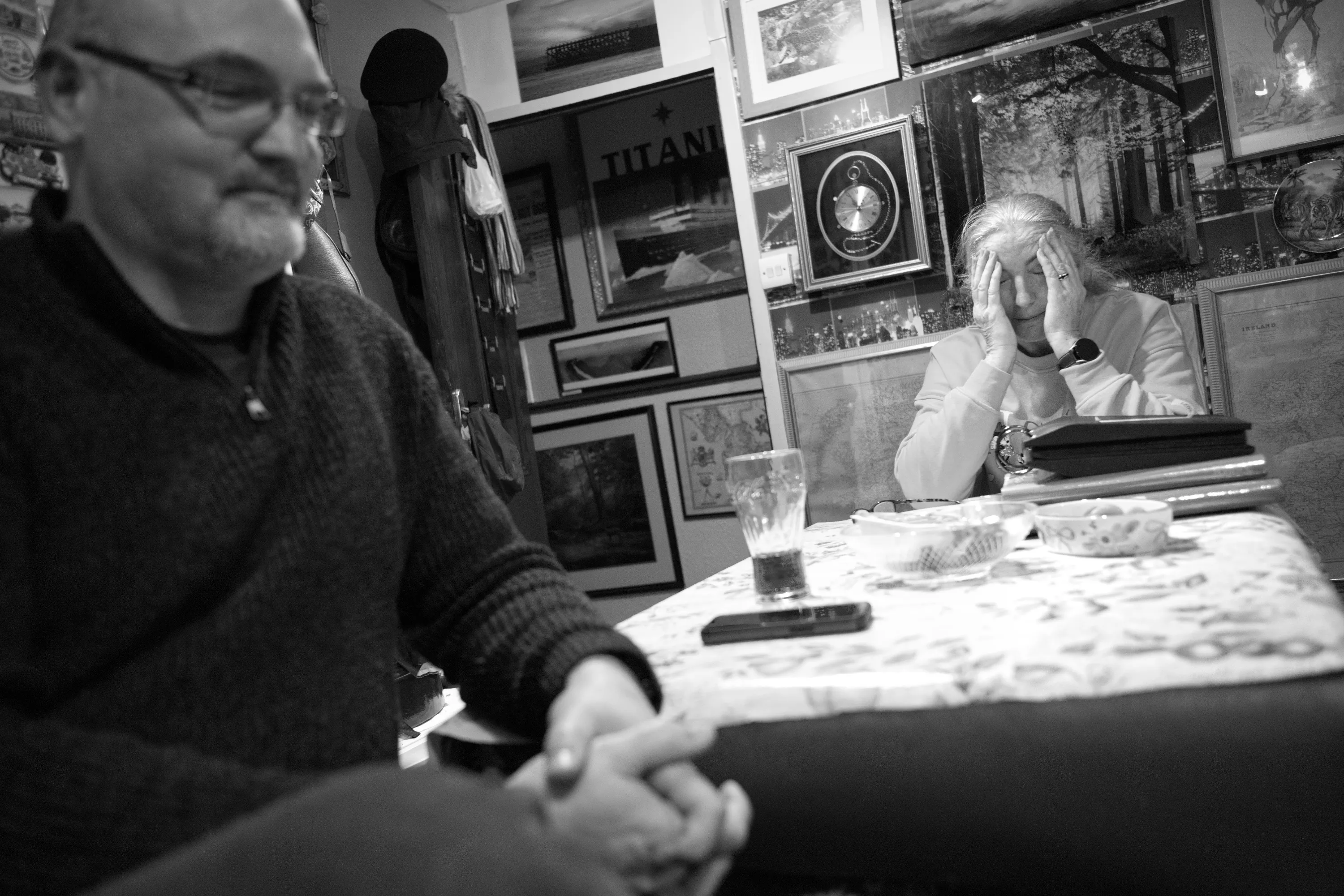
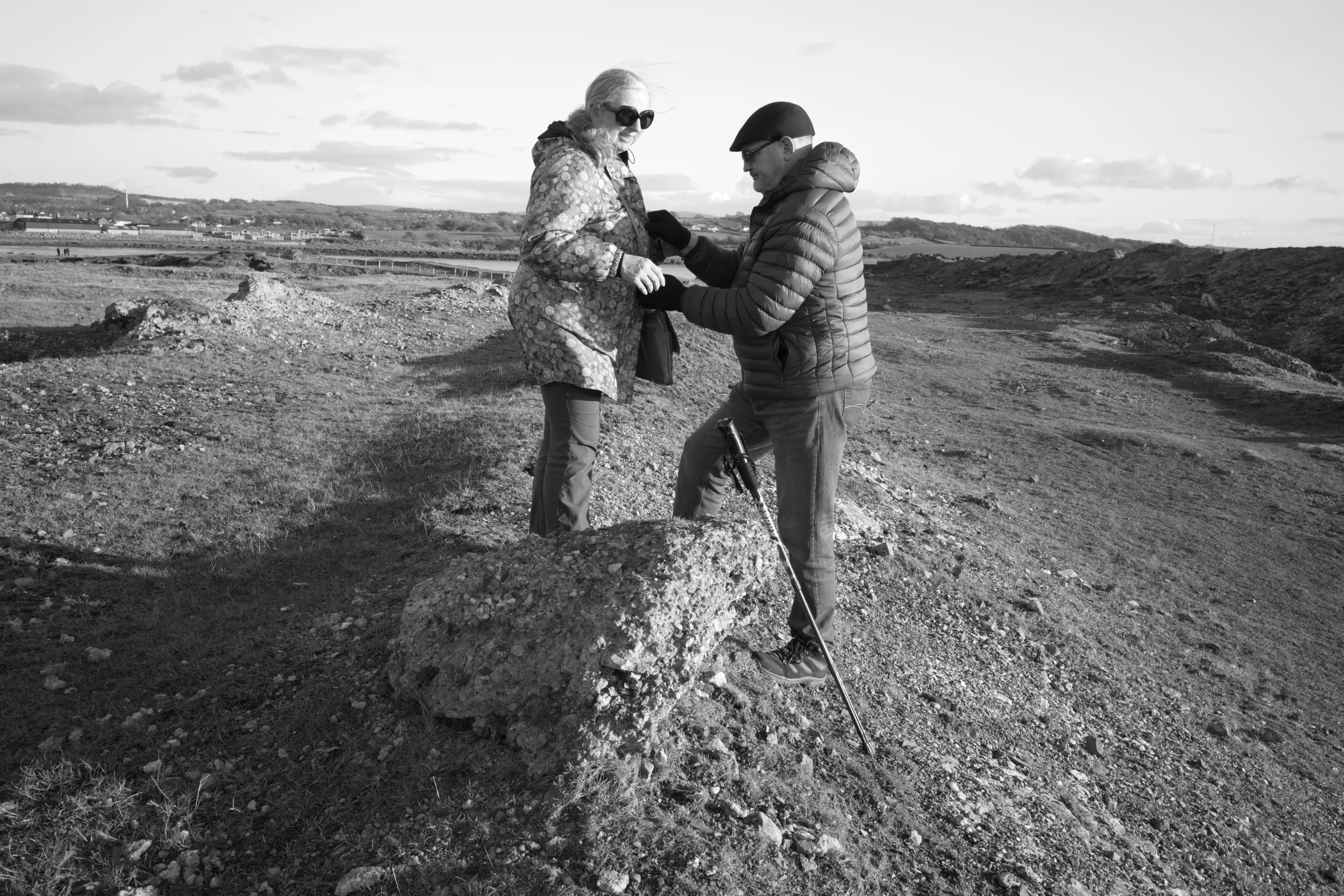
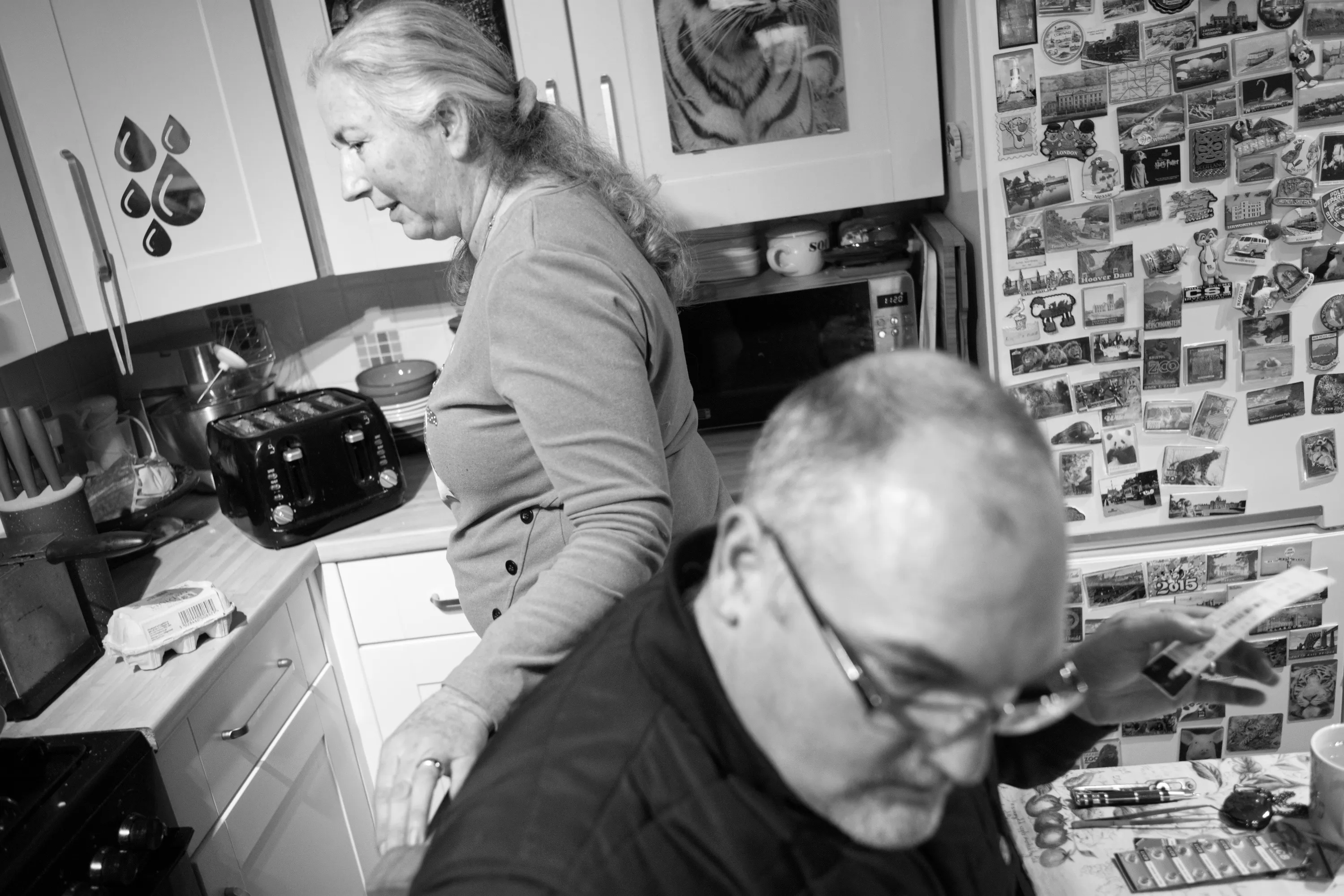
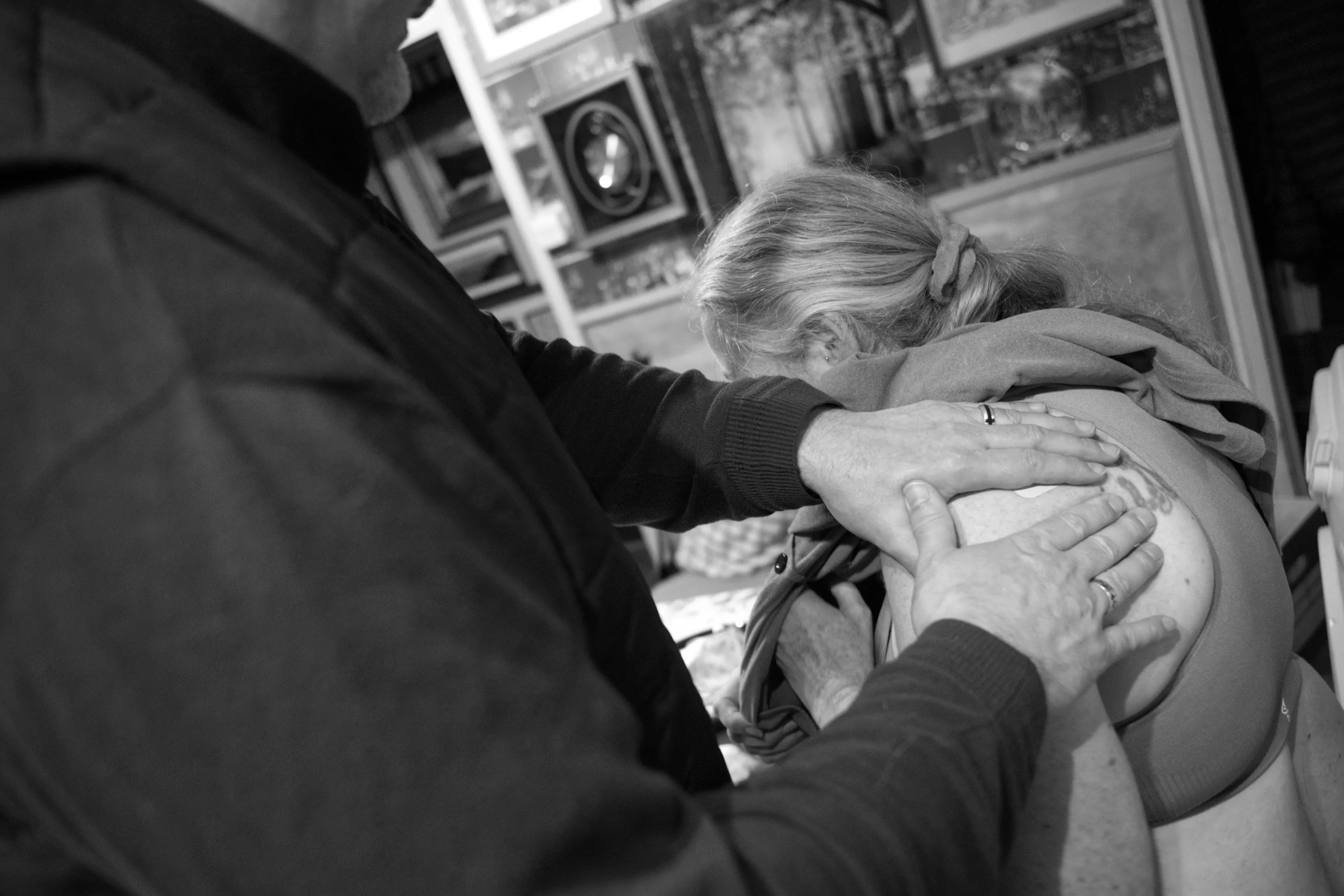
Her husband, Andy, was thrust into the role of carer. He knows that Fiona’s condition will worsen and that she will become increasingly dependant on him. Witnessing her distress also makes him feel anxious and depressed.
Parkinson’s disease results from neuron loss in the substantia nigra, a region of the midbrain that produces the neurotransmitting chemical dopamine. Fewer neurons produce less dopamine and this impedes the brain’s coordination and execution of motor functions. In turn, this affects movement, muscle control, and balance. It also results in changes in cognition, mood, behaviour, and thought. Anxiety and depression are common.
To compensate for her dopamine deficit, Fiona takes medication. For the two to four hours that a dose is active, she does not appear too different from a healthy person. When it suddenly wears off, she is incapacitated. Her complications include slurred speech, narcolepsy-like symptoms, and freezing, an involuntary inability to move, often mid-gait. She is frequently anxious of the next unpleasant experience and, increasingly, she is afraid of fear itself. This weighs on Andy’s mind too.
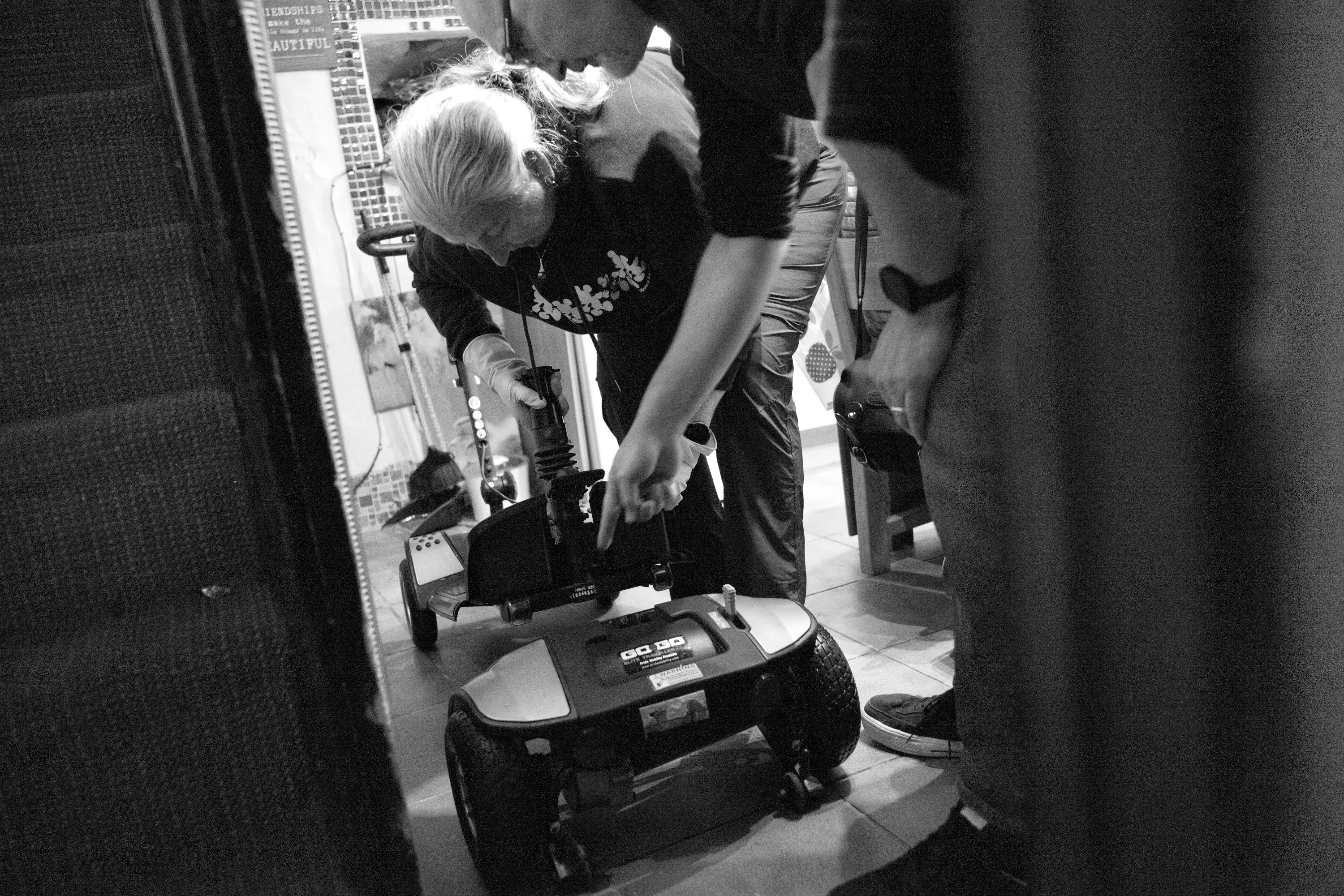
Dealing with the direct physiological and psychological impact of Fiona’s condition has been taxing. But the secondary effects are perhaps even harder to cope with. Although the termination of her employment was recorded as ‘voluntary redundancy’, she says she was forced to resign and made to sign a non-disclosure order. The ordeal left her traumatised.
Unemployed and unwell, Fiona was introduced to the benefits system. In principle, as someone in vulnerable economic circumstance, the government is committed to protecting her financial security. In practice, her experience suggests that the welfare system is systematically biased against those in need. Despite being diagnosed with a progressive neurological condition, Fiona has had to go as far as appearing in court to receive the financial support she is entitled to. Her diagnosis is incontestable and the symptoms of her disease have been known to medical science for more than two centuries. Yet, they have been persistently, and sometimes aggressively, questioned by administrators. She has found the process deeply degrading and painful.
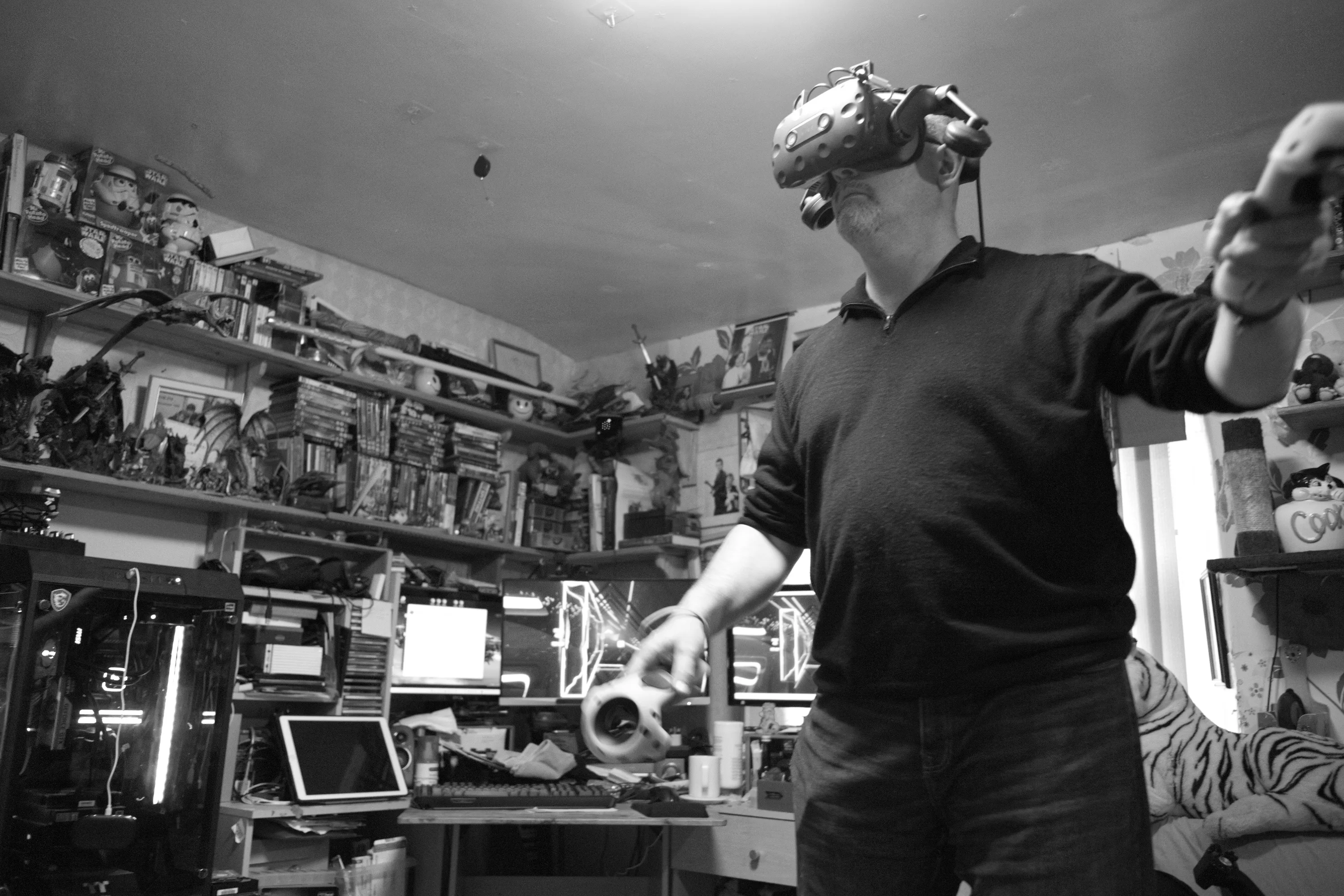
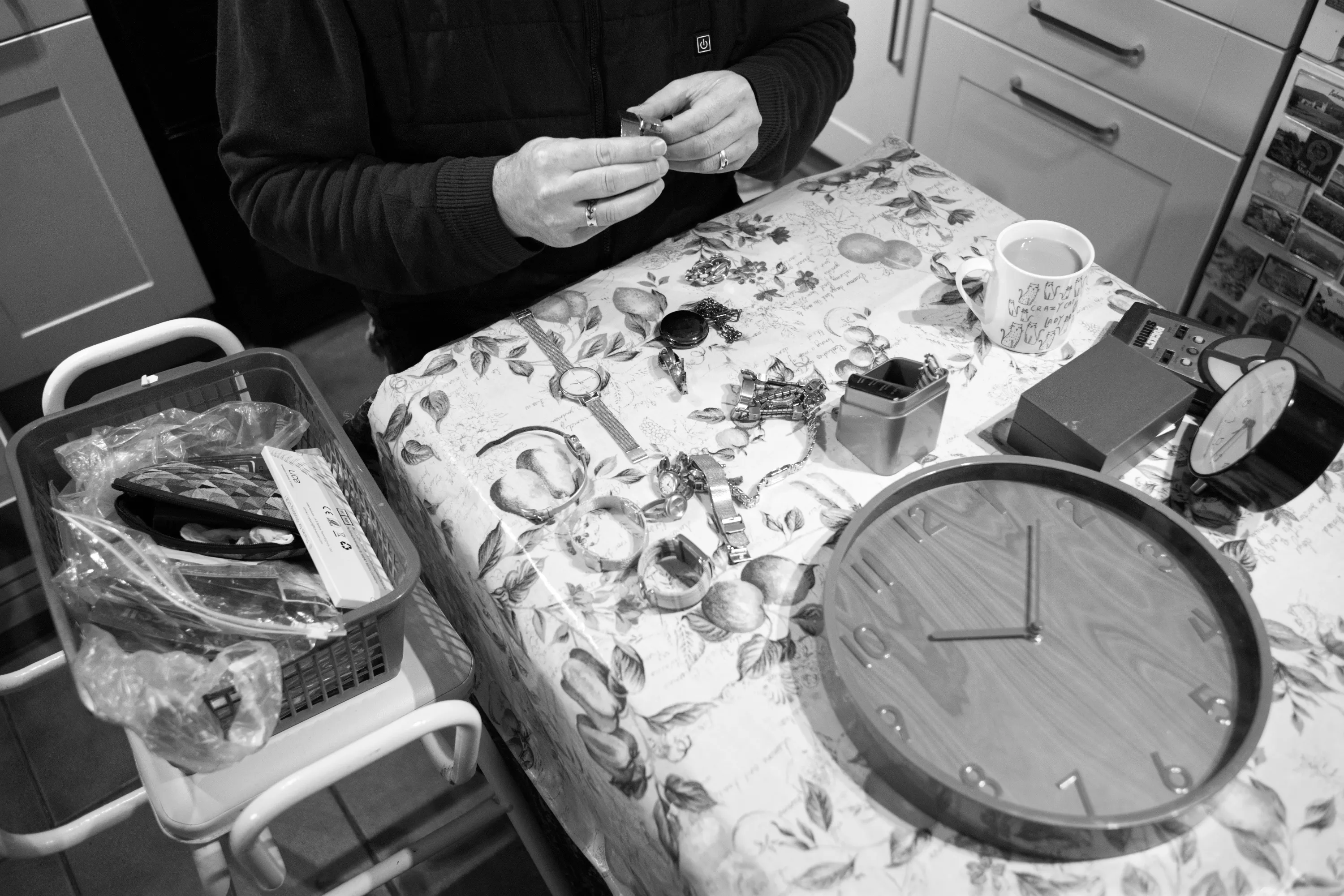
Fiona and Andy continue to struggle financially. Paradoxically, a realistic part-time position would make Andy ineligible for benefit support, but would pay too little to improve their situation. Employers also seem reluctant to help: in his last role he was refused reduced working hours to be at home more to provide care.
Fiona has received adequate specialist medical care although this often involves long waiting times and traveling to hospitals far from her home. Thankfully, Andy has been able to drive her: as a neurological patient, relying on public transport would have been very challenging for her. For a while, Fiona had access to a specialist nurse but, being responsible for hundreds of patients, she predictably experienced burnout and eventually resigned. After more than two years of intermittent and then no nursing support, a new nurse was recently appointed. At the time of writing, Fiona was looking forward to meeting her. Despite repeated requests for mental health support, neither Fiona nor Andy have received any.
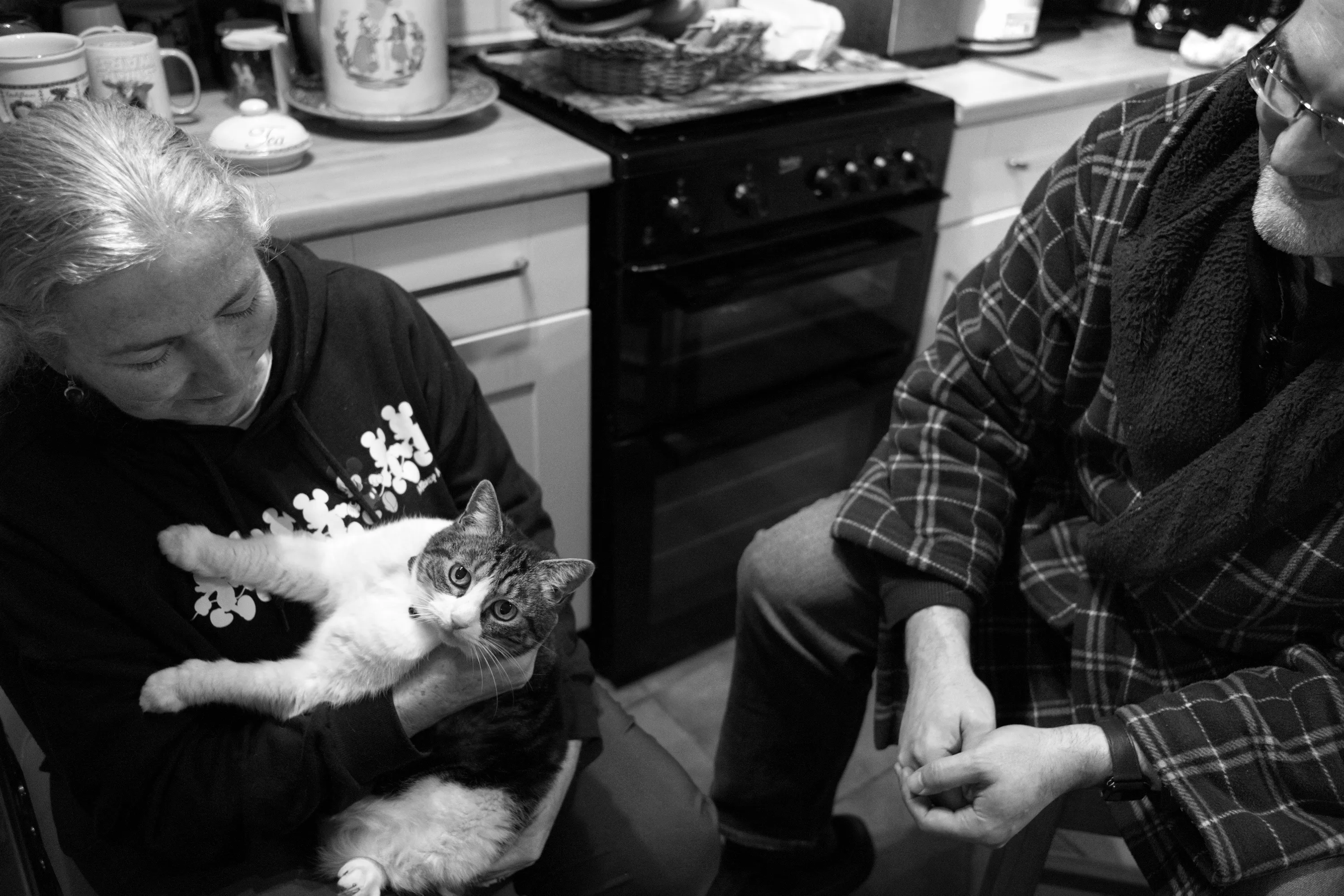
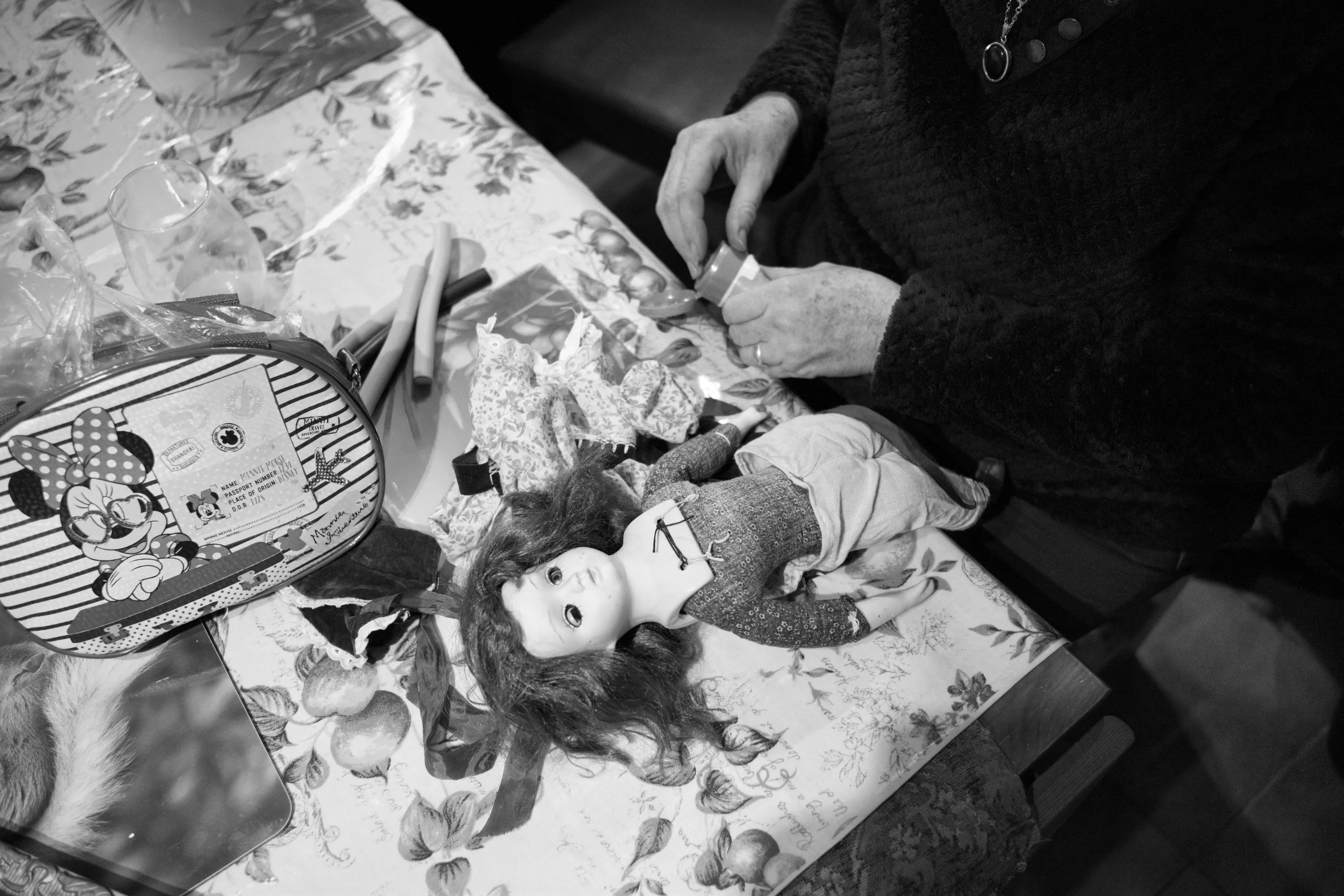
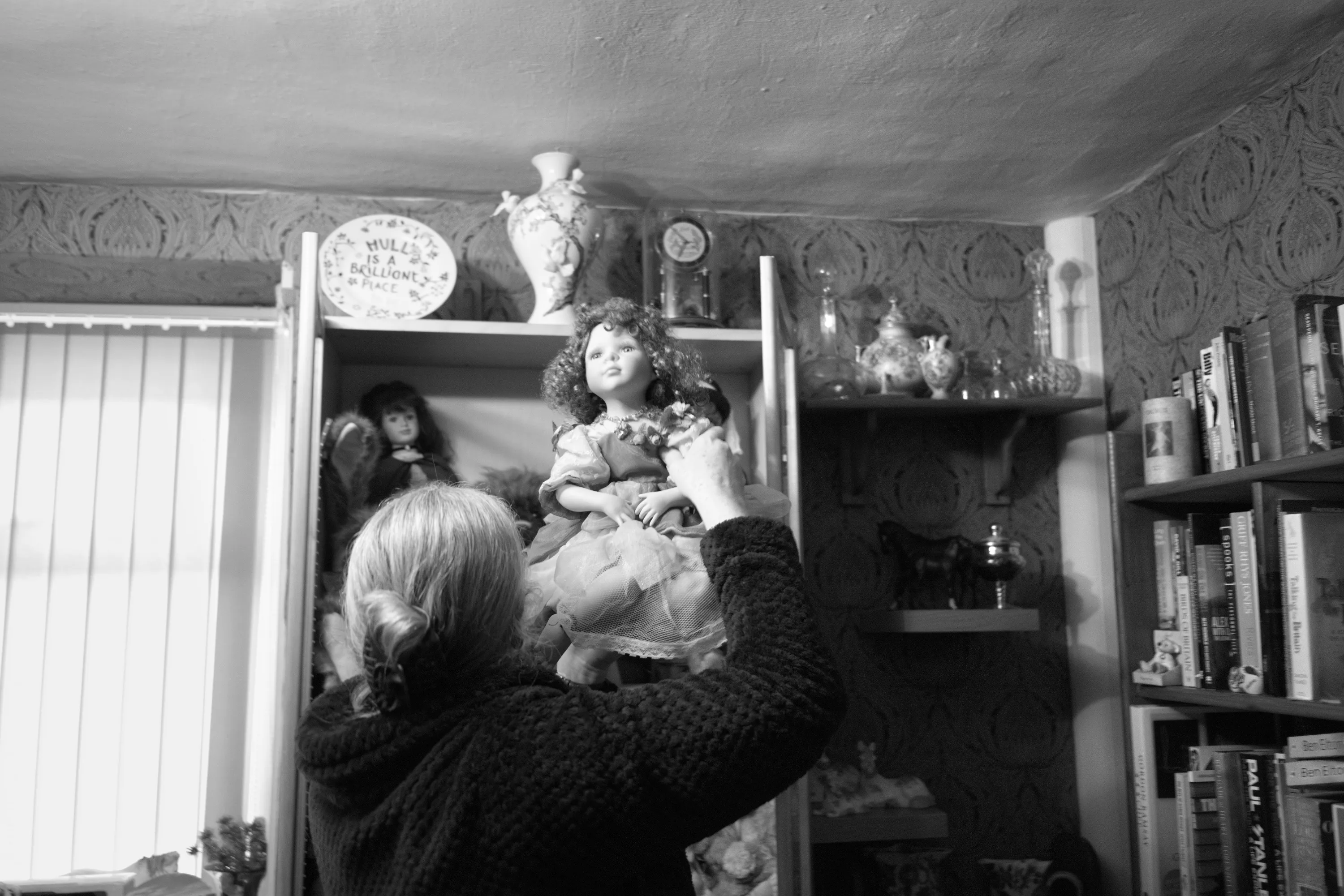
Fiona and Andy’s support unit is themselves. They revolve around each other like two moons around an invisible planet. The unseen gravity that locks their orbits is affection and devotion. That and the weight of the knowledge of what they have experienced together.
Despite the trepidation that their experience instills in me, I took many positives from my work with Andy and Fiona. Their commitment to each other is astounding and inspiring. The time that I spent with them was also uplifting in how they embodied authenticity, generosity, and honesty. This does not take away from their (and my) sense that in an affluent country, it is remarkable that they are facing poverty. Not only in terms of their dwindling financial resources, but also in the scarcity of financially viable employment options that take into account caring duties, and in the inadequacy of welfare support and healthcare provision that are structurally and operationally flawed.

Acknowledgements
This work was facilitated by Morecambe Bay Poverty Truth Commission.